A solar or battery installation involves two different kinds of work. The accredited installer is responsible for the system itself: the panels, the inverter, the battery and their design and mounting. The licensed electrician is responsible for the parts that connect that system to the home's electrical installation and to the grid safely. On some jobs one business does both; on many, the installer brings in an electrician for the connection work.
AB Electrical does not sell, design or supply solar or battery systems. What we do is the electrical side on the Central Coast: the switchboard, protection, dedicated circuits, isolators, backup wiring and, where the supply or meter changes, coordination of the Level 2 work. This guide explains what that involves so you know what to ask before signing a solar quote.
Who does what
The accredited installer designs and installs the generation and storage equipment. They size the array and battery, position the panels, mount the equipment and take responsibility for the system's performance and warranty. Their accreditation is separate from an electrical licence, and connection approvals and rebate paperwork usually run through them.
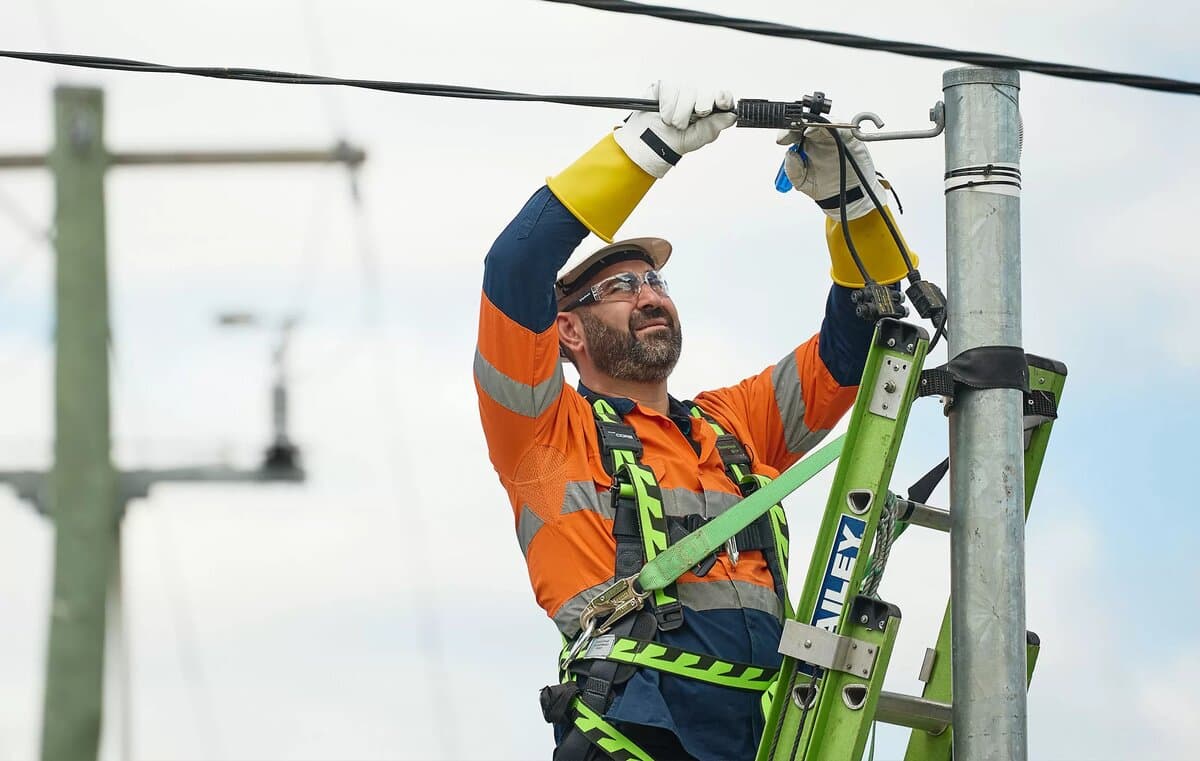
The licensed electrician does the fixed wiring work that connects the system to the house: the circuit from the inverter to the switchboard, the protection for that circuit, isolators, any changes the board needs to accept the new circuit, earthing and bonding, and testing the completed installation. In NSW this work needs an electrical licence regardless of who holds the solar accreditation.
What matters for the homeowner is knowing which business is responsible for which part, and that both parts finish with the right records.
Switchboard capacity and protection
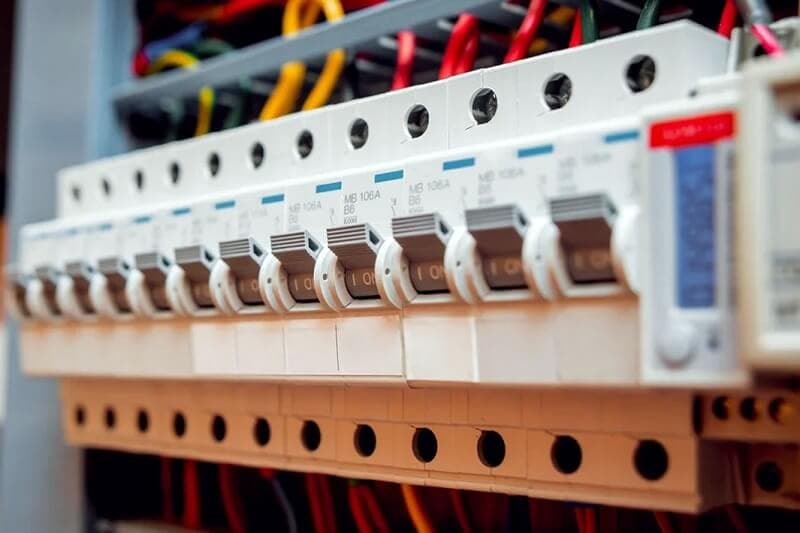
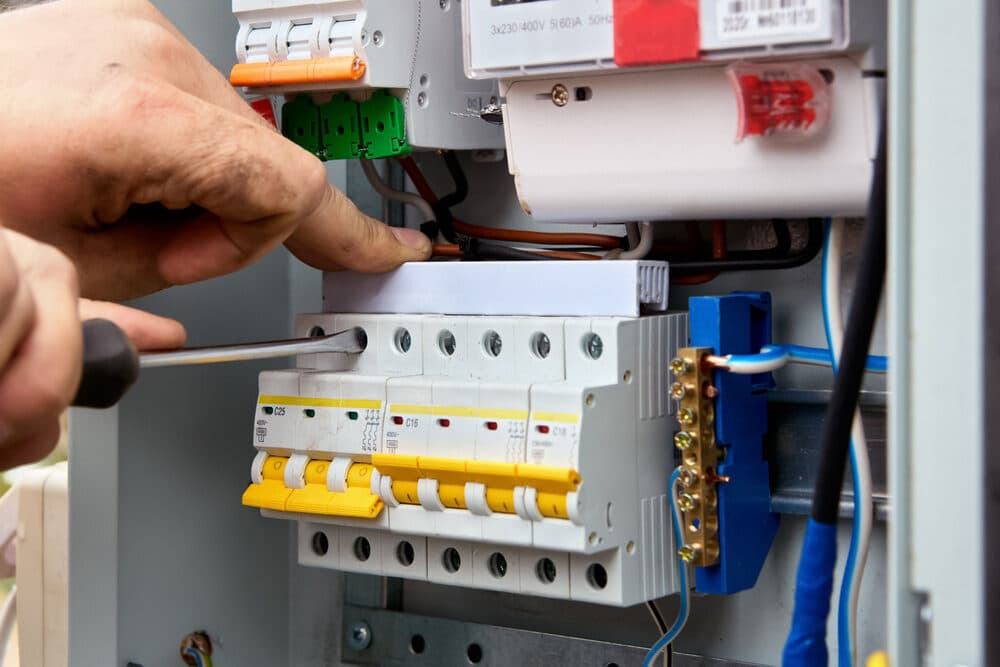
The switchboard is where most solar and battery jobs run into surprises. Before an inverter can be connected, the board needs:
- Physical space for the new circuit breaker and any changeover or backup devices.
- A main switch arrangement that can isolate the whole installation, including the solar supply, in the way the distributor requires.
- Protection sized for the inverter circuit and, where required, safety switch protection.
- Sound busbars, terminals and enclosure. An old board with ceramic fuses or a cracked enclosure is not a good place to land a new circuit.
If the board cannot take the new circuit as it is, the options range from adding a small sub-board to replacing the whole board. That is a decision to make before the panels go up, not on installation day; the switchboard page describes the work.
Dedicated circuits and isolators
An inverter is connected on its own dedicated circuit from the switchboard, protected by its own breaker and labelled at the board so anyone working on the installation later can see there is a second source of supply. Isolators are fitted so the inverter and the array can each be switched off safely: one near the inverter on the AC side, and the DC isolation arrangement the current rules call for on the array side.
A battery adds its own circuit and isolation. Where the battery and inverter are combined in one unit this is simpler; where a battery is added to an existing inverter, there is usually a second inverter or a DC coupling arrangement with its own protection.
Backup circuits for a battery
Many people buy a battery expecting the lights to stay on in a blackout. That only happens if the system is designed for backup and wired for it. A standard grid-connected inverter shuts down in a blackout to protect the network and the people working on it, so without a backup arrangement the house goes dark like every other house.
Backup involves choosing which circuits are essential, typically the fridge, some lighting, a few powerpoints and the modem, and moving those onto a backup sub-board or a section of the main board that the battery can supply when the grid is off. Large loads such as ovens, air conditioners and hot water are usually left off because they would drain the battery quickly. Deciding what goes on the backup is a conversation to have before quoting, because it affects how much work is needed at the board.
Consumer mains and metering
The consumer mains are the cables that bring supply from the street or the pole to the switchboard. In some jobs they need attention: the existing mains may be undersized, the point of attachment may need upgrading, or the distributor may require a change to the service line. Metering also changes: a solar system needs a meter that records energy exported as well as imported, and the retailer arranges that exchange through their metering provider.
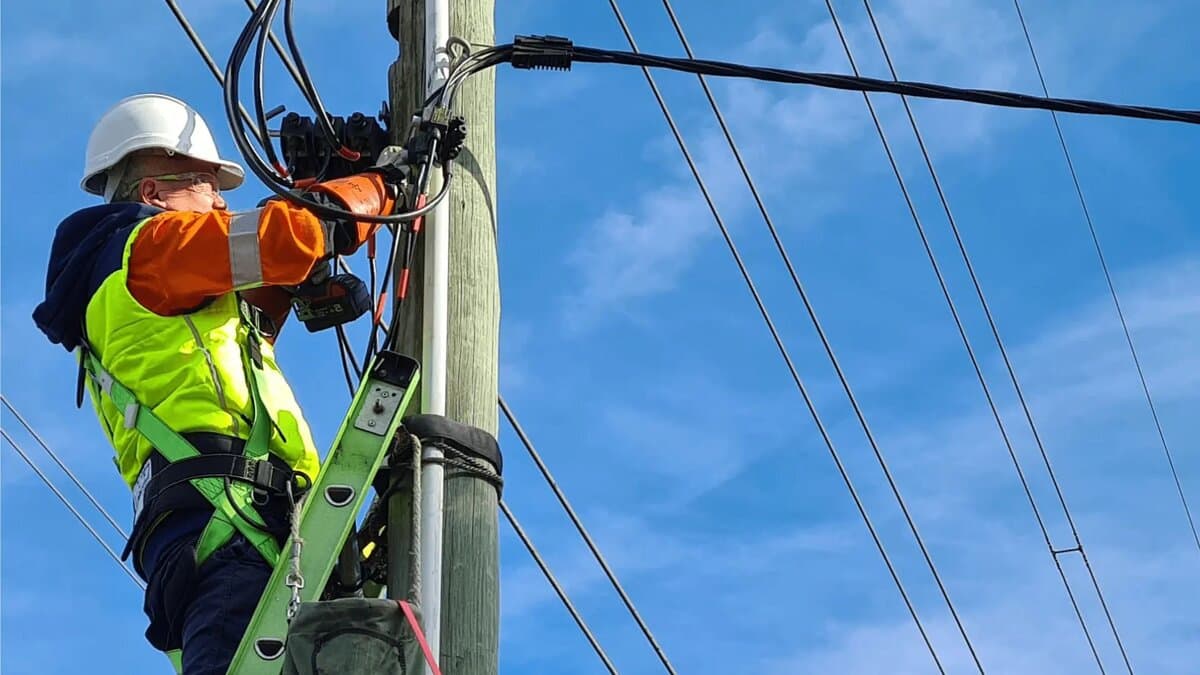
Work on the consumer mains, the service line and the metering equipment is Level 2 work. It can only be done by an electrician holding the distributor's Level 2 authorisation, which is separate from a standard electrical licence. AB Electrical carries out the Level 2 connection and metering work itself where the job requires it, and the Level 2 guide explains where that boundary falls.
Inspections and compliance records
When the electrical work is complete, the electrician tests the installation and issues the certificate of compliance for electrical work that NSW requires. The installer provides the system documentation, including the design, equipment list and warranties, and the distributor's connection paperwork is completed so the system can be switched on legally. Keep all of it together; if you sell the house or add to the system, those documents are what everyone will ask for.
AB Electrical provides the applicable electrical compliance records for the electrical work we complete. Ask the installer for theirs at the same time.
Adding a battery to an existing system
Retrofitting a battery is common, and the questions are the same as for a new install, with a few extras:
- Is the existing inverter battery-ready, or is a second inverter needed?
- Does the switchboard have room and protection for the battery circuit and any backup changeover?
- Was the original solar installation done properly, with records? An older system with no certificate of compliance is worth checking before more equipment is bolted to it.
- Where will the battery sit? Batteries have clearance and location requirements, and the electrical route to the board has to work from that spot.
- Do you want backup, and if so, which circuits?
Questions to ask before signing a solar quote
Before signing, ask:
- Who is doing the electrical connection work, and are they licensed in NSW?
- Is switchboard work included, or is it an extra if the board turns out to need it?
- Does the quote include Level 2 work if the consumer mains or metering need changing, and who arranges it?
- Is backup included, and which circuits will be on it?
- Who arranges the distributor connection approval and the meter exchange?
- What records will be provided at the end, from both the installer and the electrician?
- Who do I call if the system trips or the board has a fault after installation?
The licensed electrician guide explains how to check a licence, which applies to whoever is doing the connection.
Calling AB Electrical
If a solar or battery installation has caused a tripping board, a burning smell or any other fault, do not open the board or the inverter. For smoke or fire, leave and call 000; otherwise call 0405 343 343 from a safe place. For planned electrical work alongside a solar or battery installation, send an enquiry with the suburb, the installer's name if you have one, the age of the switchboard if you know it, and whether you want backup circuits.