Consumer mains are the cables running from an electrical installation's point of supply to its main switchboard. Their condition and capacity matter when a property adds substantial electrical load or existing cables need repair.
If you have been told yours need upgrading, the useful questions are: what has the assessment found, which parts need changing, what connection work is required and how will the power interruption be managed?
AB Electrical provides Level 2 and supply-related electrical work on the Central Coast, with the required scope and coordination confirmed for the address.
What consumer mains are
An installation can include:
- Network service equipment connecting the property to the distributor's system.
- Consumer mains between the installation's point of supply and main switchboard.
- Final circuits and other installation wiring supplying lights, outlets and appliances.
The meter is not a reliable dividing line between network and privately owned equipment. Private poles and cables can also sit between the network connection and the meter. Ausgrid explains responsibilities for private poles and powerlines (opens in new tab).
An electrician identifies the actual cable arrangement and the work required. Network connection work needs the relevant provider accreditation and worker authorisation; do not assume every cable before a meter is the same type of work.
When an upgrade may be needed
More load than the existing supply can support
Air conditioning, electric cooking, a pool or other large loads may require a capacity assessment. Cable size alone is not enough to decide: installation method, length, protection and calculated demand also matter.
A tripping protective device can have several causes. It does not, by itself, prove the consumer mains are too small.
Give the electrician the proposed equipment requirements as well as a list of what is already installed. The assessment should distinguish work on the incoming supply from new appliance circuits and switchboard changes. They may be needed together, but they solve different parts of the job.
Adding solar panels
The installer checks the proposed system against the existing electrical installation and connection requirements. Cable capacity and voltage rise can affect the design. An upgrade may be needed, but is not automatic for every solar installation.
Adding high-load equipment
A pool heater, a large air conditioner or workshop machinery is assessed alongside the property's other loads. Supply capacity, the equipment's settings and load-management options can all affect the answer.
A switchboard upgrade reveals a problem
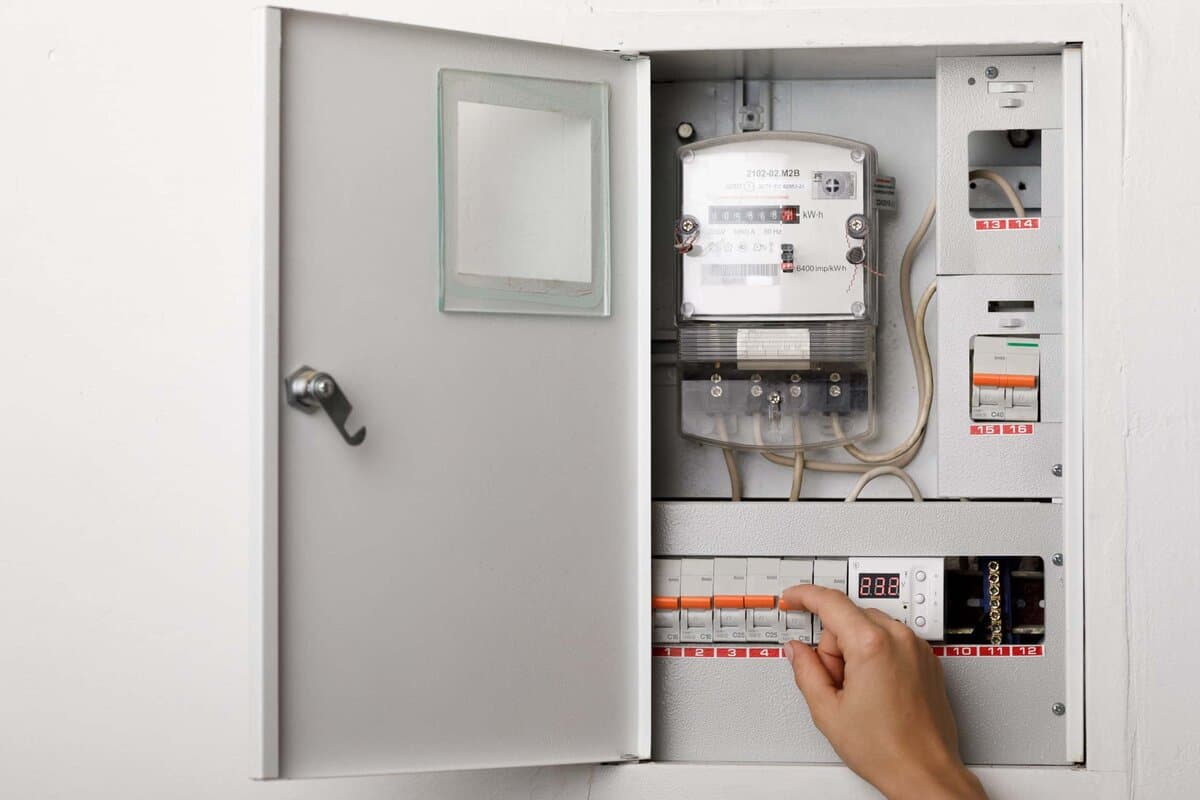
Switchboard work may reveal damaged or unsuitable consumer mains. The electrician needs to assess those findings before proceeding.
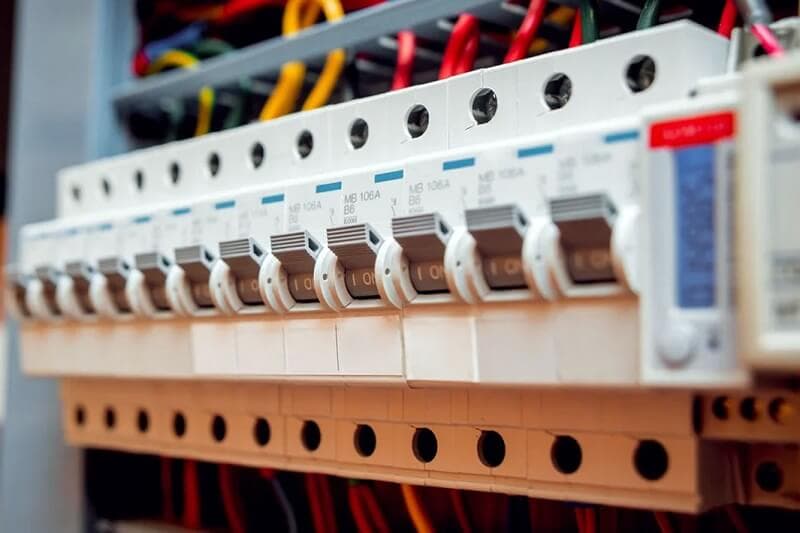
A new switchboard does not inherently allow unsafe additional current through an existing cable. Protection and supply capacity must be selected together.
A distributor defect notice
Send the notice with your enquiry. The required repair, authorisations and deadline depend on what the notice identifies; a generic description of “supply work” is not enough to scope it.
A renovation or extension
An extension, granny flat or changed use of a building may need a supply assessment. Checking early helps keep any connection work within the build schedule.
Overhead and underground arrangements
The route from the network to the main switchboard may include overhead or underground sections. Those sections are not all necessarily consumer mains; the installation determines the boundary.
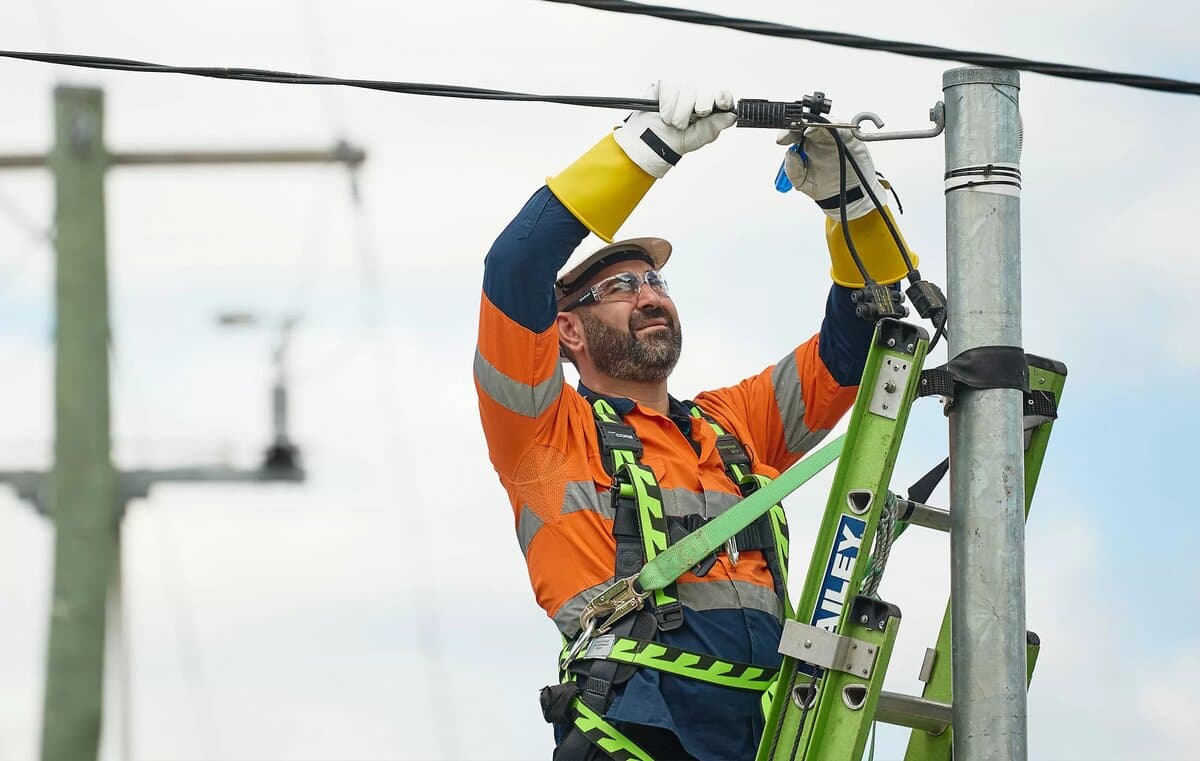
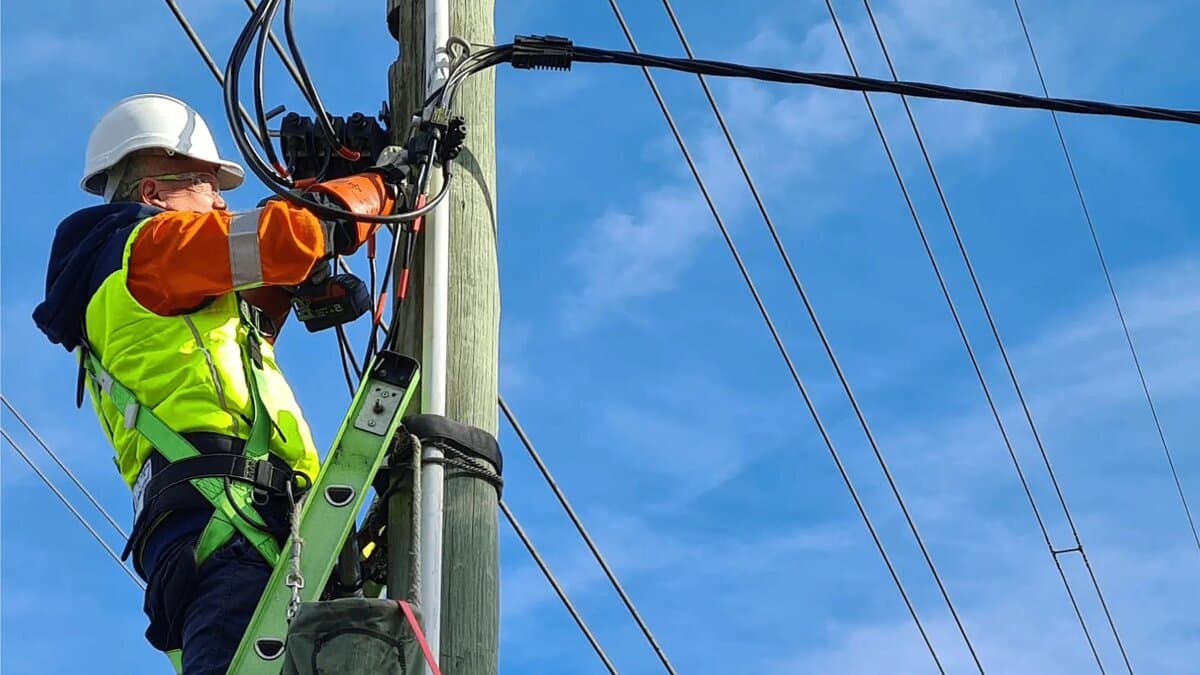
An overhead arrangement can involve access at height, poles, attachment points and cable clearance. An underground arrangement can involve excavation, cable routes, existing services and reinstatement of paving or landscaping.
For early budgeting, guide ranges of $1,200–$2,800 for an overhead arrangement and $2,500–$5,500 for an underground arrangement indicate how scope can differ. They are not AB Electrical quotes or fixed prices.
If you want to change from overhead to underground supply, ask for the connection work, excavation and reinstatement to be set out separately. Whether a private pole can be removed depends on the finished arrangement.
How long the power is off
The electrician confirms an expected isolation window after assessing the work. Cable length, excavation, connection requirements and any switchboard or metering changes all affect the duration.
Explain any refrigeration, access, working-from-home or medical-equipment needs when arranging the job. If someone relies on life-support equipment, follow their emergency plan and make arrangements before the interruption; an indicative work duration is not a backup-power plan.
What the process looks like
- Site assessment — identify the cables, their condition and the proposed electrical demand.
- Written quote for planned work — explain the scope, price and any separate charges.
- Coordination — confirm distributor requirements and any retailer or metering-provider involvement.
- Scheduled work — isolate as required and complete the agreed cable and connection work.
- Testing and records — test the work and provide the applicable documentation.
- Reconnection — restore supply once the necessary checks are complete.
Typical planned Level 2 jobs take 1–3 weeks from confirmed scope to reconnection. Approvals, access and retailer/distributor scheduling may extend that timeframe.
What it costs on the Central Coast
These indicative ranges illustrate different scopes; they are not an AB Electrical price schedule. AB Electrical quotes the actual job after assessment:
| Scenario | Indicative range |
|---|---|
| Consumer mains upgrade — overhead arrangement | $1,200–$2,800 |
| Consumer mains upgrade — underground arrangement | $2,500–$5,500 |
| Consumer mains and switchboard work combined | $3,000–$6,500 |
| Supply changes for solar or high-load equipment | $800–$2,200 |
| Overhead to underground conversion | $3,500–$7,000 |
Ask which cable work, connection charges, metering, excavation, reinstatement and documentation are included. The guide does not guarantee those inclusions or a saving from combining jobs.
What to do next
Contact AB Electrical with the suburb, reason for the proposed upgrade and any existing electrician's findings or distributor notice. Photos are useful only if they can be taken without approaching cables, opening covers or entering unsafe areas.
AB Electrical can assess the existing supply against your planned loads and explain the consumer-mains and Level 2 work required. If the cable route or meter position is changing with a renovation, share the plans before the building work closes off access.
For a damaged or exposed cable, heat or a burning smell at the board, call 0405 343 343 from a safe place after reporting any network hazard to the distributor. For a planned upgrade, send an enquiry with the details above; planned work is quoted in writing once the scope is understood and the same electrician handles the job from the first call to completion.