Water and electricity sit close together around a pool or spa. The pump, the chlorinator, a heater, underwater lights and the outlets that run them are within a few metres of people who are wet, barefoot and holding metal rails. The rules for electrical equipment near pools are strict for that reason, and a fault that would be a nuisance elsewhere can be dangerous at the pool.
This guide explains what those rules are trying to achieve, the warning signs of a fault and what a pool electrical check involves. It applies to in-ground and above-ground pools, spas and swim spas alike.
The equipment around a pool
A typical backyard pool has more electrical equipment than people expect: the pump, which runs for hours a day; the chlorinator, which draws power while the pump runs; a heater, which can be the largest load in the house; underwater and garden lighting; controllers and timers; and on spas, a blower and jets. Most of it lives in a pump enclosure, which is where problems tend to start: sun, salt, splashing and chlorine vapour attack terminals and cables over time.
Wet-area zones
Electrical rules divide the space around a pool or spa into zones based on distance from the water's edge and height above it. In the innermost zones only equipment designed for that location is permitted, and general-purpose powerpoints and switches are not allowed at all. Further out, outlets and equipment are permitted with particular protection and enclosure ratings. Beyond the outer zone, normal rules apply.
The practical effect is that where a powerpoint, a light, a pump or a heater can go is not a matter of convenience. An outlet added to a fence post beside the pool, or a garden light moved closer to the edge, may sit inside a zone where it is not permitted. When planning a new pool, a spa on a deck or a landscaping change, ask the electrician to confirm the zones before positions are fixed.
Equipotential bonding
Bonding is the part of pool electrical work that people never see. Metal parts in and around the pool, such as ladders, handrails, the reinforcing in a concrete shell, nearby metal fences and the metal parts of pumps and heaters, are connected together with a bonding conductor and joined to the installation's earthing system. The aim is that every metal item a wet person can touch is at the same electrical potential, so a fault cannot create a voltage between two things a person is touching at once.
Bonding is usually done during construction and is invisible afterwards. When it has been missed, damaged by later work or corroded, the first sign can be a tingle from a ladder or handrail. Older pools, pools that have had renovations or new fencing, and above-ground pools with metal frames are where bonding most often needs checking.
Safety switches on pool circuits
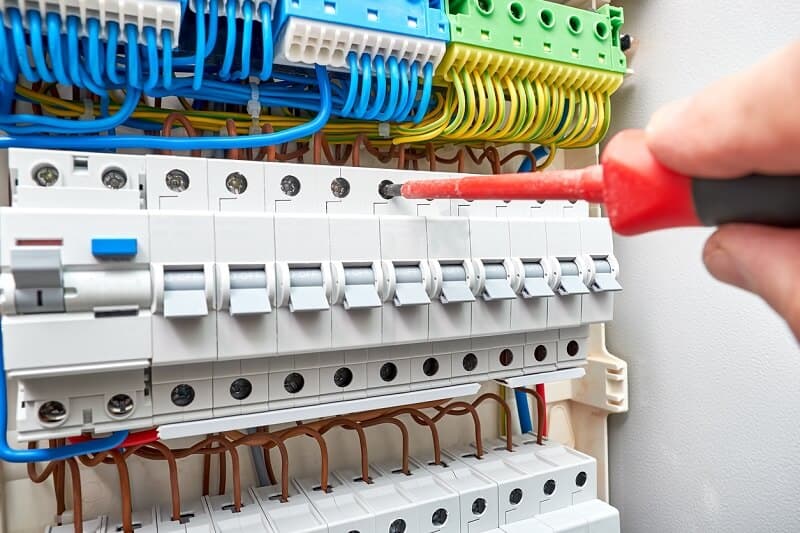
Every circuit supplying pool or spa equipment should be protected by a safety switch, or residual current device, which cuts the supply quickly if current leaks to earth. Pool equipment is outdoors, wet and often decades old, which is exactly where that protection earns its place. If your switchboard predates safety switches, or the pool circuits were added without them, that is a clear reason for an assessment; the switchboard page describes what an upgrade involves.
A safety switch that trips repeatedly is telling you something. Do not keep resetting it. The safety switch guide explains what repeated tripping usually means.
Underwater and garden lighting
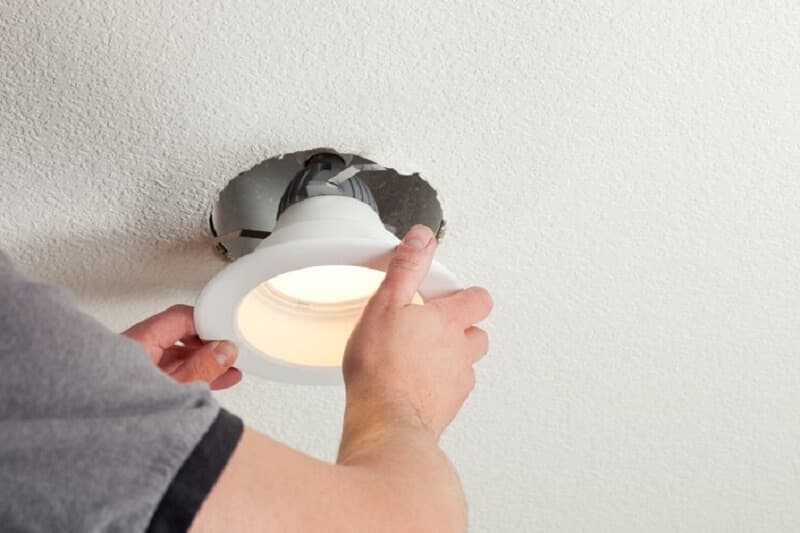
Underwater lights are either extra-low-voltage, supplied through a transformer located outside the zones, or a sealed mains fitting specifically designed and installed for the purpose. Extra-low-voltage is the usual choice for new work. The transformer's location, the cable route out of the water and the junction where it joins the mains all matter, and a light replaced with the wrong type or connected at the wrong point is a common fault.
Garden lighting near the pool falls under the same zoning. Path lights and feature lighting that were fine in a garden bed can become a problem when a pool is built next to them. Ask for the lighting around a new pool to be reviewed as part of the pool electrical work.
Dedicated circuits for pumps and heaters
A pool pump should be on its own circuit, and a heater almost always needs its own dedicated circuit sized for its load. Sharing a pool pump with garden powerpoints is a common shortcut in older installations, and it leads to nuisance tripping and warm cables. When a heater is added to an existing pool, the switchboard's capacity and the route for a new circuit are the first questions.
Equipment in the pump enclosure should be connected through an isolating switch so it can be turned off safely for servicing. A pool technician can service the pump and chlorinator; they cannot legally do the fixed wiring.
Signs of a fault
Take any of the following seriously:
- A tingle or shock from a ladder, handrail, tap, the water itself or any metal fitting near the pool. Get everyone out of and away from the water. Report it to the electricity distributor immediately; for Ausgrid, call 13 13 88. A tingle from metalwork can indicate a fault in the street supply as much as in the pool.
- A safety switch or breaker that trips when the pump or heater starts, or trips repeatedly.
- Corrosion on the pump, terminal box, light fittings or the enclosure.
- Flickering or dead underwater lights, or water visible inside a light lens.
- Burning smells, discoloured cable or a warm enclosure. For smoke or fire, leave and call 000.
- A pump that hums but does not start, which can be a supply fault.
Do not open the pump enclosure, the light fitting or the switchboard to investigate. Note what happened, keep people clear and call.
Storms and flooding
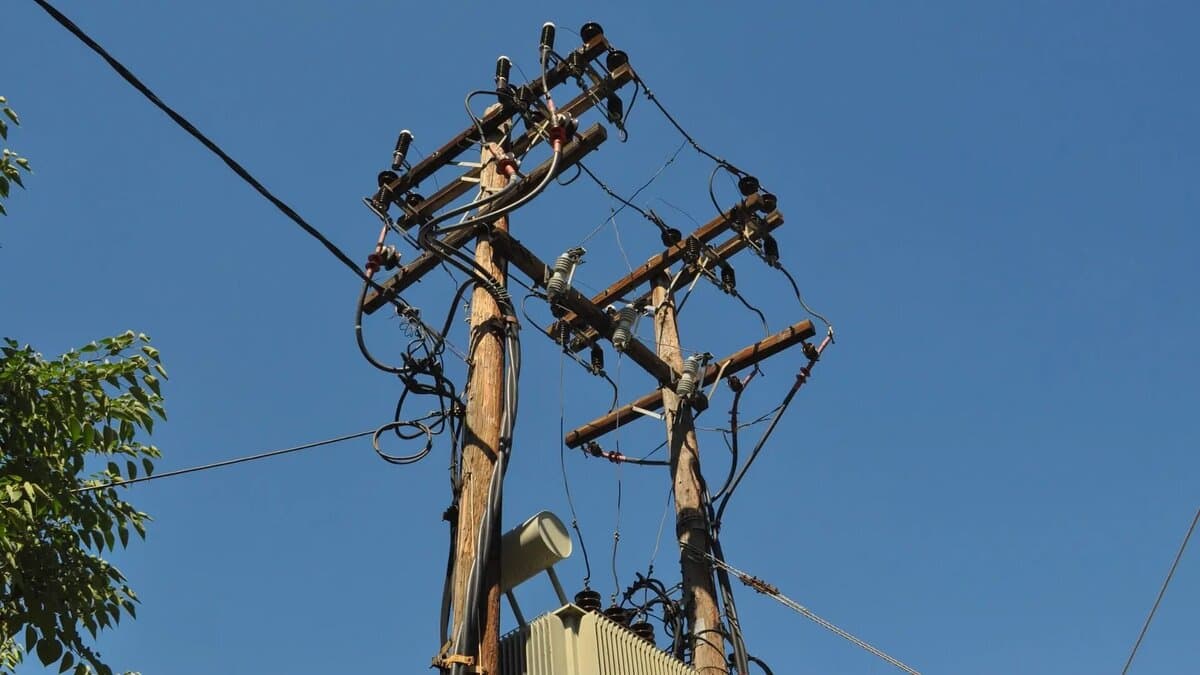
After a storm, look at the pool area from a safe distance before using it. If the pump enclosure, timer box or any outlet has been under water, do not switch anything on and do not use the pool until it has been checked; water inside an enclosure can leave a fault that only shows when power is restored. If overhead lines have come down anywhere near the yard, stay well away and call the distributor.
What a pool electrical check involves
A pool electrical check with AB Electrical usually covers:
- The switchboard: protection for the pool circuits, safety switch operation and labelling.
- The pump enclosure: cable condition, terminations, isolating switch and enclosure integrity.
- Bonding: confirming the metal parts are bonded and the bonding conductor is continuous.
- Lighting: fitting type, transformer location, cable route and condition.
- Outlets and switches around the pool: whether they sit in a permitted zone and have the right protection and enclosure.
- Earth and insulation testing of the pool circuits.
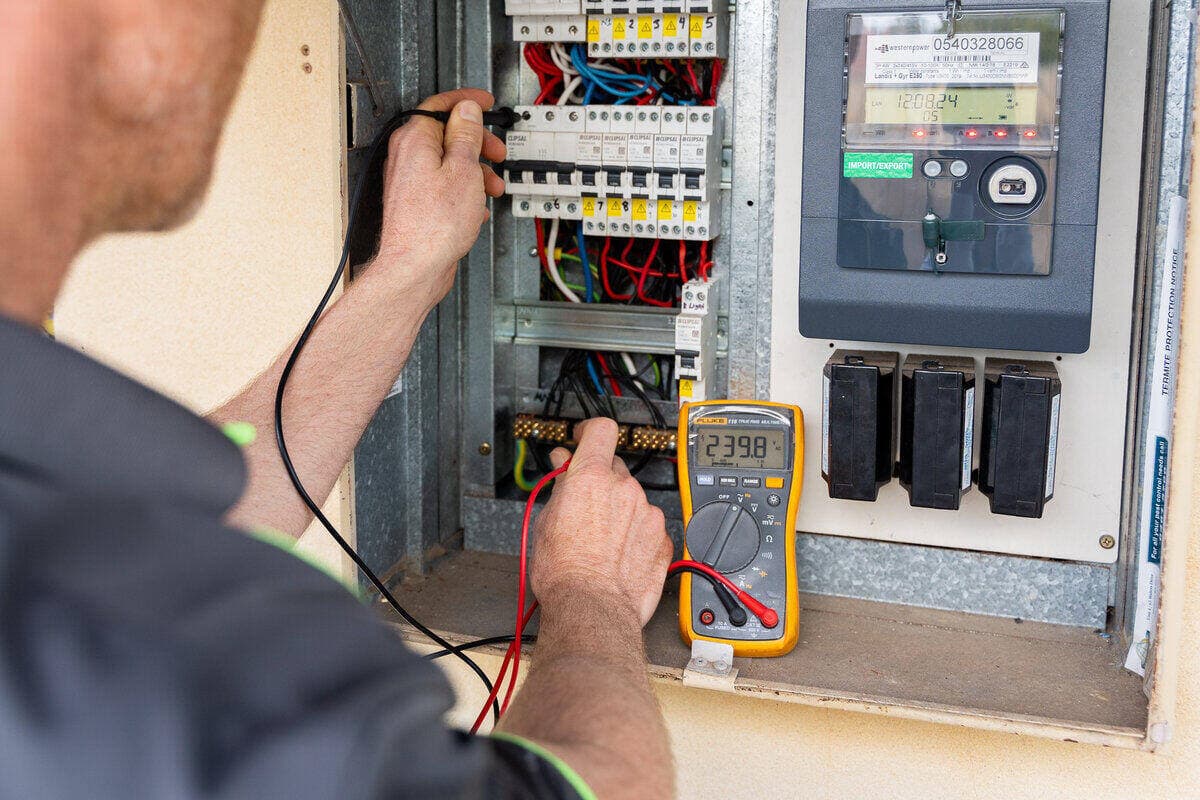
The findings are explained in plain terms, any work needed is quoted in writing once the scope is clear, and the applicable electrical compliance records are provided for work completed. For outdoor power and the rest of the property, see the residential electrician page.
Calling AB Electrical
For a tingle, shock, tripping or any other sign of a fault around a pool or spa, keep everyone away from the water, report any shock to the distributor, then call 0405 343 343 from a safe place. For a planned pool electrical check, a new pump or heater circuit, or lighting around a new pool, send an enquiry with the suburb, the type of pool or spa, its approximate age and the equipment installed.