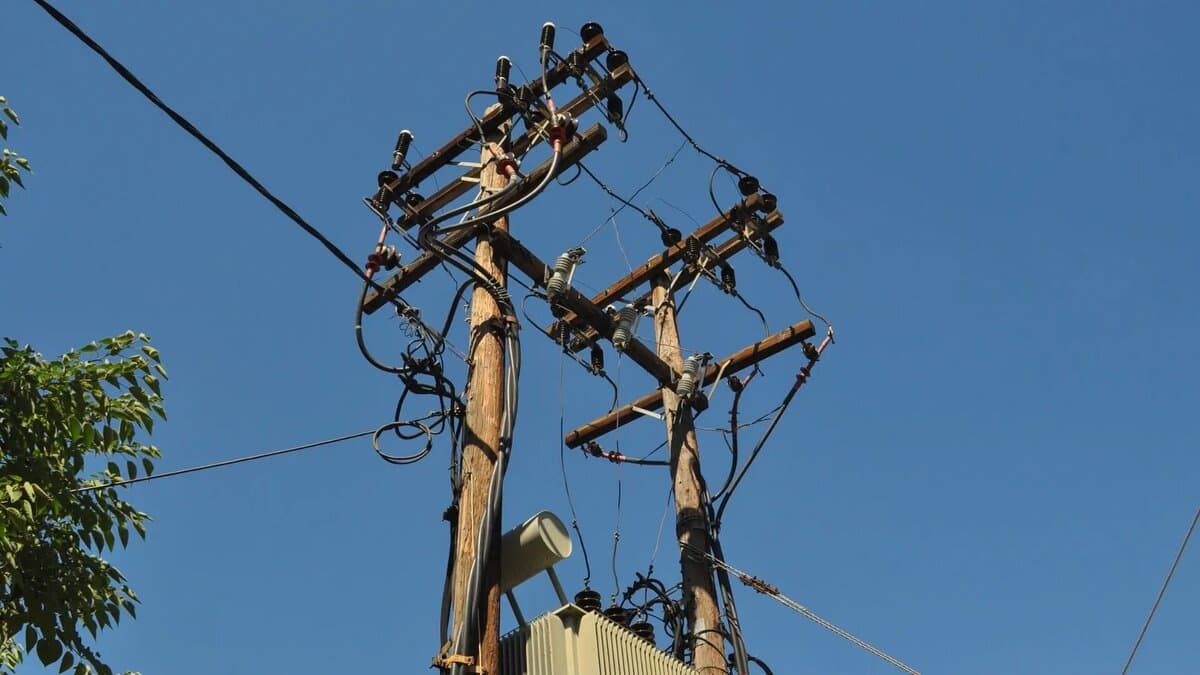
Storm damage can affect the electricity network, the property's incoming supply and equipment inside the building. Restoring power is only part of the job: damaged or water-affected electrical equipment also needs assessment before reuse.
Fallen wires or a damaged connection
Stay at least eight metres away from fallen powerlines and anything touching them, including fences, trees and vehicles. Do not try to move a wire, branch or other object away.
For fire or immediate danger, call 000. Report the hazard to your electricity distributor; for Ausgrid, call 13 13 88. Keep others away and follow the distributor's instructions. See Ausgrid's emergency guidance (opens in new tab).
Turning off a main switch does not make incoming supply wires safe.
Shocks or tingles from taps, appliances or fittings
Report any shock or tingle to your electricity distributor immediately; for Ausgrid, call 13 13 88. Keep people away and do not touch or retest it. Do not wait for an electrician to arrive. Follow Ausgrid's shocks and tingles guidance (opens in new tab).
Seek medical assessment after an electric shock, even if it seemed mild. Call 000 for a medical emergency. See Healthdirect's electric-shock advice (opens in new tab).
Water near electrical equipment
Do not enter a flooded area or touch wet outlets, appliances or switchboards. Do not approach a wet board to turn it off. Water-damaged equipment should not be switched on simply because its outside looks dry.
If a roof leak or flooding has reached electrical equipment, explain that when arranging help. The electrician needs to assess the affected installation and identify what can be repaired, replaced or tested before reconnection.
A damaged private pole, meter or service line
The meter is not a reliable ownership boundary. Responsibility depends on the equipment and connection arrangement. A damaged private pole or property-side supply component may require an appropriately authorised Level 2 electrician, while the distributor controls its network and restoration process.
AB Electrical can assess the requested Level 2 supply work and its coordination. Do not assume an ordinary repair booking includes network access or permission to reconnect.
Tripping circuits after rain
Moisture is one possible cause of tripping, not a diagnosis. Leave a repeatedly tripping circuit off. Do not reset equipment affected by water or damage and do not reconnect appliances to recreate the fault. A switch staying on does not establish that water-affected wiring is safe.
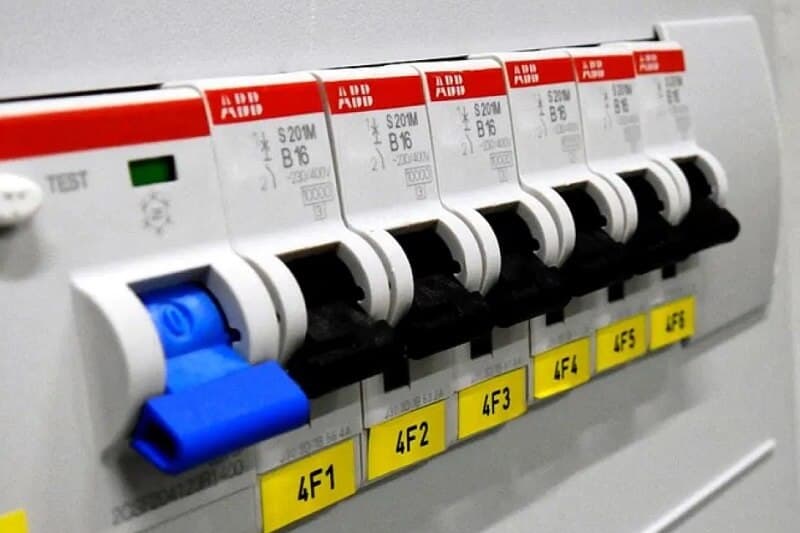
Useful information includes what lost power, when it happened and visible damage seen from a safe place. See the safety-switch guide for the distinction between earth leakage and overload protection.
Power is out but there is no visible damage
Check the distributor's outage information and whether only part of the property is affected. Nearby homes having power does not rule out a network issue.
Our power-outage guide explains safe observations and the difference between network restoration and an electrician investigating the property.
What happens during a storm-damage callout?
The first priority is the immediate electrical hazard. Work may involve isolating damaged equipment, testing affected circuits, carrying out repairs where possible and explaining what must remain disconnected.
Some jobs require replacement parts, access work, another trade or distributor coordination before supply can be restored. Initial safety work and the permanent repair may need separate visits. Advice over the phone cannot certify the installation as safe.
Photos and insurance records
Do not approach damage to take a photo. Images taken later from a safe position may help explain the affected equipment. Keep any electrician's report, agreed scope and invoices for your records.
Your insurer decides what the policy covers. An electrical assessment does not guarantee an insurance claim or authorise work on the insurer's behalf.
When it is urgent and when it can wait
Fallen wires, a damaged service connection, shocks or tingles, water in contact with live equipment, smoke and burning smells are immediate hazards. Keep clear, report them as described above and call for property repairs from a safe place; emergency enquiries are open 24/7.
Once the immediate hazards have been made safe, some work can be planned. A circuit that has been isolated and left off, water-affected equipment that has been disconnected and is not needed straight away, and cosmetic damage to fittings with no electrical symptoms can be assessed on a scheduled visit. Do not switch anything back on to test whether it can wait.
Common misunderstandings
Power is back, so the storm damage is fixed. Network restoration reconnects the supply. It does not assess equipment inside the property that was wet, struck or overheated during the storm.
If it has dried out, it is safe. Water leaves residue and corrosion inside equipment and can remain inside enclosures and fittings after the surfaces look dry. Water-affected electrical equipment needs assessment before reuse.
The distributor will repair everything up to the house. The distributor restores its network. Damage to a private pole, a private overhead line or the property's own supply equipment is the owner's responsibility and is generally Level 2 work.
The insurer's assessor decides what is electrically safe. The insurer decides what the policy covers. Whether equipment is safe to reconnect is an electrical assessment, and the two are separate processes.
Getting help
After reporting shocks, tingles or network hazards to the distributor, you can arrange help with storm-damaged property wiring or equipment. Call from a safe place and explain the hazards and any advice already received. AB Electrical confirms attendance and the ETA on the call.
Do not wait for a contact-form response where there is an immediate hazard. Report network dangers and call 000 for fire or immediate danger before arranging property repairs.
For storm damage with an ongoing hazard, call 0405 343 343 from a safe place. For follow-up repairs once the property is safe, send an enquiry with the suburb, a short description of the damage and what has been isolated, and photos only if they can be taken from a safe position without approaching wet or damaged equipment.