Many Central Coast homes heat their water on a controlled-load tariff, often still called off-peak. The arrangement is simple in principle and confusing in practice, because the heater is deliberately without power for much of the day. When the hot water runs out, it is not always clear whether something has failed or whether the system is simply waiting for its next heating period.
This guide explains how controlled load works, what can go wrong on the electrical side, and what to note safely before calling.
What controlled load means
A controlled load is a separate circuit that the electricity distributor switches on only for set periods, usually overnight and sometimes for a shorter top-up during the day. In return, the electricity used on that circuit is billed by your retailer at a lower tariff. On the Central Coast the switching is done by Ausgrid through the meter, using a network signal or the meter's internal schedule.
There are typically two controlled-load options: a limited number of hours overnight, or longer periods including some daytime hours at a somewhat higher rate. Your retailer's bill shows which applies.
Why storage systems suit it
Controlled load only works for an appliance that can do its job during the supply window and then coast until the next one. An electric storage hot-water system does exactly that: it heats a tank overnight and the insulated tank holds the water at temperature through the day.
Instantaneous electric heaters, and any appliance that needs power on demand, cannot run on a controlled-load circuit, so a change of system type also means a conversation about tariffs.
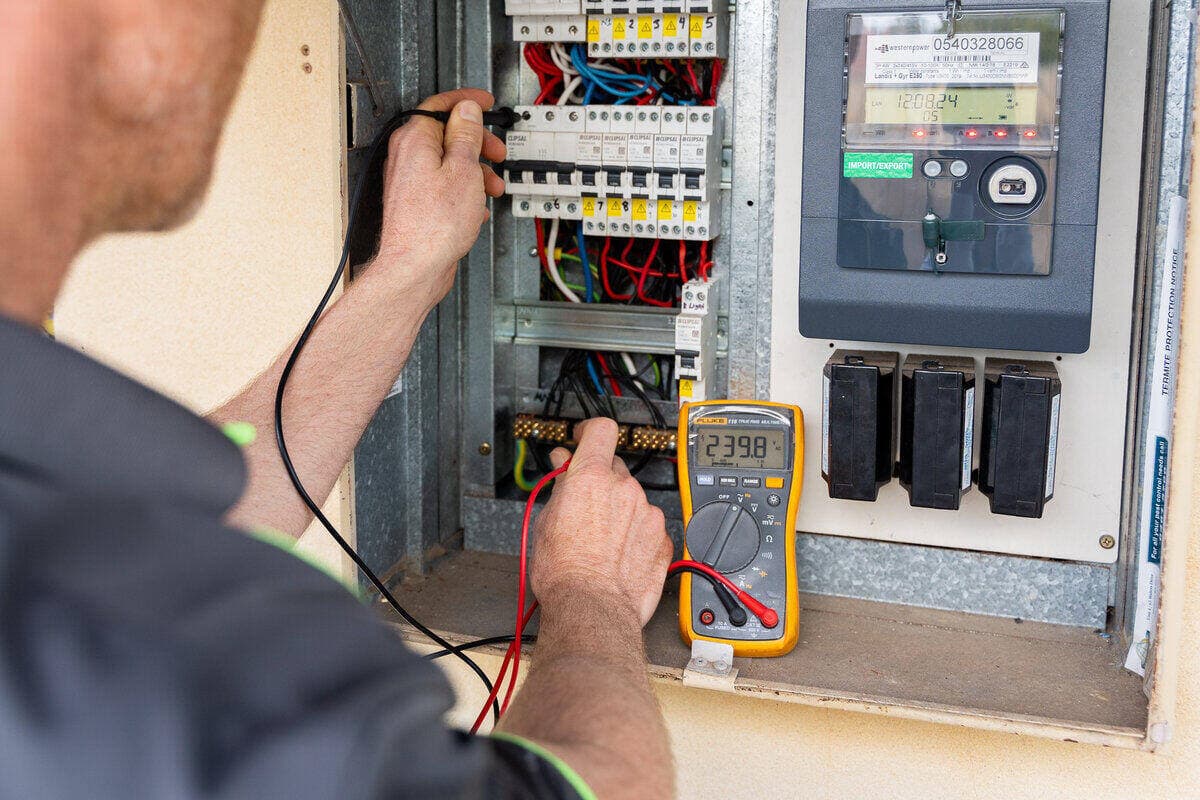
The controlled-load circuit and relay or time switch
The hot-water circuit does not come from the ordinary power circuits in your switchboard. It is wired to a separate controlled-load element in the metering arrangement, and it passes through a switching device before reaching the tank. Depending on the age of the installation this may be:
- A relay in the meter, operated by the distributor's signal or schedule.
- A contactor in the switchboard that is switched by the meter.
- An older time switch or ripple-control receiver.
The circuit has its own circuit breaker or fuse, usually labelled hot water or HWS, and normally an isolating switch near the tank. All of this sits inside enclosures that must not be opened. The label on the outside is the only part meant for you.
When a unit stops heating on schedule
If the tank is not heating, several parts of the arrangement could be involved, and they are not all inside the heater:
- Tariff wiring. The heater may be on the wrong circuit, or the controlled-load circuit may not be receiving supply.
- The relay or contactor. The switching device can fail open, so the circuit is never energised, or fail closed, so the heater runs at all hours and the bill rises.
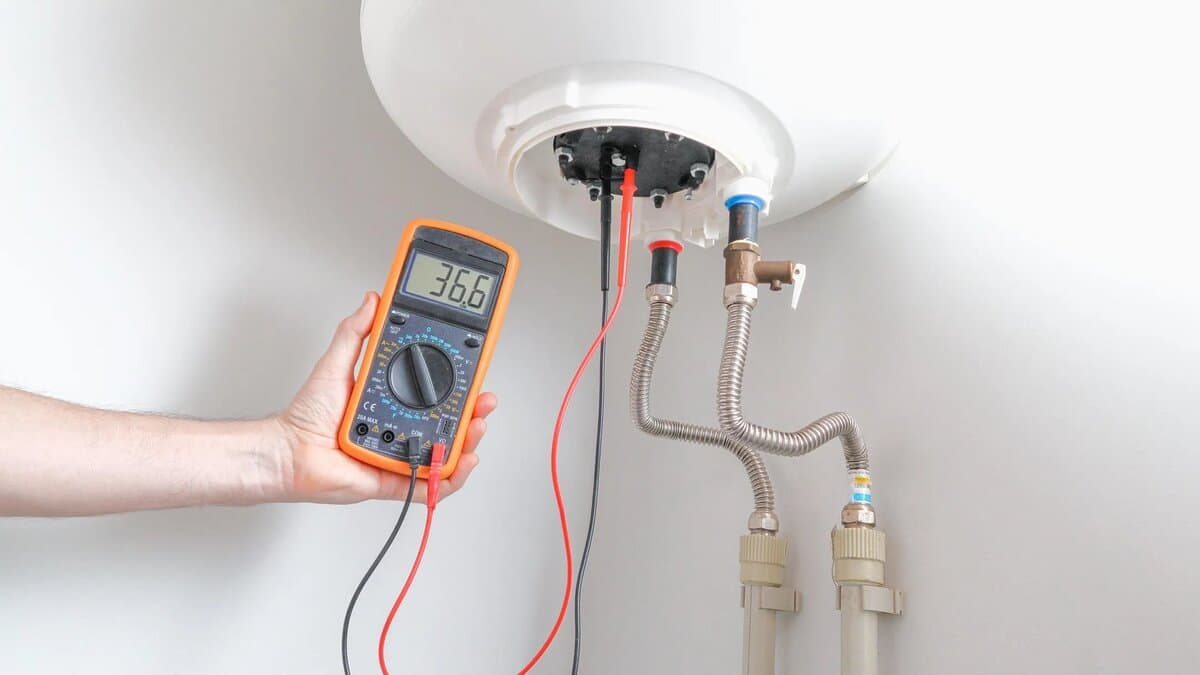
- The element. A failed element draws no current even when the circuit is live.
- The thermostat or cut-out. A thermostat fault or a tripped over-temperature cut-out stops heating regardless of supply.
- The meter arrangement. A meter change, a retailer change or a network fault can leave the controlled-load channel unconfigured or switched off.
- The circuit protection. A tripped breaker or safety switch on the hot-water circuit.
The symptoms overlap, and none of them identifies the component from the outside. The hot-water troubleshooting guide covers the general fault patterns.
Smart meters and controlled load
Smart meters are now being installed across the Central Coast as older meters are replaced. A smart meter can still provide controlled load; the switching is done by the meter's own schedule rather than a network signal. Two issues sometimes follow a meter change:
- The controlled-load channel is not configured, so the heater receives no supply at all.
- The heating periods differ from the old arrangement, so the tank heats at different times.
If your hot water stopped around the time the meter was replaced, tell the retailer and the electrician. The metering provider may need to correct the configuration, and the electrician can confirm whether the circuit is receiving supply during the expected window.
Changing tariffs when replacing a system
Replacing a storage heater is a chance to review the tariff. Points to consider:
- A larger or smaller tank changes how well the household copes with the overnight window.
- Moving from controlled load to a continuous-supply circuit gives hot water whenever it is needed, but at the ordinary rate.
- Some newer storage units have their own timers and can run on continuous supply with the timer set to cheaper periods, which needs the wiring arranged to suit.
- A change of tariff is requested through your retailer, and the electrician may need to alter the circuit at the switchboard or meter arrangement so the heater is on the right supply.
Ask the electrician to set out the circuit implications in the quote before deciding.
What to check safely
Nothing here involves opening anything:
- Note whether the hot water is completely cold, lukewarm or running out earlier than usual, and at what time of day.
- Note when it started, and whether a meter change, storm, power outage or other electrical work happened around the same time.
- Look at the outside of the switchboard, if it is safe to approach, and read whether the hot-water breaker is in the off or tripped position. Do not open the cover, remove a panel or reset a breaker that has tripped more than once.
- Note the position of the external isolator near the tank, if there is one, without operating it.
- Check your latest bill for the controlled-load tariff name and, if it shows usage, whether that usage has dropped to nothing.
Do not open the switchboard or the meter enclosure, remove the heater's element cover or test anything yourself. Do-it-yourself electrical work is illegal in NSW. If you notice a burning smell, smoke, scorching, a buzzing enclosure or water near electrical parts, keep clear and call 000 for fire or immediate danger. A shock or tingle from a tap, the tank or any metal fitting is an emergency: keep clear and report it to Ausgrid immediately on 13 13 88, then call an electrician.
How AB Electrical assesses the electrical and plumbing sides
The electrician tests the controlled-load circuit for supply during and outside the expected window, checks the relay or contactor, tests the element and thermostat, and confirms the circuit protection and isolator. Where the meter configuration appears to be the cause, the electrician explains what needs to be raised with the retailer or metering provider. Any alteration at the meter arrangement that needs distributor coordination is arranged as part of the job.
The plumbing side is checked by AB Electrical's appropriately qualified in-house team: the tank, valves and pipework, and whether a leak or a failed tank rather than an electrical component is behind the loss of hot water. Assessing both sides together avoids a second visit and a guess about which trade to book. See the hot-water systems service for what the work covers.
Calling AB Electrical
For no hot water with a tripping circuit, scorching, a leak near electrical parts or any other urgent fault, call 0405 343 343 from a safe place; availability and arrival timing are confirmed on the call. For a planned replacement or a tariff change, send an enquiry with the system type and approximate age, your suburb, the tariff on your bill and what you want to change, and the same electrician will handle the assessment and installation from first call to completion.