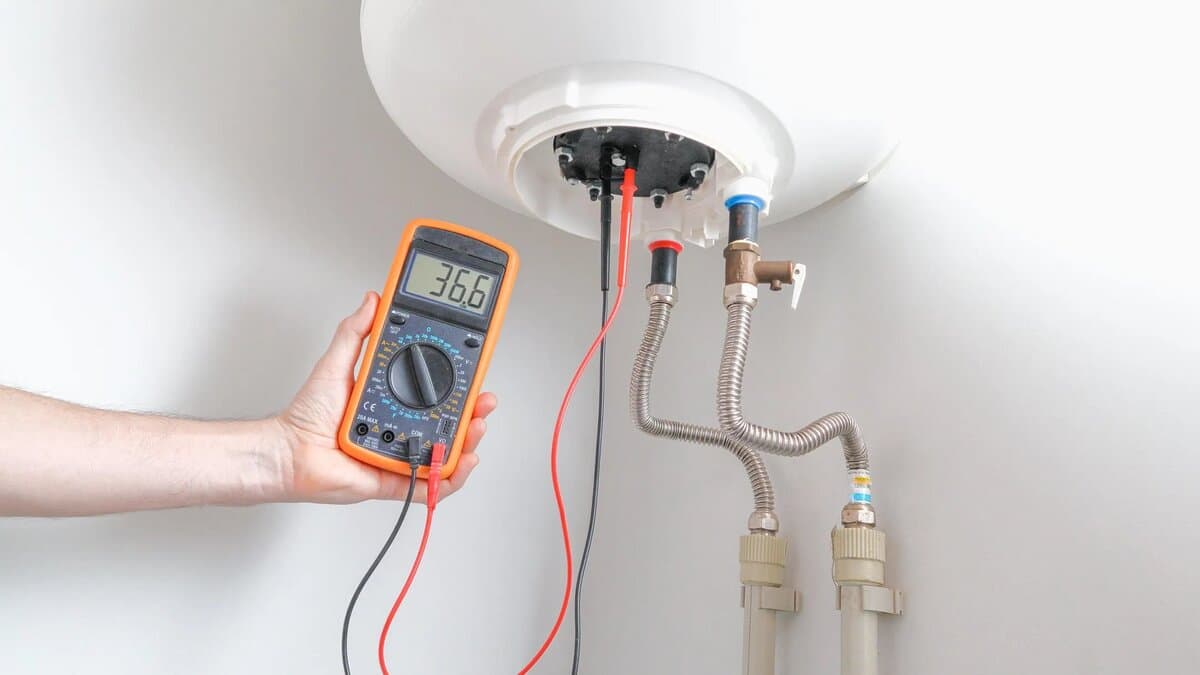
No hot water does not automatically mean the tank needs replacing. In an electric hot-water system, the problem may be the power supply, a heating element, a thermostat, the controls or a plumbing fault. The system type and symptoms help decide what needs checking.
This guide focuses on electric hot water. AB Electrical's appropriately qualified in-house team handles the electrical and plumbing work involved in assessment, repair and replacement.
The usual suspects
Possible causes include:
- Loss of electrical supply — a tripped circuit, an isolator left off or a supply interruption.
- A failed heating element — the tank has power but is not heating as it should.
- A thermostat or control fault — heating may stop or behave inconsistently.
- Earth leakage — a safety switch may be correctly disconnecting a faulty circuit or component, rather than being faulty itself.
- A plumbing or tank problem — a leak, valve issue or loss of stored hot water can require plumbing work.
These are possibilities, not a diagnosis. The manufacturer's troubleshooting guidance (opens in new tab) can also help you identify information relevant to your model.
Step 1: Note the switchboard position safely
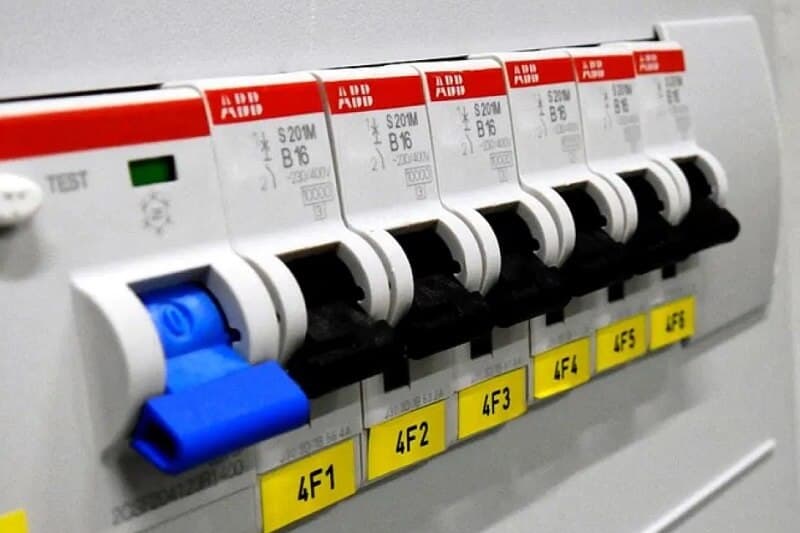
If the board is safe to access, look at the external label for “hot water” or “HWS” and note whether the switch has tripped. Do not remove covers.
Do not approach or operate a board that is wet, damaged, hot, sparking or smells of burning. Leave a repeatedly tripping circuit off and call an electrician. A switch staying on does not prove the system is safe, and a main switch being off does not make incoming wiring safe to touch.
Step 2: Check whether the system was deliberately isolated
From a safe position, note the position of the external hot-water isolator if there is one. If it is off, ask whether someone turned it off for maintenance or because of a fault. Do not restore power to equipment that may have been deliberately isolated.
Check whether the system uses controlled-load heating or a timer. Heating may only occur during its scheduled supply period; the electricity retailer or system instructions can help confirm this.
Step 3: Look, but do not touch
Only note what is visible without opening the tank or approaching electrical equipment:
- Water leaking from the tank or pipework.
- Rust or corrosion around the enclosure.
- Burn marks or discolouration on an isolator or cable.
- Unusual discharge from a relief valve.
Some relief-valve discharge during heating can be normal. Do not block the valve, operate it to investigate a fault or assume every drip means the tank has failed. Describe persistent or heavy discharge to the qualified team.
Step 4: Describe the symptoms
Useful details include:
- System type and model, if available without going near a hazard.
- No hot water or only lukewarm water, and whether every hot tap is affected.
- When it started, including any storm, power interruption or recent work.
- Any tripping you have already noticed, without resetting the system to recreate it.
- Visible leaks, unusual sounds or smells.
- Approximate age, plus any previous repairs.
The pattern helps narrow the assessment, but it does not reliably identify an element, thermostat or plumbing fault on its own.
What the team will check
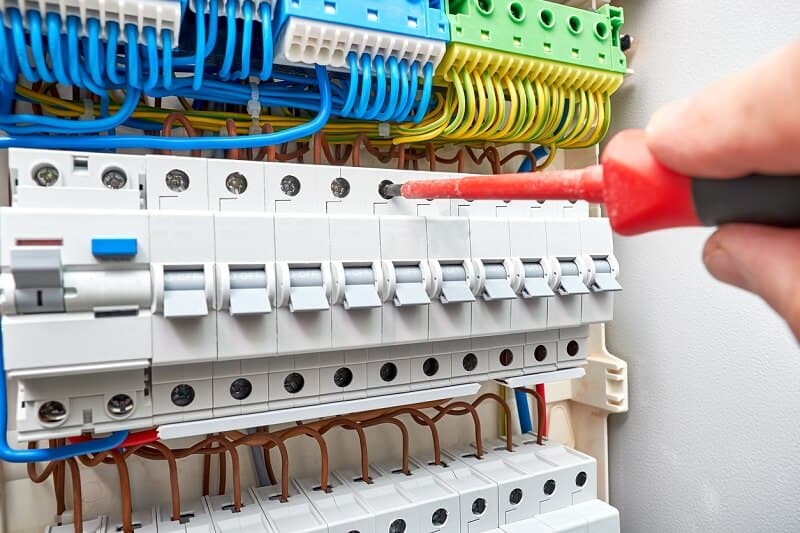
The electrician can test the supply, circuit protection, element, thermostat and controls. Plumbing checks can establish whether the tank, valves or pipework are contributing to the problem. Each part of the work is handled by the appropriately qualified in-house team.
Hot-water diagnosis and repairs are often completed the same day, and many electrical faults can be repaired in one visit. Parts availability and the condition of the system can mean follow-up work is needed.
As an indicative planning guide, the electrical repair range in this article is $220–$560. It is not an AB Electrical quote or a fixed repair price. The fault, access, parts and any plumbing work determine the actual scope and cost.
When to stop checking and call
Stop troubleshooting if you notice:
- Scorching, smoke or a burning smell.
- A circuit that trips again.
- Water near electrical components.
- Buzzing, crackling or visible damage.
Keep away from the affected equipment. Call 000 for smoke, fire or immediate danger. A shock or tingle from taps or metal fittings is also an emergency: call 000 and the electricity distributor immediately; for Ausgrid, call 13 13 88. Stay away from metal fittings, water sources and the switchboard. Do not wait for a repair appointment. See Ausgrid's shock and tingle advice (opens in new tab).
What not to do
Do not keep resetting a tripped switch. Repeated trips need investigation.
Do not open covers or test wiring. Hot-water equipment can contain live electrical parts.
Do not choose the trade from a guess. Explain the system and symptoms so electrical and plumbing work can be assessed together.
Do not assume the tank needs replacing. A repairable component fault is different from a failed tank.
What to do next
AB Electrical’s appropriately qualified in-house team can assess the electrical and plumbing causes together, then explain whether a component repair or replacement is appropriate. See the hot-water repair and installation service for the work covered.
For a fault, call 0405 343 343 from a safe place. For planned replacement, send an enquiry with the system type, suburb and what you want to change. Do not approach a leaking or damaged unit to get those details.