Scheduling electrical work outside trading hours can make sense when isolation, noise or restricted access would interrupt the business. Compare the agreed after-hours price with the disruption of doing that same job while the site is operating.
AB Electrical arranges commercial electrical work in agreed evening, weekend or pre-trading windows. Availability and the work required determine the booking.
Start with your site's actual hours
There is no standard “quiet time” for every cafe, shop, office or warehouse. Give the electrician your trading hours, deliveries, neighbouring occupiers and any noise restrictions.
Identify equipment that must keep running even while the premises is closed: refrigeration, security, IT or shared-building services can affect the isolation plan.
Which jobs might suit an after-hours window?
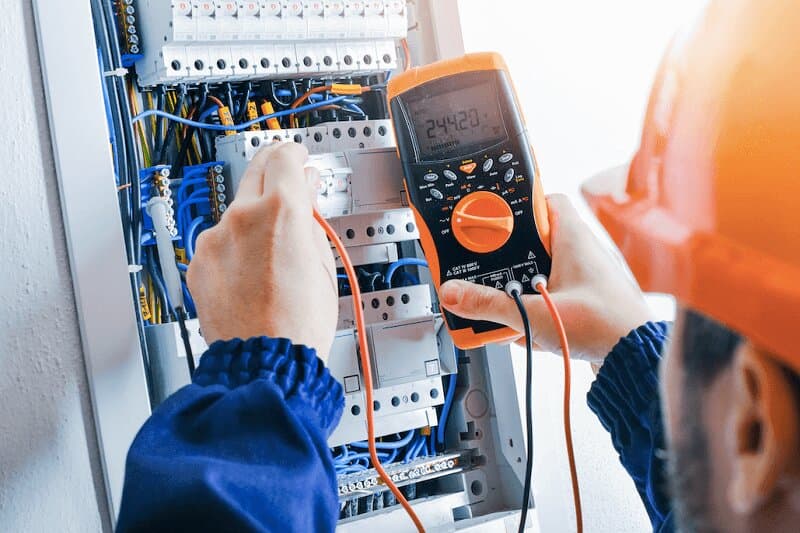
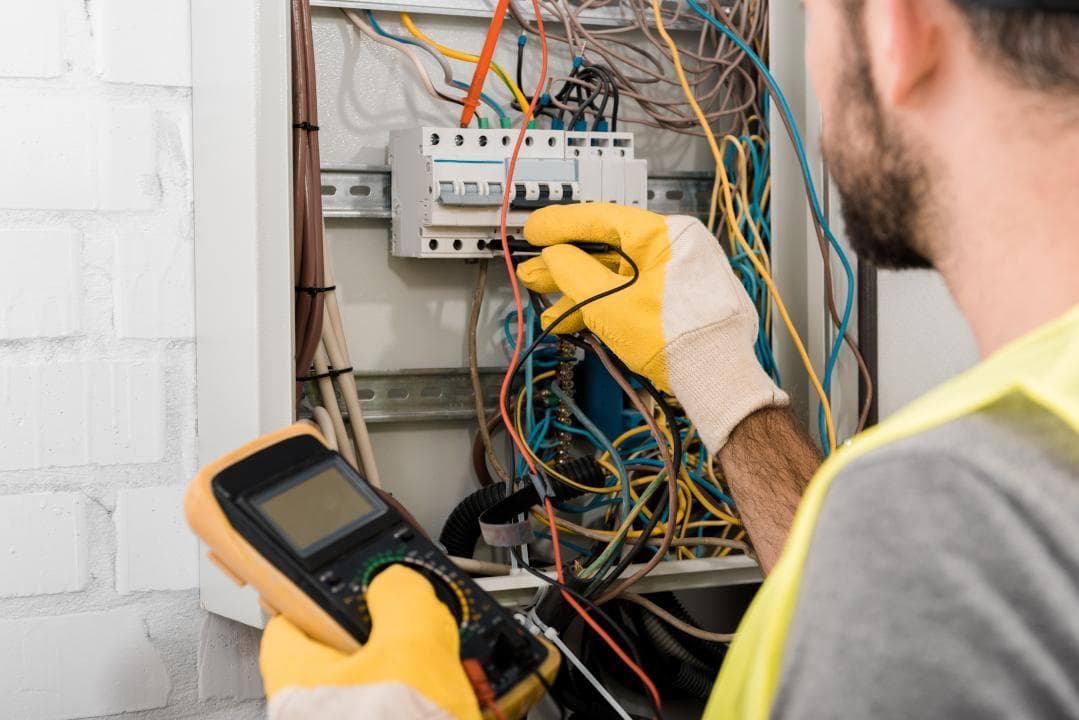
- Switchboard work: the extent and duration of isolation depend on the installation.
- New circuits and cable runs: access may be easier without customers or staff in the work area.
- Lighting changes: consider height, work-zone access and reopening.
- Testing: determine what equipment will be interrupted and for how long.
- Fit-out stages: coordinate with the builder and other trades.
A small repair is not automatically suitable during trading. A single circuit may serve essential equipment. Conversely, some work can be safely separated from the occupied area without closing the whole site.
Compare cost and disruption
Consider the quoted electrical work alongside your own staffing, access and trading arrangements. Allow time for testing, reinstatement and restarting equipment—not just installation.
An uninterrupted window may help the job, but does not guarantee a lower total cost. Agree the practical options and compare the same scope.
Indicative attendance ranges
These planning examples are not AB Electrical quotes or a complete job price:
- Standard business-hours callout, including a first-hour allowance: $180–$280.
- Evening, Saturday-morning or pre-trading callout: $260–$420.
- Late-night or Sunday callout: $320–$480.
- Public-holiday callout: $380–$520.
Confirm the actual attendance window, time allowance, materials, tax treatment and whether the attendance charge is additional to the work. Scheduled project work is quoted for its scope and may not use a callout pricing model.
Agree access and decision-making
Nominate who will provide access, who can approve a change and who will check the premises before reopening. Arrange any sensitive access details directly; do not put alarm or keysafe codes in a website enquiry.
The plan should address isolation, equipment restart, site security and any work that cannot be completed within the window.
What records will be supplied?
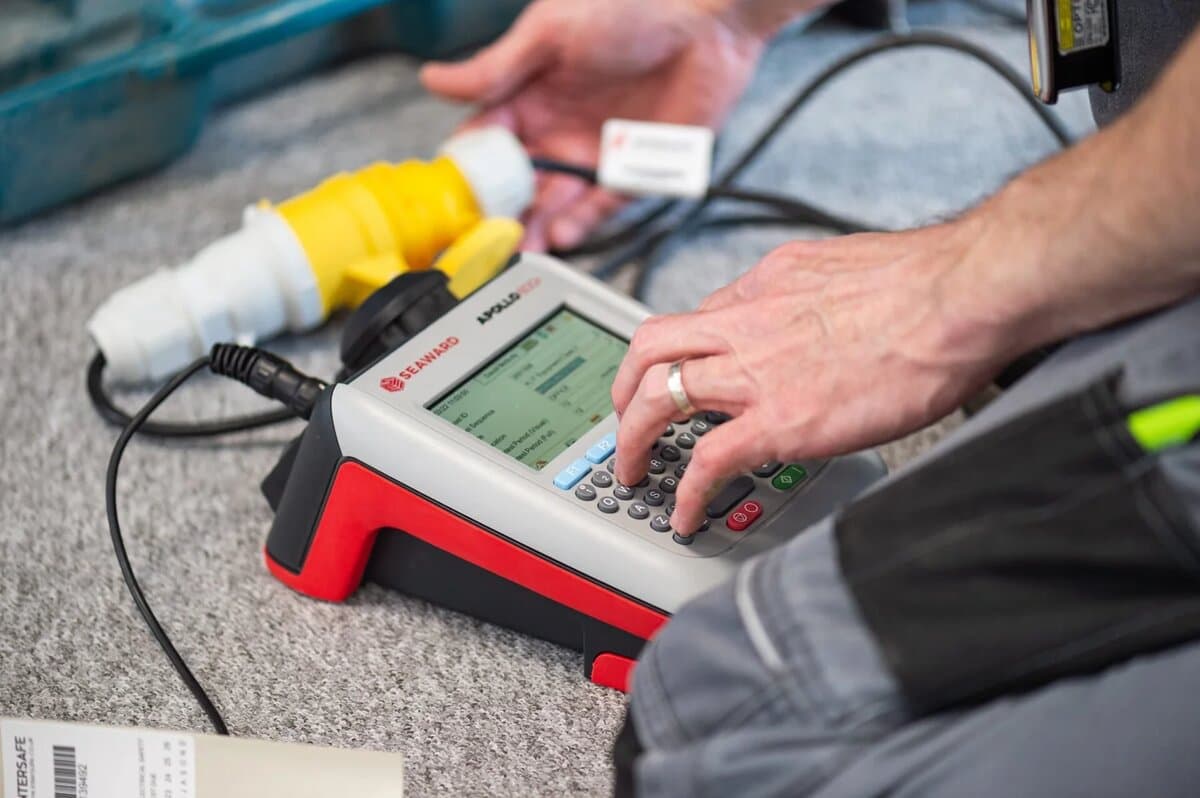
Confirm the electrical testing and completion records applicable to the job. Emergency-lighting test records, portable-equipment test results and electrical compliance certificates serve different purposes.
A routine maintenance visit is not a substitute for every building fire-safety assessment. See the emergency-lighting guide where that work is involved.
What to note before you call
Gather the practical details the electrician will ask for, none of which require you to touch electrical equipment:
- Your trading hours and the windows when the premises is empty or quiet.
- Which equipment must stay powered during the work, and whether any of it is on a separate supply or a shared building service.
- Where the switchboard and metering are, and whether access involves a landlord, centre management or a neighbouring tenancy.
- Whether the site has emergency lighting, alarms, refrigeration or IT equipment that needs a controlled shutdown and restart.
- Who will be on site to open up, answer questions and check the premises before it reopens.
If the work follows a defect notice, inspection report or fire safety schedule, have that document to hand so the scope matches what has been asked for.
Common misunderstandings
After hours means the same job costs the same. The work itself may be identical, but the attendance window, time allowance and any second visit are quoted separately. Compare proposals on the same scope and window.
The electrician can just work around staff. Some tasks can be safely separated from an occupied area; others require the circuit or the whole board to be isolated, which affects everyone on the premises. The isolation plan decides that, not the size of the job.
A completion certificate covers the whole building. It relates to the electrical work carried out. Emergency-lighting test records, portable-equipment testing and the building's annual fire safety statement are separate obligations with their own records.
Booking after hours guarantees the date. Availability, access arrangements and any distributor or landlord approvals can move a booking. Confirm the proposed window and what would change it.
Booking with AB Electrical
Routine work can often be booked with a few days' notice, subject to availability, access and scope. A larger shutdown or work involving other parties may need more planning. Confirm the proposed date rather than treating it as guaranteed.
Planned work is quoted in writing. Ongoing commercial maintenance and account arrangements are agreed case by case. For an urgent fault, call and explain the immediate issue; emergency attendance has different constraints from a scheduled shutdown.
Send the proposed work and site hours, or see our fit-out planning guide if the work is part of a build.
For an urgent fault at your premises, such as a burning smell at the switchboard, sparking or a loss of power to essential equipment, call 0405 343 343 from a safe place; emergency enquiries are open 24/7. For scheduled work, send an enquiry with the suburb, a short description of the job and your trading hours, and photos only if they can be taken safely without opening covers.