Moving a meter for a renovation involves more than choosing a new box position. The electrical installation, connection requirements and electricity retailer's metering arrangements all need to line up with the building work.
AB Electrical can assess the proposed changes and coordinate the Level 2 and electrical work required at the address. Get that assessment before the builder locks in the work around the meter.
When a meter relocation may be needed
Possible reasons include:
- Renovation — new walls, doors or windows affect the existing position.
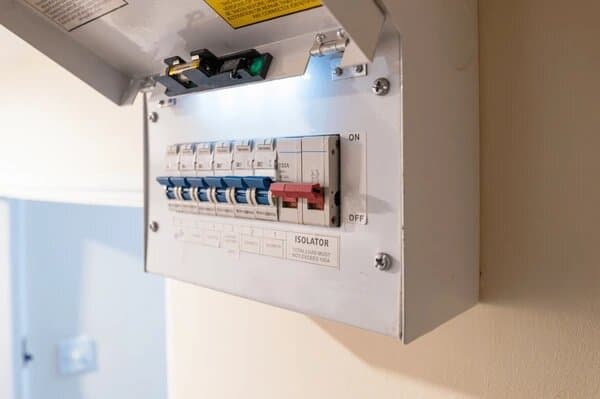
- Switchboard changes — the board is moving and the metering arrangement needs review.
- Extension or granny flat — the proposed installation changes supply or metering needs.
- Access or compliance — the present location is obstructed or unsuitable for the work.
- Practical layout changes — the owner wants to explore a different position.
A switchboard moving does not automatically mean the meter must follow. The electrician checks the proposed arrangement and the relevant installation requirements.
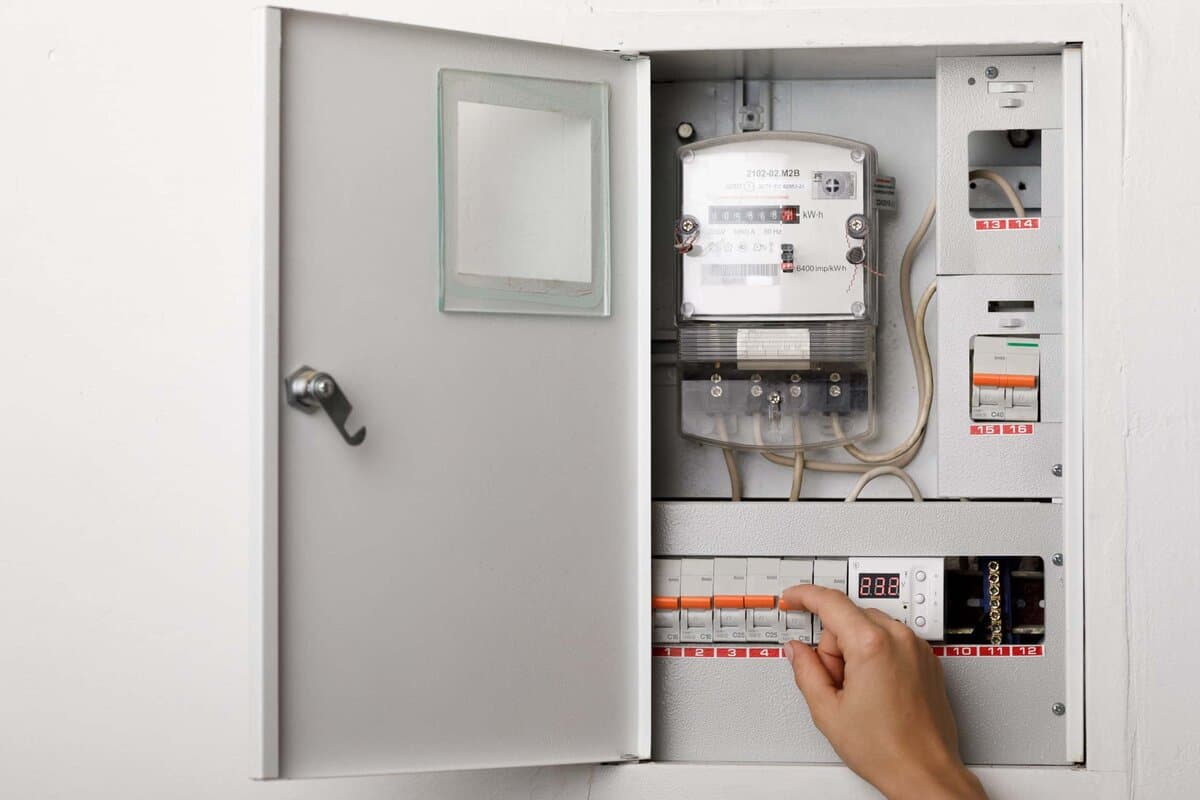
Not every existing meter can be physically moved. Replacement metering may need to be arranged through the electricity retailer and its metering provider. Ausgrid's ASP2 guidelines (opens in new tab) describe its metering relocation restrictions.
What the process looks like
1. Site inspection
The electrician checks the existing equipment, proposed position, cable route and access. Share the renovation plans and any advice already received from the retailer or distributor.
2. Written quote for planned work
The quote sets out the electrical scope, price and expected timing. It should make clear who arranges metering and which distributor, retailer, metering or building costs are included or separate.
AB Electrical replies as soon as possible once the information needed to prepare the quote is available.
3. Distributor and metering coordination
The distributor for the address confirms the relevant connection requirements. Metering work may need a separate retailer or metering-provider appointment.
The distributor operates the network; the retailer manages the electricity account and arranges its metering provider. Ask who will book each part and which charges come from each party. A date for the electrician alone does not confirm that a metering appointment has been arranged. Ausgrid explains the parties involved in a connection (opens in new tab).
There is no single lead time that applies to every installation. Typical planned Level 2 jobs take 1–3 weeks from confirmed scope to reconnection, but metering appointments, approvals and complex alterations can take longer.
4. Scheduled work
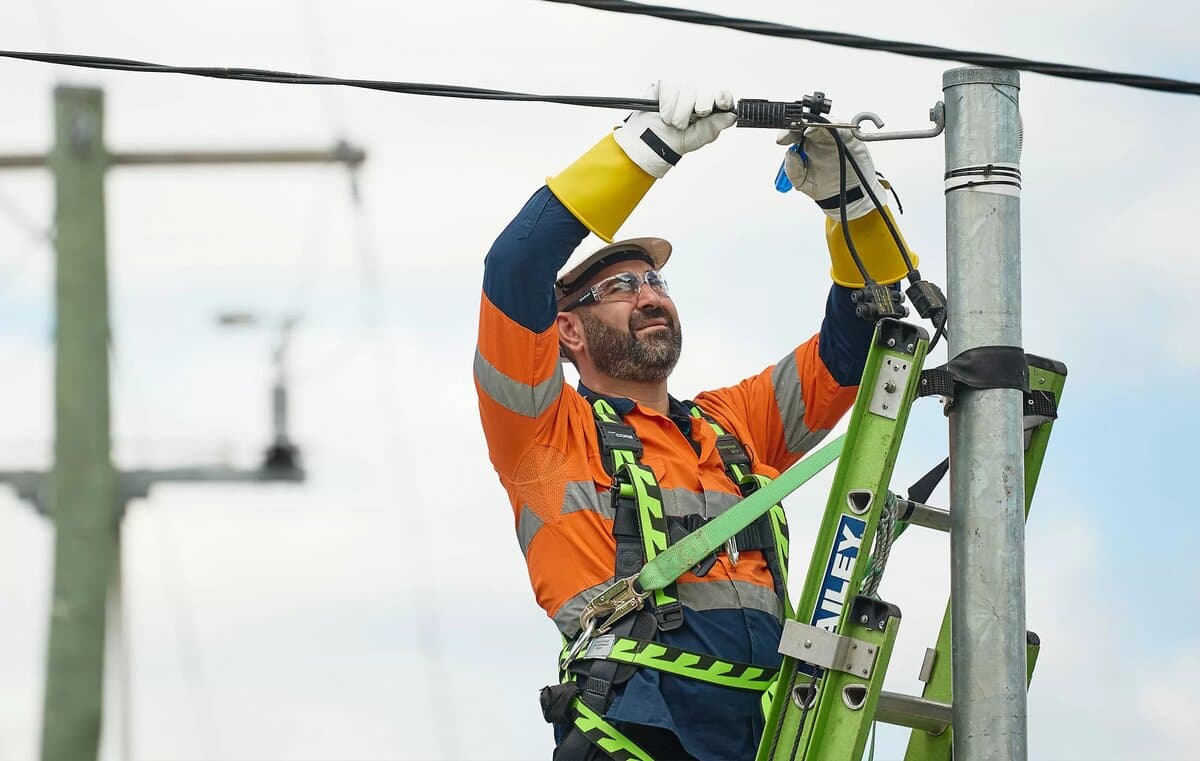
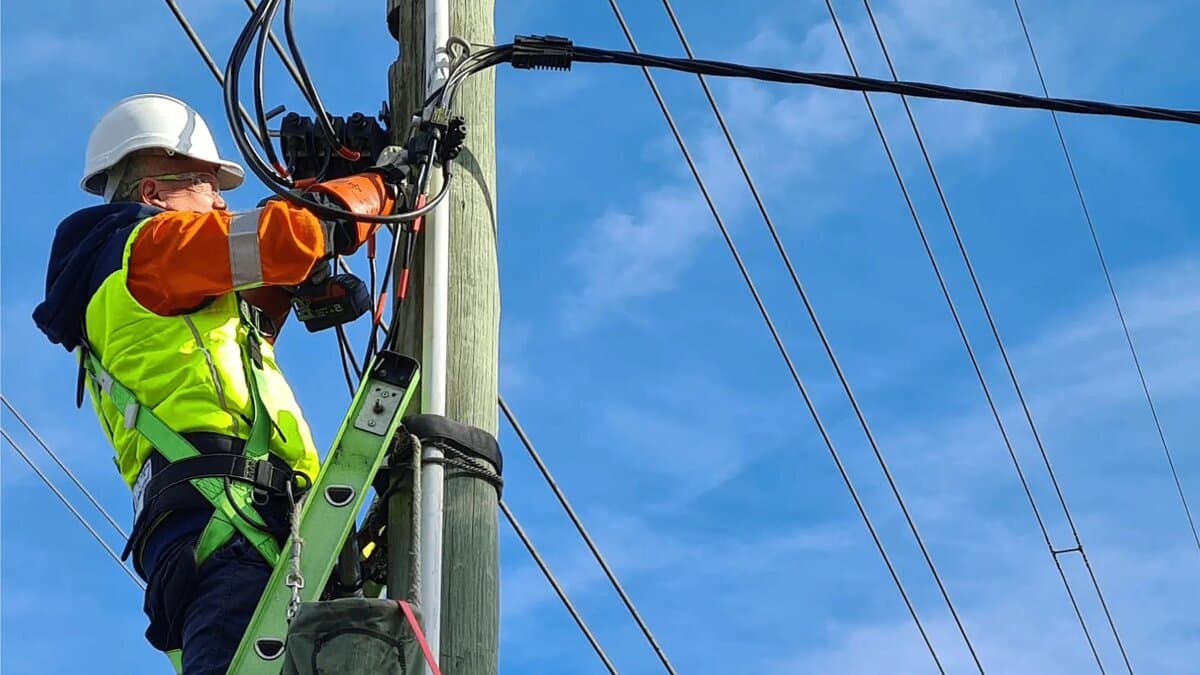
Once the required arrangements are confirmed, the appropriately qualified and authorised workers complete their parts of the job. This may include isolation, cable or enclosure changes, metering installation and connection work.
The expected power-off window is agreed in advance. Tell the team about refrigeration, site access, working-from-home needs or medical equipment before scheduling.
5. Testing and reconnection
The required tests and connection checks are completed before supply is restored. Timing depends on all necessary electrical and metering work being ready.
6. Documentation
Keep the applicable electrical compliance records, metering information and summary of completed work. Ask which documents come from the electrician, distributor or metering provider so nothing is overlooked at handover.
What it costs on the Central Coast
These guide ranges are not an AB Electrical price schedule or a complete price for every meter move. The actual job is quoted after assessment:
| Scenario | Indicative range |
|---|---|
| A short move to the same or an adjacent wall | $800–$1,200 |
| A move involving a longer cable route | $1,200–$1,800 |
| Metering changes combined with switchboard work | $2,500–$4,500 |
| Moving from an internal to external position | $1,000–$1,600 |
The final quote depends on what can be retained and what must be replaced. Do not assume the ranges include retailer, distributor or metering charges, building work or every connection cost.
Key cost factors include:
- Distance and cable route — length, access and whether excavation is needed.
- Existing equipment — whether the meter, panel or enclosure can remain in use.
- Wall and mounting work — the new position may need preparation or finishing.
- Switchboard scope — additional electrical work changes the combined price.
- Connection and metering requirements — the actual installation determines the parties and work involved.
Common mistakes that cause delays
- Leaving the decision until building work has started. Assess the position and connection requirements before working around the existing equipment.
- Assuming one approval covers every task. Electrical licensing, Level 2 authorisation and metering arrangements have different roles.
- Not sharing the plan with the builder. The isolation window and new equipment position need to fit the build sequence.
- Assuming separate jobs are cheaper or a combined job guarantees a discount. Ask for both scopes to be reviewed together; the benefit depends on shared access and work.
What to do next
Contact AB Electrical with the suburb, proposed position, renovation plans and any retailer or distributor correspondence. We can confirm what needs assessment and coordination before the work is booked.
AB Electrical can coordinate the agreed Level 2 and supply work with the required metering arrangements. For associated changes inside the building, residential renovation electrical work can be planned alongside the move. The switchboard cost guide covers that separate part of the installation.
For a damaged meter box, exposed cables or a burning smell at the board, call 0405 343 343 from a safe place after reporting any network hazard to the distributor. For a planned relocation, send an enquiry with the details above and photos of the existing meter position only if they can be taken safely without opening the box or approaching cables.