Bathrooms produce a lot of moisture in a short time. Without a working exhaust fan, that moisture settles on ceilings, mirrors and grout, feeds mould and shortens the life of paint and fittings. On the Central Coast, where the air is humid for much of the year, a window alone rarely keeps a bathroom dry.
This guide explains why mechanical ventilation matters, how an exhaust fan differs from a three-in-one unit, and what the electrician checks before installing or replacing one. This is licensed electrical work in NSW.
Why bathrooms need mechanical ventilation
A hot shower puts a large volume of water vapour into the air. A window helps only when it is open and the outside air is drier than the inside air. On a still, damp morning it does very little.
An exhaust fan pulls the moist air out and lets drier air in through the door gap or an undercut. Run for long enough after a shower, it keeps the ceiling and walls close to room humidity, which is the most effective step against mould. Building rules require mechanical ventilation in bathrooms without adequate natural ventilation, and renovations often trigger that requirement.
Ducting to outside, not into the roof
Where the fan sends the air is as important as the fan itself. An exhaust fan that simply blows into the roof space moves the moisture problem from the bathroom to the timber, insulation and plasterboard above it. Over time that shows up as damp insulation, ceiling staining and mould in the roof cavity.
A properly installed fan is ducted to an outlet in the roof, an eave vent or a wall vent, with the duct run kept as short and straight as practical. Long, sagging or kinked flexible duct reduces airflow noticeably. The electrician checks the route to outside before quoting, because the roof pitch, the bathroom's position in the house and any existing vents all affect the duct run.
If your existing fan was never ducted, replacing it is the time to fix that.
Exhaust fan or a combination unit
A plain exhaust fan does one job and does it quietly. It suits bathrooms that already have good lighting and heating, as well as toilets and laundries.
A three-in-one unit combines an exhaust fan, a light and heat lamps or a heating element in a single ceiling fitting. It is the common choice for a main bathroom because it gives instant warmth on a cold morning without a wall heater taking up space. The trade-offs are that the fan in a combination unit is often less powerful than a dedicated exhaust fan, the unit is larger and heavier, and when one part fails the whole fitting may need replacing.
Some homes do well with both: a dedicated exhaust fan positioned near the shower for ventilation and a heater light over the vanity for warmth.
Circuit and load for heat lamps
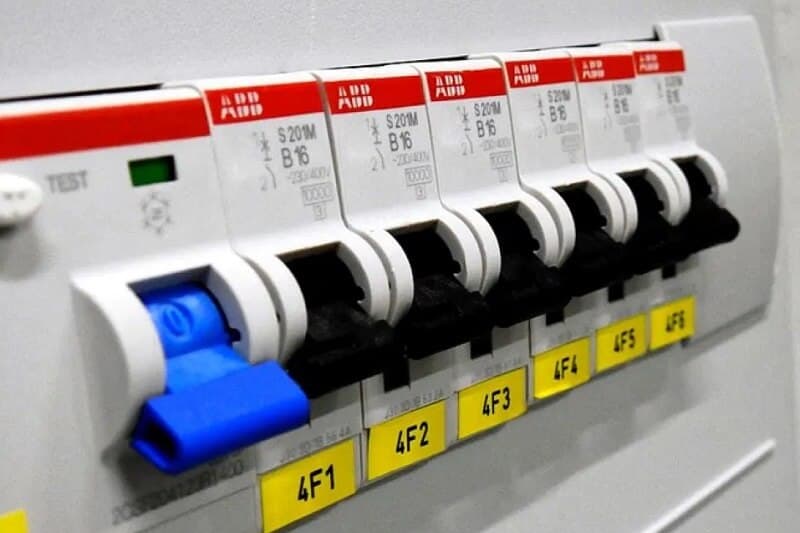
Heat lamps draw far more current than a fan or a light. A four-lamp unit on full is a significant load, and on an older switchboard it may share a circuit with other rooms that were never planned for it. The electrician checks which circuit the bathroom is on, what else is connected to it and whether the protection is adequate. In some cases the heater needs its own circuit or an upgrade at the switchboard before it can be installed safely.
This is also why a bathroom heater that trips the power when it is switched on should not be reset repeatedly. The circuit breakers tripping guide explains why a breaker that keeps tripping is a reason to call rather than something to work around.
Moisture zones near showers and baths
Electrical rules divide a bathroom into zones based on distance from the bath, shower and basin. What can be installed in each zone, and what rating it needs, is set by those rules. A standard fitting that is fine over the vanity may not be permitted directly over the shower.
The electrician measures the zones and confirms what can go where. Fittings intended for wet areas carry an IP rating that shows how well they resist water and steam. If you have a preferred position for a fan or heater light, mention it in the enquiry and it can be checked against the zones before the quote is written.
Run-on timers and switching
A fan that only runs while the light is on stops the moment someone leaves the room, which is usually before the moisture has cleared. A run-on timer keeps the fan going for a set period after the switch is turned off, then stops it. It is a small addition that makes a real difference.
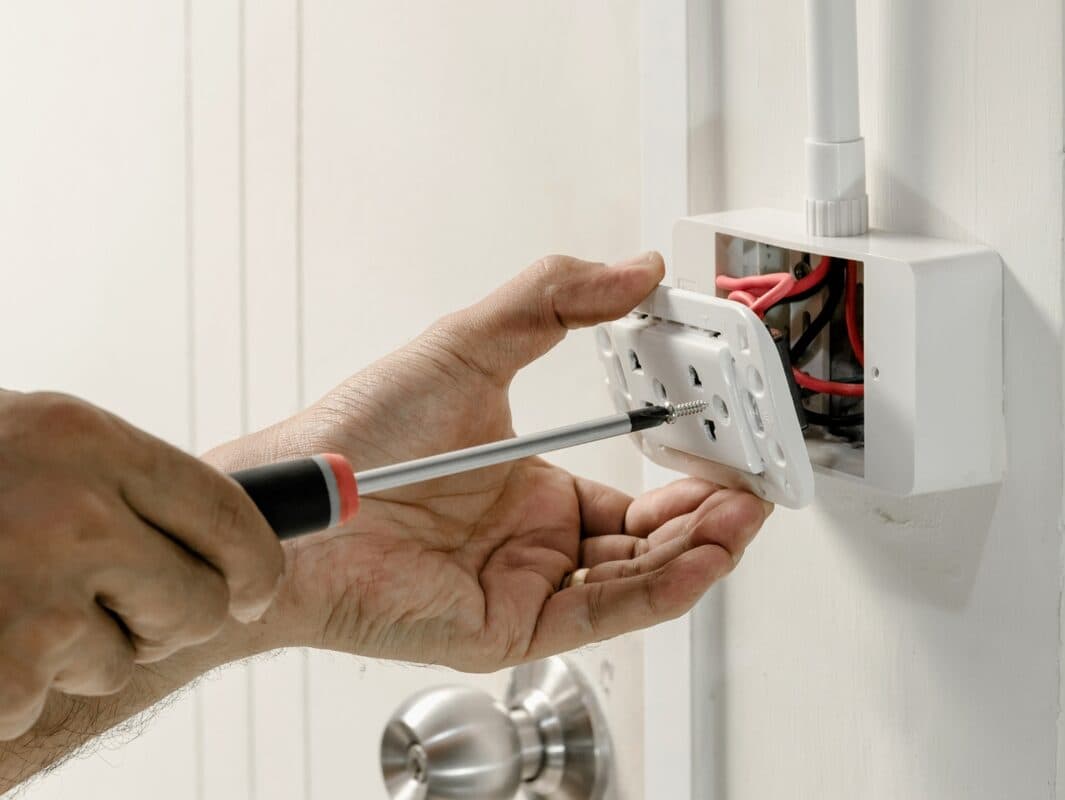
There are a few ways to wire the controls. The fan can share the light switch, have its own switch, run on a timer or be triggered by a humidity sensor. Three-in-one units usually come with a multi-gang switch plate for the light, fan and heat lamps, and the electrician confirms that the existing wall position and wiring can support it. If the current bathroom has a single switch, expect the switch plate to change.
Replacing a failed unit
Exhaust fans and heater lights do not last forever. Motors get noisy, heat lamps fail and plastic housings become brittle. When a unit is replaced, the electrician checks the existing wiring and ducting, confirms the ceiling opening suits the new fitting and looks for any sign of past overheating in the old unit. If the old fan was never ducted, or the duct has come loose in the roof, that is corrected at the same time.
If an old unit has stopped working, switch it off at the wall and leave it. Do not remove the cover, pull the unit down or test it. If it smells of burning or has been sparking, treat it as urgent.
What to send with the enquiry
Planned bathroom work is quoted in writing once the scope is understood. Include:
- Your suburb and whether the room is a main bathroom, ensuite, toilet or laundry.
- Whether you want a plain exhaust fan, a three-in-one unit or both.
- Whether there is an existing unit, and if so what it does and what switches it.
- Whether the roof above the bathroom is accessible and whether you know of any existing vents.
- Any brand or model you have already chosen.
A photo of the ceiling and the wall switch, taken from the floor, is helpful. A photo of the switchboard is also useful if it is easy to reach. Do not enter the roof space or remove any fitting for a photo.
If the bathroom work is part of a larger renovation, the renovation electrical checklist covers the other decisions worth making before the walls are closed. AB Electrical also has appropriately qualified in-house team members for hot water work, so a bathroom job that includes plumbing can be discussed in the same enquiry.
Calling AB Electrical
AB Electrical installs and replaces bathroom exhaust fans and heater light units across the Central Coast as part of its residential electrical work, including any switchboard upgrade needed to support a heater. The same electrician handles the job from the first call through to completion.
For an urgent fault, such as a unit that is sparking, smoking or tripping the power, switch it off if that is safe and call 0405 343 343 from a safe place. For smoke or fire, leave and call 000.
For a planned installation or replacement, send an enquiry with your suburb, the room, what you would like installed and photos of the ceiling and switch only if they can be taken safely from the floor.