If your power has just gone out at 11pm, your switchboard smells like burning plastic, or a fitting is sparking after a storm, the question of cost is rarely the first thing on your mind — but it is usually the second. This guide gives indicative planning ranges for after-hours emergency electrical callouts, explains why after-hours pricing exists, and shows what to expect on the invoice when the work is done.
If there is smoke, fire or immediate danger, move to safety and call 000. Report shocks, tingles or damaged powerlines to the electricity distributor immediately; for Ausgrid, call 13 13 88. For urgent property electrical faults, call AB Electrical on 0405 343 343 from a safe place. Availability, arrival timing and attendance charges are discussed on the call.
What "after hours" actually means
After-hours pricing applies whenever the callout falls outside standard business hours. Ask when the provider's after-hours charges apply. Common booking windows include:
- Weekday evenings or overnight — the provider defines the charging window
- Weekends — all day Saturday and Sunday
- Public holidays — including Christmas Day, Boxing Day, New Year, Easter weekend, and the major NSW public holidays
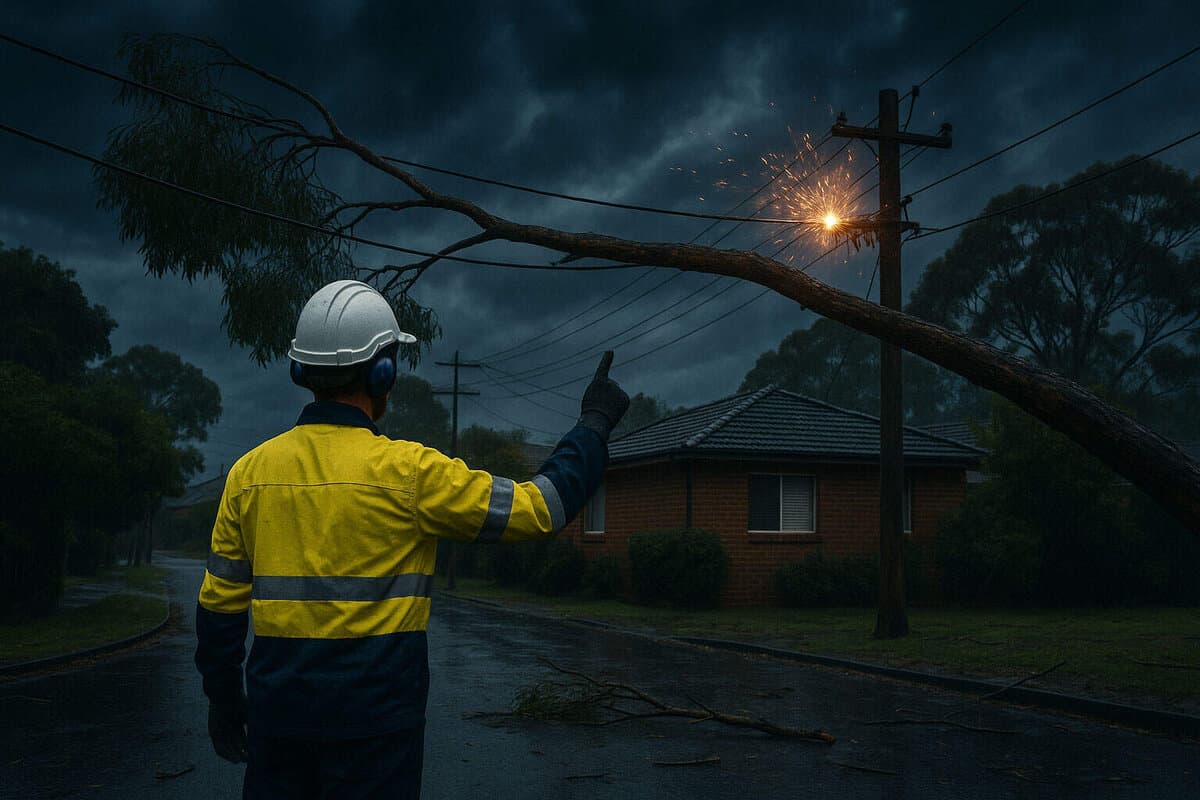
- Storm or flood response — access, hazards and the required work affect the scope; do not assume a particular weather surcharge
The reason after-hours work costs more is straightforward: the electrician is being asked to be available outside their normal working time. Attendance, labour, access and repair costs can each vary. Confirm the charging basis rather than assuming the premium covers everything.
Indicative emergency pricing
Use these guide ranges for early budgeting, not as an AB Electrical quote:
- Standard business-hours callout: $180–$260 attendance, plus the work
- After-hours / weekend callout: $240–$380 attendance, plus the work
- Public-holiday callout: confirm the charge directly; do not assume it matches a weekend rate
- Fault finding and isolation (on-site, after diagnostic gear is used): $150–$350
- Minor urgent repair example: $250–$650; confirm whether attendance, testing and materials are included before treating it as a total
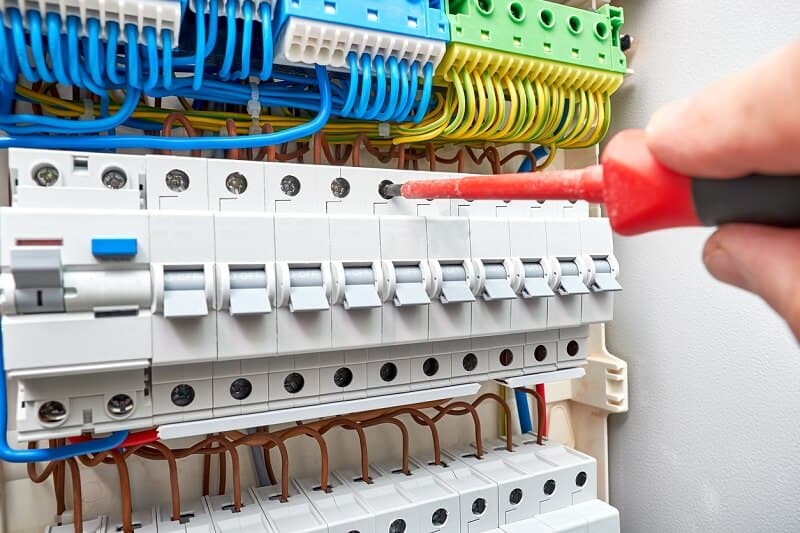
- Switchboard fault repair: $400–$1,200 depending on the failure mode
The actual price depends on the fault, attendance window, access and required parts. Ask what the attendance charge includes and what may be charged separately.
What's included in the callout fee
An attendance charge may cover some or all of the following. Confirm the inclusions when booking:
- Travel and attendance — confirm the ETA separately; an attendance charge is not a guaranteed arrival time
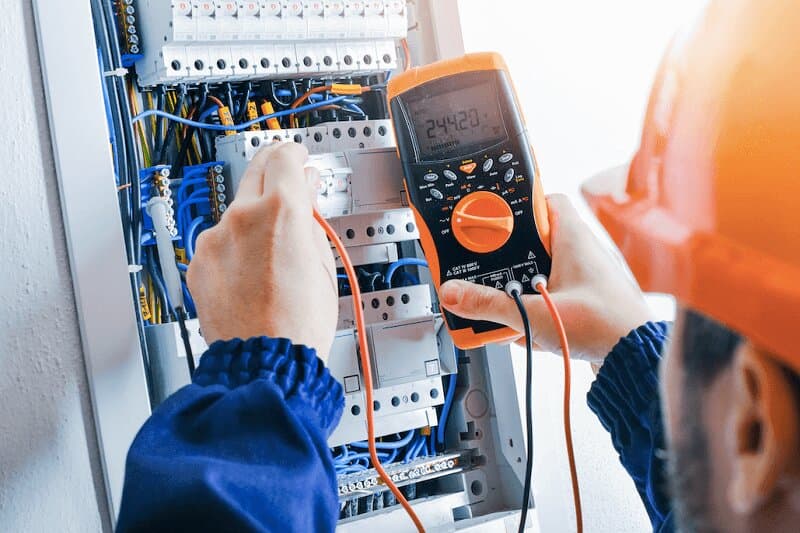
- The diagnostic work on-site — testing circuits, isolating faults, and identifying the root cause
- Initial attendance time — ask whether diagnostic or isolation work is included and how extra time is charged
- Initial safety work — which may mean leaving affected equipment isolated until repairs can be completed
Also ask whether these are additional:
- Replacement parts — fittings, breakers, and components are extra
- Extended diagnostic work — beyond the agreed initial allowance
- Major repair work — switchboard rebuilds, rewiring, follow-up jobs
Will the callout fee be added to the repair?
This is the question most homeowners actually want answered, and the honest answer is: it depends on the job.
AB Electrical absorbs the callout charge into the repair where possible. Confirm whether that applies to your job; a combined invoice alone does not establish that attendance is free.
For larger jobs where the emergency only stabilises the situation and a follow-up visit is needed (a full switchboard replacement, a rewire, a Level 2 supply repair), the callout and the follow-up are quoted separately. Ask how the initial attendance and any planned follow-up will be itemised so you understand both scopes.
AB Electrical provides written quotes before planned work. Urgent work may need to begin before a written quote is prepared. Ask about attendance charges and how the repair scope and costs will be discussed.
How to keep the cost down on an after-hours callout
These steps help explain the job without delaying safety assistance:
- Do not delay a safety call to save money. Describe the symptoms promptly so the immediate risk and attendance needs can be assessed.
- Describe the fault clearly on the phone. Tell the electrician what you're seeing, smelling, or hearing. That information helps plan attendance, but does not guarantee the repair can be completed on the first visit.
- Photos are optional. Do not delay a call or approach damage to take one. Describe what you have already noticed from a safe place.
- Don't keep resetting tripped breakers. Each reset re-energises the fault, which can extend the damage and the eventual repair scope.
- Keep away from suspect equipment. Do not approach a wet, damaged, hot or sparking switchboard. A main switch being off is not proof that incoming wiring is safe.
When to call now vs. when to wait until morning
Do not decide whether a fault is safe from a short symptom list alone. Call for advice when the cause is uncertain.
Call straight away (do not wait):
- Burning smell from any electrical fitting
- Visible smoke, sparks, or arcing
- A breaker that trips the moment it is reset
- Warm or discoloured powerpoints
- Total power loss with no obvious cause
- Active electrical fault during a storm
A planned booking may be appropriate for an undamaged fitting that has stopped working, provided there are no other symptoms or essential-power needs. Do not test a suspect appliance in another circuit or assume a circuit left off is safe to repair yourself.
When in doubt, call the Central Coast emergency electrician on 0405 343 343 — describe what's happening and get a recommendation on whether it warrants a same-night response or can wait until the next business day.
What to do next
If you're reading this with an active fault, call AB Electrical now. If you're researching for a future situation, save the number — 0405 343 343 — and bookmark the emergency electrician page so you have it handy when something does happen. Keep the distributor's emergency details with the electrician's number so you can contact the right help.
For an active fault, call 0405 343 343 from a safe place; emergency enquiries are open 24/7 and availability and arrival timing are confirmed on the call. For work that can wait until business hours, send an enquiry with your suburb, a short description of the fault and what has been switched off, and photos only if they can be taken safely.