An electrical inspection is worth considering when the property starts showing signs that the system is working harder than it should, or parts of it may be wearing out. You do not need to wait for a failure before getting something checked. Catching problems early is cheaper, safer, and less disruptive than dealing with a fault after it causes damage.
Here are 10 warning signs that are common enough to take seriously, along with what each one usually means.
1. Circuit breakers trip more than once
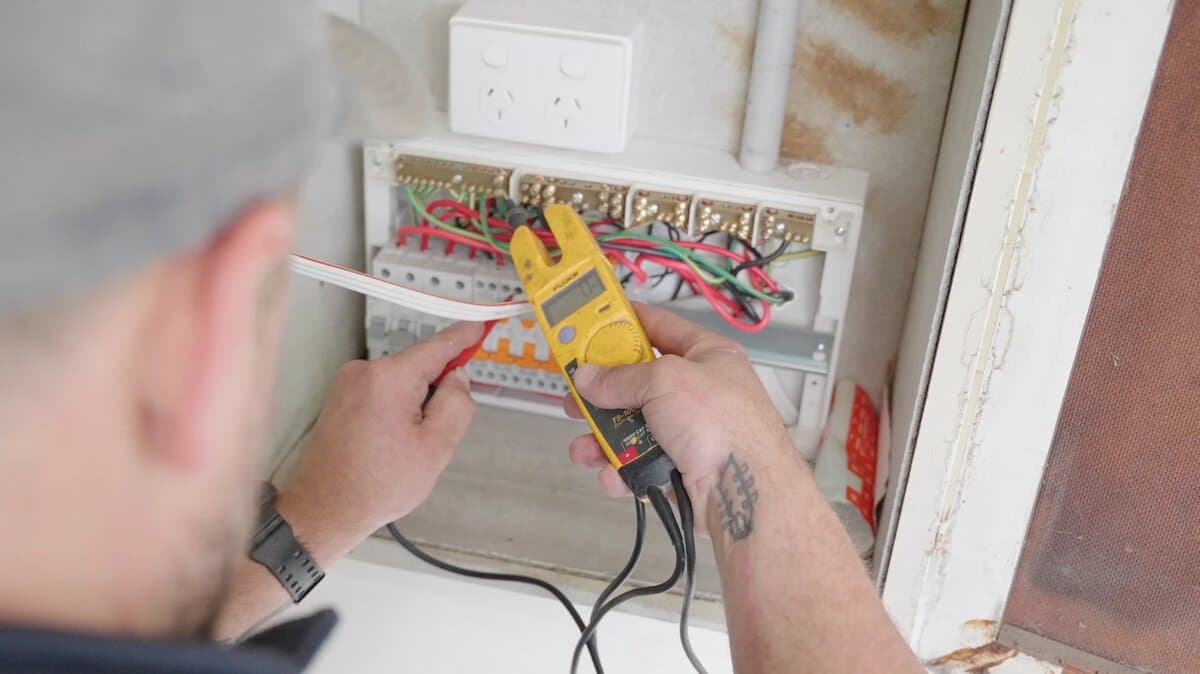
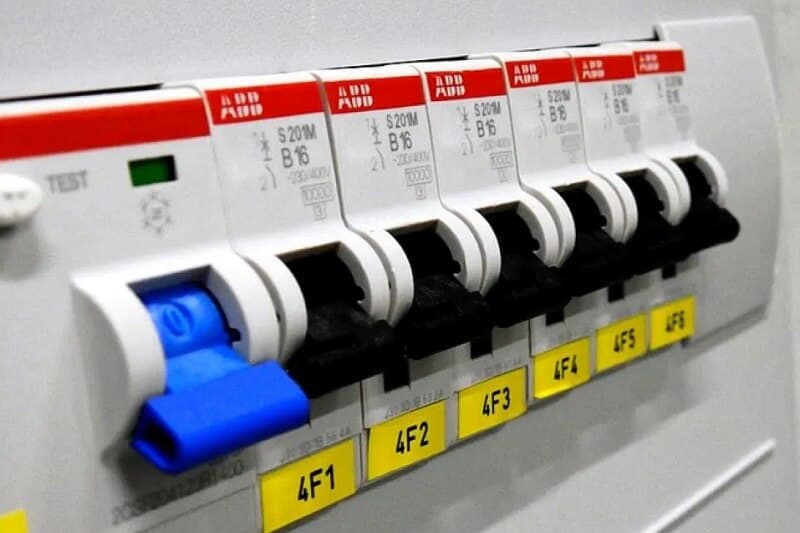
A single trip can be caused by a momentary overload. Repeated tripping on the same circuit usually means there is a persistent problem: an overloaded circuit, a wiring fault, or a failing appliance pulling too much current. If resetting the breaker does not fix it, or if it trips again within a short time, switchboard work may be part of the solution.
2. Lights flicker without an obvious reason
A single flickering bulb is often just a loose globe or a failing fitting. But if multiple lights flicker at the same time, or the flickering gets worse when an appliance turns on, the issue could be loose wiring, a voltage drop, or an overloaded circuit. See lighting for more on when flickering needs attention.
3. Powerpoints feel warm or look discoloured
Heat, scorch marks, or cracking around outlets are signs of arcing, loose connections, or overloading behind the wall plate. Warm powerpoints should not be ignored. This is a common reason to investigate powerpoints work or broader fault finding before the issue escalates.
4. You notice a burning smell near an outlet or switchboard
If the smell seems electrical, treat it as urgent. An electrical burning smell can indicate melting insulation, arcing behind a wall, or a component overheating. Turn off power to the affected area if you can do so safely and contact an emergency electrician immediately.
5. The switchboard looks outdated
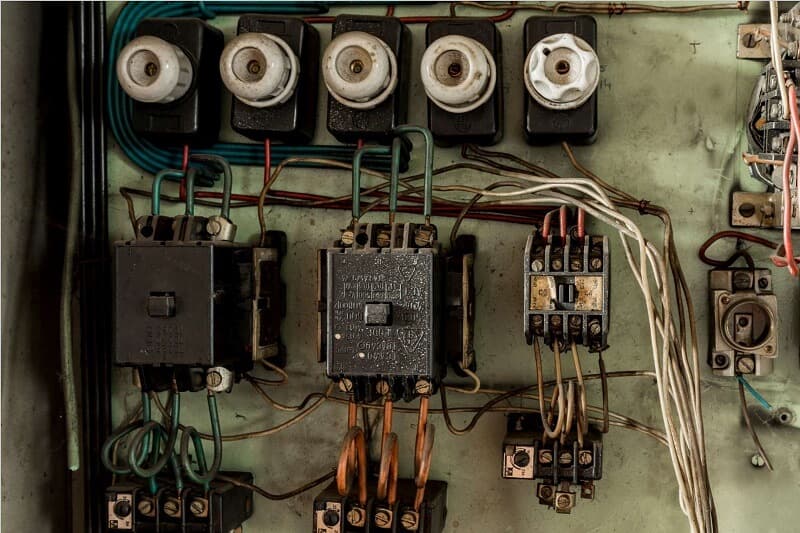
Older boards with ceramic fuses, missing safety switches, or messy wiring are all good reasons to book an inspection. A switchboard that was installed decades ago may not have the capacity or safety features needed for the way the property is used today. Properties built before 1990 are especially worth checking.
6. Safety switches keep tripping
Safety switches (RCDs) are doing their job when they trip, but repeated tripping usually means there is a real issue somewhere in the circuit. Common causes include moisture in an outdoor fitting, a faulty appliance, or degraded wiring. The switch is protecting you from a shock hazard, and the cause needs to be found rather than just reset.
7. You rely on extension leads and power boards constantly
Too few outlets can create both a practical and a safety problem. Overloading power boards is a common cause of overheating and tripped circuits. If the house or workplace constantly depends on extension leads, it may be time to install additional powerpoints rather than running temporary solutions.
8. Smoke alarms are old, missing, or unreliable
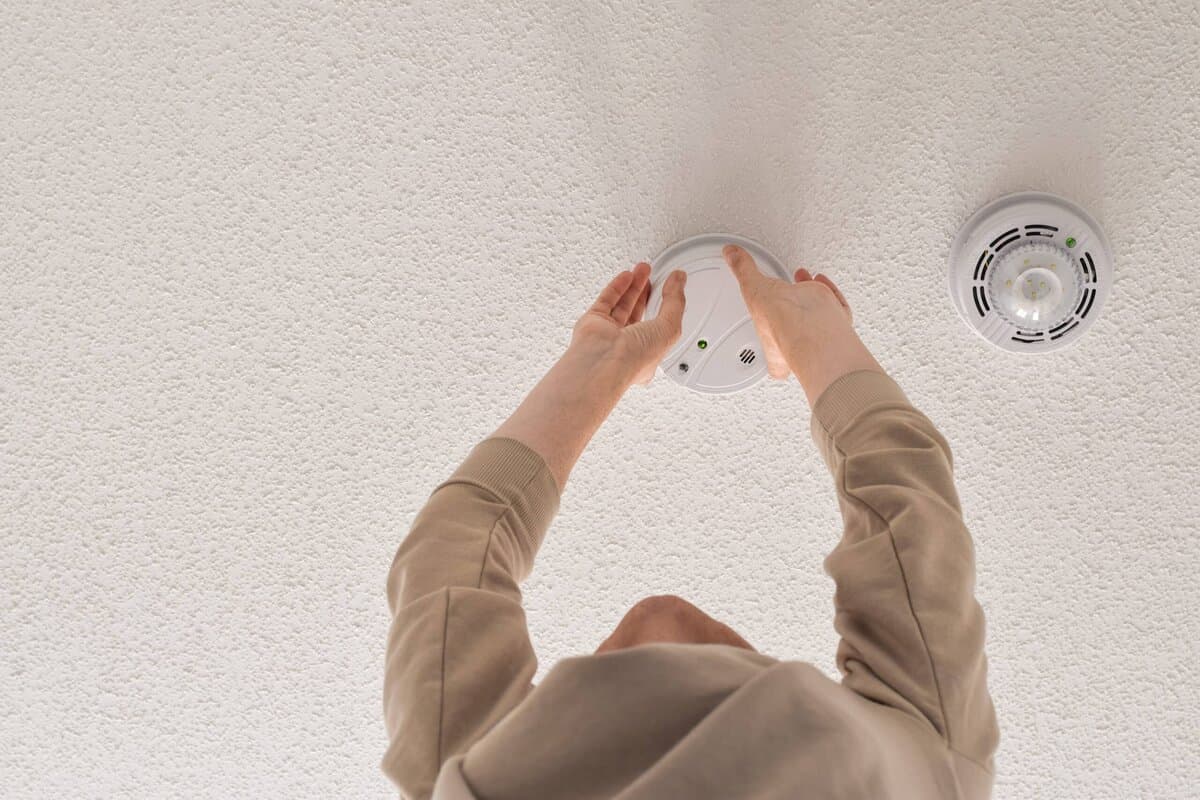
Smoke alarms have a limited service life, typically around 10 years. Alarms that chirp randomly, fail to respond to test button presses, or look visibly aged should be replaced. This is not just a maintenance item. See smoke alarms for more on compliance and replacement.
9. A recent renovation changed the electrical load
New appliances, added rooms, solar panels, air conditioning, EV chargers, and extra circuits can all change how the electrical system performs. If the switchboard and wiring were not reviewed after the renovation, they may be undersized for the new demand. This is a common issue in properties where kitchen, bathroom, or extension work was done without a full electrical review.
10. You cannot remember when the system was last inspected
If you cannot confidently say when the electrical system was last checked by a licensed electrician, that alone is a reason to have it inspected. Wiring degrades over time, connections loosen, and components wear out. A property that has gone 10 or more years without an inspection is overdue.
What an inspection should cover
A practical electrical inspection usually looks at:
- Switchboard condition, circuit breakers, and safety switches.
- Visible wiring condition in accessible areas (roof space, subfloor, switchboard).
- Powerpoints, light switches, and fittings for damage, heat, or wear.
- Safety switch operation and response time.
- Smoke alarm placement, age, and function.
- Any signs of overload, poor previous work, or non-compliant modifications.
- Whether the system has adequate capacity for how the property is currently used.
When to act immediately
If you notice heat, smoke, arcing, repeated tripping, or a burning smell, do not wait for a scheduled inspection. Call an electrician and describe the symptoms. These are signs of an active fault that could be dangerous.
For less urgent issues, booking a proper inspection means the problem can be understood and explained before it turns into a bigger, more expensive repair.
What to do next
If you are on the Central Coast and your property is showing any of these signs, contact AB Electrical with the suburb and a short description of the issue. Include photos of the switchboard or affected fittings if possible.
Related Articles
Electrical Red Flags to Check in an Older Home
Older homes can hide outdated circuits, switchboards, and safety issues. This guide covers what to look for before you buy or renovate.
NSW Smoke Alarm Rules: What Property Owners Need to Know
A current overview of why smoke alarm compliance matters, what to review, and when it is worth organising an electrician to update the setup.
Why Circuit Breakers Keep Tripping
Repeated tripping is usually a sign of a real fault or overload. This guide explains the common causes and when to stop resetting the breaker.