
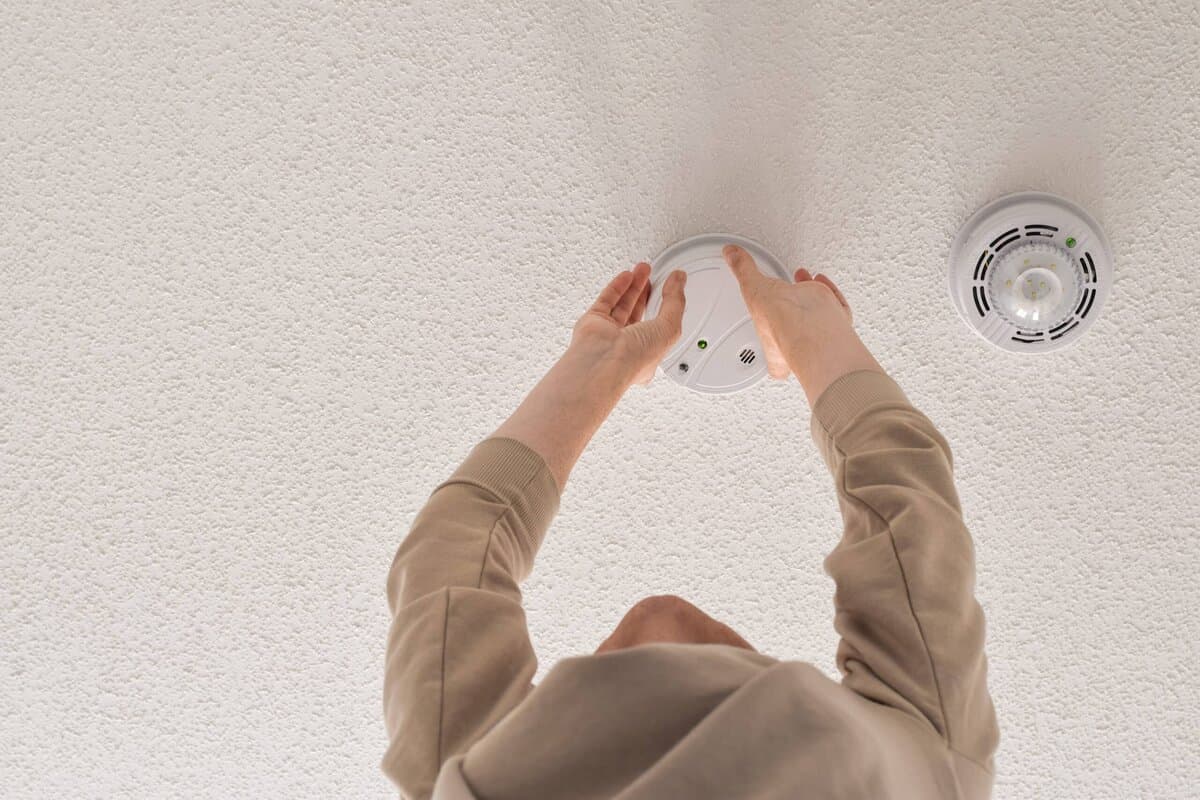
Smoke alarm compliance in NSW is about early warning and escape time, not just ticking a regulatory box. If the alarms are old, missing, badly placed, or not working properly, the property is taking an unnecessary safety risk.
This guide covers the practical side: what to check, what the common problems are, and when it makes sense to get an electrician involved. If you need a final compliance check for a specific property, it is best to get a licensed electrician to review the setup directly.
What NSW requires
While the specific rules depend on property type and when it was built or renovated, the general requirements in NSW include:
- Smoke alarms must be installed on every level of a home.
- Alarms should be positioned in hallways or areas between bedrooms and the rest of the property.
- Alarms must be working and maintained in proper condition.
- When a property is sold or leased, the alarms must comply with current requirements at the time of the transaction.
- Renovations that require development approval can trigger a requirement to upgrade the alarm system to current standards.
The details vary depending on property age, type, and the scope of any recent work. AB Electrical can advise on the specific requirements for your situation.
What to review on your property
Property owners should check:
- Whether smoke alarms are installed in every required location, including hallways, bedrooms, and each level of the property.
- Whether the alarms are working. Press the test button. If there is no response, the unit needs attention.
- Whether the alarms are within their service life. Most alarms have a manufacture date printed on the unit. If it is more than 10 years old, it should be replaced.
- Whether the alarms are the right type. Photoelectric alarms are the recommended type for most residential installations in NSW.
- Whether recent renovations have changed the layout in a way that affects alarm placement or coverage.
Common problems
The most common smoke alarm issues are not complicated, but they are frequently overlooked:
- The alarm is present but does not work. Flat batteries, disconnected wiring, or a unit past its service life.
- The alarm is too old. Smoke alarms degrade over time. A 15-year-old alarm may not respond reliably in a fire.
- Coverage gaps after a renovation. Adding rooms, moving walls, or converting spaces can leave areas without adequate coverage.
- Poor placement. Alarms installed too close to kitchens, bathrooms, or air vents can trigger nuisance alerts, leading people to disconnect them.
- Mixed systems. A property with a combination of old battery-only units and newer hardwired alarms may not function as a properly interconnected system.
If any of that sounds familiar, smoke alarm work is worth checking sooner rather than later.
Homeowners vs landlords
For homeowners, smoke alarms are primarily about protecting the people in the house. Regular testing and timely replacement are the main responsibilities.
For landlords and property managers, the obligations are more specific. Alarms must be tested, maintained, and compliant at the start of each new tenancy. If the property is older, this often means upgrading from battery-only units to hardwired, interconnected photoelectric alarms.
If the property has older electrical work, it is practical to review the alarms at the same time as the switchboard and broader residential electrician work. Combining jobs reduces cost and disruption.
Hardwired vs battery smoke alarms
- Battery-only alarms are cheaper to install but need regular battery replacement and do not interconnect easily. They are common in older properties.
- Hardwired alarms connect to the property's electrical system and usually include a battery backup. They can be interconnected so that when one alarm detects smoke, all alarms in the property sound.
- Interconnected systems provide faster warning throughout the property, which is especially important in larger homes or multi-storey layouts.
Upgrading from battery to hardwired alarms requires a licensed electrician to run wiring and connect the units to the switchboard.
When to bring in an electrician
It makes sense to call AB Electrical when:
- Alarms need replacing and you want hardwired, interconnected units installed.
- The property has had a renovation and alarm placement needs reviewing.
- You are unsure whether the current setup meets NSW requirements for your property type.
- The alarms are connected to broader electrical issues, such as circuits that trip when the alarm is tested.
- You are preparing a property for sale or lease and need to confirm compliance.
What the job usually involves
A smoke alarm upgrade typically includes:
- Assessing the current alarm locations and condition.
- Removing old or non-compliant units.
- Running wiring for hardwired alarms where needed.
- Installing new photoelectric alarms in the required locations.
- Testing interconnection so all alarms sound together.
- Issuing a compliance certificate if required.
What to do next
Test your alarms, note any faults or units that look old, and ask for a proper inspection if anything seems inconsistent. If you want AB Electrical to review the setup, send an enquiry with the property type, suburb, and the number of alarms currently installed.
Related Articles
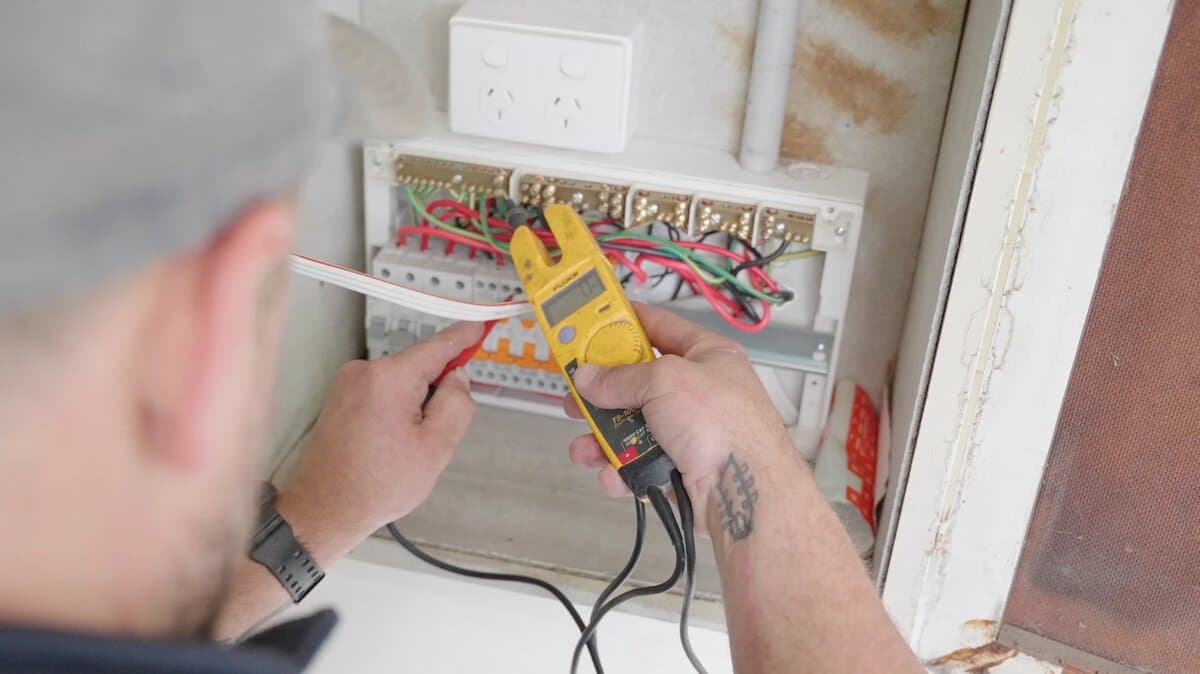
10 Warning Signs Your Property Needs an Electrical Inspection
Know the common warning signs that point to unsafe wiring, overloaded circuits, switchboard issues, or electrical wear that should be checked sooner rather than later.
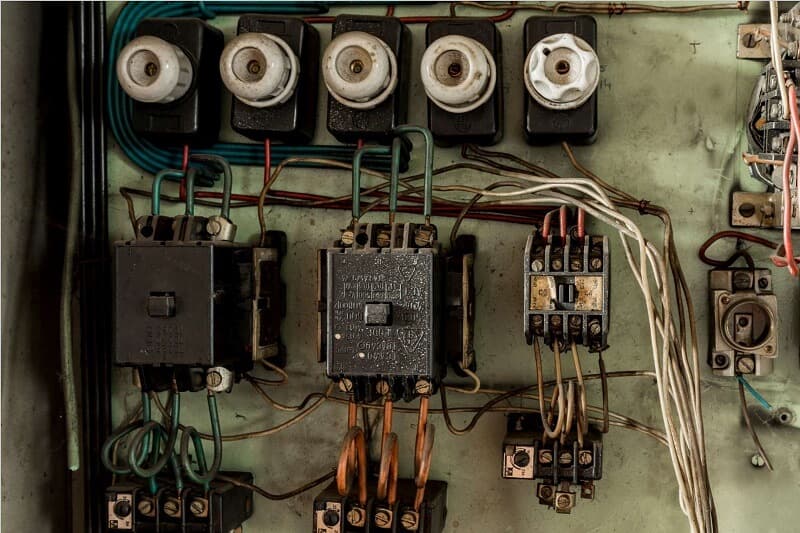
Electrical Red Flags to Check in an Older Home
Older homes can hide outdated circuits, switchboards, and safety issues. This guide covers what to look for before you buy or renovate.
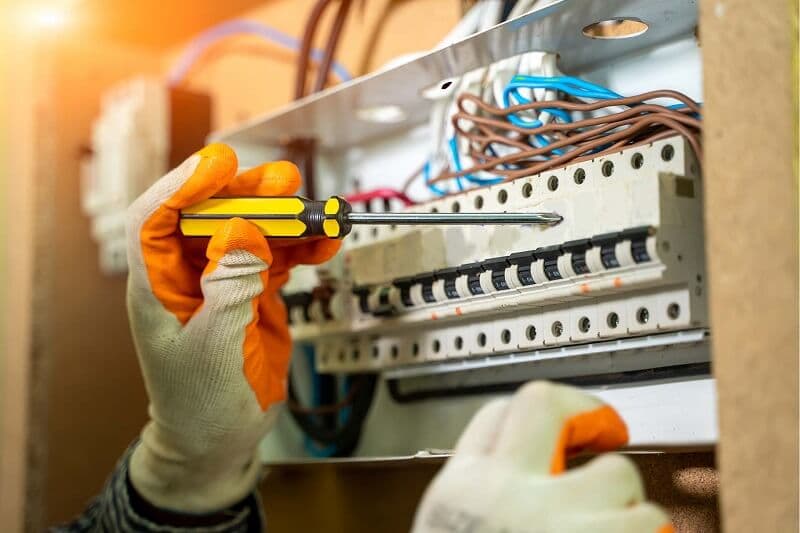
DIY vs Professional Electrical Work in NSW
A simple guide to why electrical work is not the place to guess, and why getting the right licensed help matters for safety and compliance.