
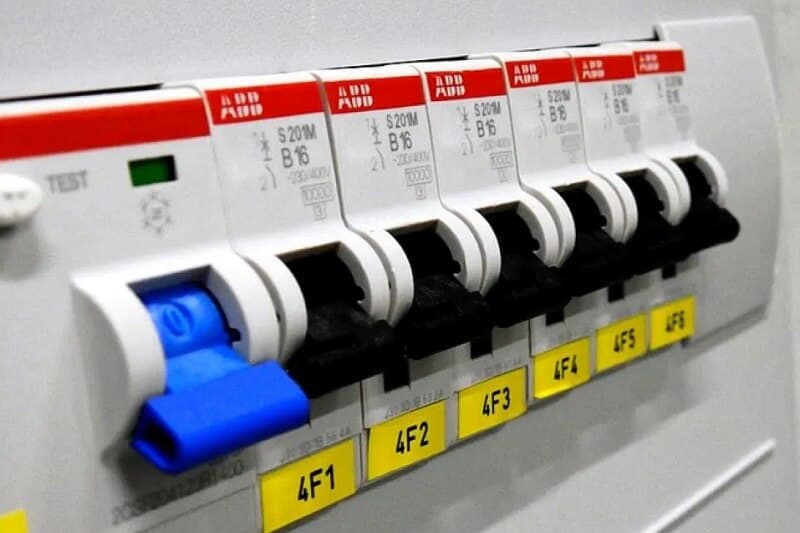
A circuit breaker that keeps tripping is protecting you from a real problem. Repeated tripping usually means there is a fault, an overload, or an appliance issue that the breaker is detecting and shutting down before it causes damage.
The main mistake people make is resetting the breaker over and over without finding out why it tripped in the first place. If the cause is still there, the breaker will trip again, and forcing it back on repeatedly can overheat wiring or damage the breaker itself.
How circuit breakers work
A circuit breaker is a safety device that automatically cuts power to a circuit when it detects a problem. There are two main types in a residential switchboard:
- Circuit breakers (MCBs) protect against overloads and short circuits. They trip when the current flowing through the circuit exceeds the breaker's rated capacity.
- Safety switches (RCDs) protect against earth leakage faults, which are the type of fault that can cause electric shock. They trip when they detect current flowing to earth instead of through the normal circuit path.
Both types are designed to trip. That is their job. The question is always why they tripped, not how to stop them from tripping.
Common causes of repeated tripping
Circuit breakers often trip because of:
- Too many devices on one circuit. Running a heater, a kettle, and a toaster on the same circuit can exceed the breaker's capacity.
- A faulty appliance. A failing motor, a damaged heating element, or a worn power lead can draw excessive current or leak to earth.
- Damaged wiring or a loose connection. Wiring that has been nicked, rodent-chewed, or loosened at a terminal can create intermittent faults.
- Moisture or water ingress. Outdoor fittings, bathroom circuits, or underground wiring exposed to moisture can cause earth leakage that trips safety switches.
- A worn or faulty breaker. Breakers can degrade over time and trip at lower thresholds than they should. This is more common in older switchboards.
- Switchboard issues. Incorrect breaker ratings, poor wiring at the board, or a switchboard that was never designed for the current load can all cause nuisance tripping.
If the tripping seems random or keeps returning, a switchboard inspection is a sensible next step.
What to check before calling an electrician
Before you call, note these details so the electrician can narrow down the cause faster:
- Which breaker tripped. Check the label on the switchboard to identify which circuit is affected.
- What appliances were running at the time. This helps identify whether the issue is an overload or a specific device.
- Whether the problem returns when the same appliance is plugged in. If the breaker trips every time you use a particular device, that device is likely the cause.
- Whether there was any smell, heat, or visible damage. These symptoms change the urgency of the response.
- Whether the tripping happens at a specific time of day. This can indicate a load pattern or an appliance on a timer.
How to reset a circuit breaker safely
If a breaker has tripped:
- Turn off or unplug any appliances that were running on the affected circuit.
- Flip the breaker firmly to the off position first, then back to on.
- If it holds, reconnect appliances one at a time to identify the trigger.
- If it trips again immediately, leave it off and call an electrician.
Do not keep forcing a breaker that trips instantly. This is a sign of a hard fault that needs professional diagnosis.
When it is urgent
Treat the issue as urgent if:
- The breaker trips immediately after being reset, every time.
- There is a burning smell at the switchboard or at any outlet on the circuit.
- The switchboard or a breaker feels hot to touch.
- The same circuit keeps failing with no obvious change in load.
- There is visible arcing, sparking, or scorch marks.
In those cases, contact an emergency electrician rather than continuing to troubleshoot.
What not to do
Do not keep forcing the breaker back on. Each reset re-energises the fault.
Do not add more appliances to the same circuit to test whether it was just a one-off.
Do not assume the breaker itself is the only possible problem. Repeated tripping can point to wiring faults, appliance issues, or switchboard problems that are not visible at the board.
Do not replace a breaker with a higher-rated one to stop the tripping. The breaker rating is matched to the wiring capacity. A higher-rated breaker allows more current than the wiring can safely handle, which is a fire risk.
What an electrician will do
AB Electrical can diagnose the cause using circuit testing equipment, explain the likely options, and then fix the underlying issue rather than just resetting the breaker. Depending on the result, the repair may involve the switchboard, powerpoints, wiring repairs, or replacing a faulty appliance connection.
What to do next
If the breaker has tripped once and you know the cause, make a note and monitor it. If it keeps happening, stop resetting it and contact AB Electrical with the suburb, which breaker is affected, and what you observed.
Related Articles
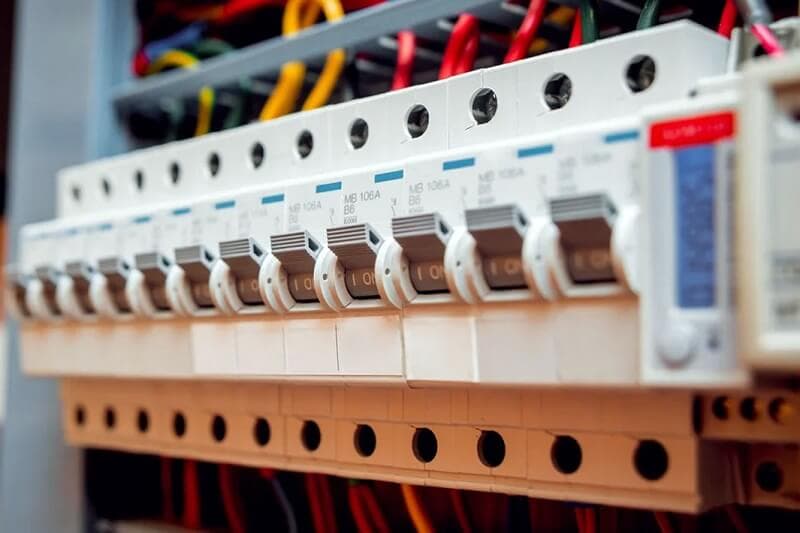
When a Switchboard Upgrade Is Worth Doing
Understand the signs that a switchboard may be outdated, overloaded, or no longer suited to the way the property is used.
What to Do When the Power Goes Out
A straightforward emergency guide covering what to check first, when to stop troubleshooting, and when to call an emergency electrician.
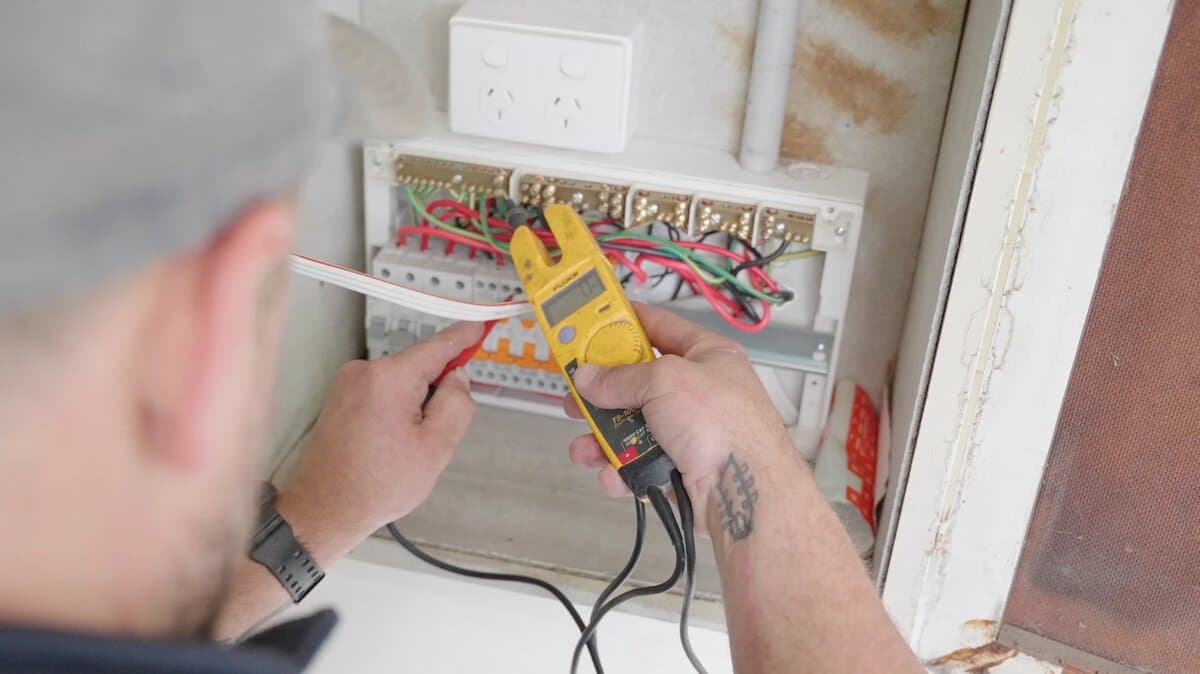
10 Warning Signs Your Property Needs an Electrical Inspection
Know the common warning signs that point to unsafe wiring, overloaded circuits, switchboard issues, or electrical wear that should be checked sooner rather than later.