
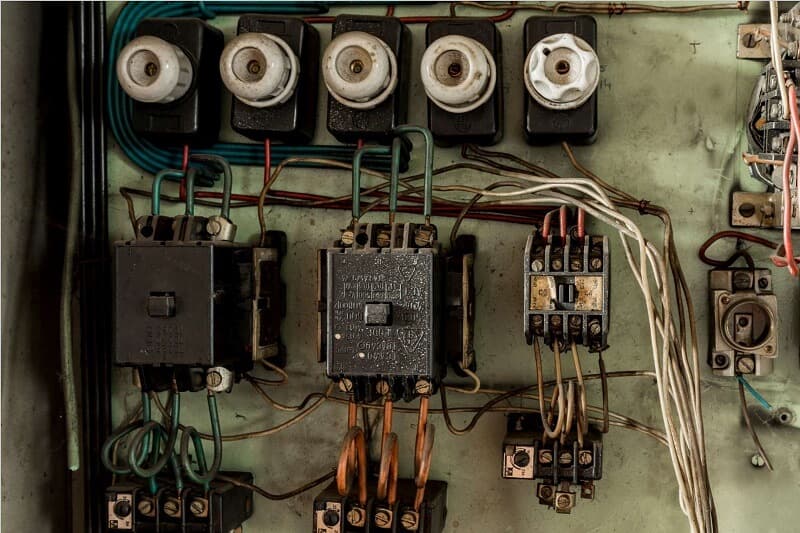
Older homes can be great to live in, but they often hide electrical problems that are not obvious during a quick walk-through. Wiring degrades over time, switchboards fall behind modern standards, and the electrical load a property carries today is usually far greater than what it was designed for.
If you are buying, renovating, or simply maintaining an older property on the Central Coast, it is worth knowing what to look for and what to prioritise.
Common electrical red flags
Watch for these signs that the electrical system may need attention:
- Outdated switchboards. Ceramic fuses, no safety switches, limited circuit capacity, or a board that looks visibly aged.
- Too few powerpoints. Older homes were built for fewer appliances. If every room relies on power boards and extension leads, the property needs more outlets.
- Old lighting fittings. Bakelite fittings, exposed wiring at ceiling roses, or fixtures that no longer hold a bulb properly.
- Scorch marks or heat around outlets. Discolouration, cracking, or warmth at a powerpoint is a sign of arcing or overloading behind the wall plate.
- Repeated tripping or unexplained faults. Circuits that trip regularly suggest wiring that is degraded, overloaded, or incorrectly configured.
- Smoke alarms that are old or missing. Properties built before modern smoke alarm requirements may not have adequate coverage.
- Aluminium wiring. Some homes built in the 1960s and 1970s used aluminium wiring, which is more prone to overheating at connections than copper.
- Cloth-insulated or rubber-insulated wiring. These older insulation types degrade over time and can become brittle, cracked, and exposed.
These are the kinds of issues that can point to broader residential electrician work.
What to check before buying an older property
If you are inspecting an older home before purchase, ask these questions:
- Has the switchboard been upgraded? A modern board with circuit breakers and safety switches is a good sign. Ceramic fuses are a red flag.
- Are safety switches installed on all circuits? Many older properties only have a safety switch on the lighting circuit, or none at all.
- Are the smoke alarms current and working? Check the manufacture date. If the alarms are more than 10 years old, they need replacing.
- Has any major rewiring been done? Ask for compliance certificates or records of previous electrical work.
- Are there enough powerpoints for modern use? Count the outlets and check whether the property relies heavily on power boards.
- Is there any visible wiring damage? Check the roof space, subfloor, and switchboard for exposed, damaged, or deteriorating cables.
- Has a licensed electrician reviewed the property recently? If the seller cannot provide evidence of a recent inspection, consider booking one before settlement.
A pre-purchase electrical inspection can identify problems that a standard building inspection may miss, and it gives you a clear scope of any work needed before you move in.
Signs the home needs immediate attention
Treat the property as higher risk if you notice:
- A burning smell near outlets, switches, or the switchboard.
- Old or damaged electrical fittings that are warm, loose, or visibly degraded.
- Lights flickering across multiple rooms simultaneously.
- Powerpoints that are warm to touch, discoloured, or recessed from the wall.
- Breakers that keep tripping without an obvious cause.
- Buzzing or humming sounds from the switchboard or wall fittings.
If those signs are present, an emergency electrician assessment or switchboard inspection should be the next step, not a wait-and-see approach.
Why older homes need a different electrical approach
Older properties were built for a different era of electrical demand. A home from the 1960s might have been wired for a few lights, a stove, and a hot water system. Today, the same house may be running air conditioning, multiple computers, a home theatre, an EV charger, a dishwasher, a dryer, and dozens of devices on charge.
That mismatch between the original wiring capacity and the current demand is the root cause of most electrical problems in older homes. It is also why a repair-only approach often falls short. Fixing one tripping breaker does not solve the underlying capacity issue.
Common upgrades for older properties
The most common electrical work in older homes includes:
- Switchboard upgrades. Replacing ceramic fuses with modern circuit breakers and installing safety switches on all circuits. See switchboards.
- Additional powerpoints. Adding outlets where they are needed so the property does not rely on extension leads and power boards. See powerpoints.
- Rewiring. Replacing old, degraded, or non-compliant wiring in part or all of the property. This is the most significant job but sometimes the only proper fix.
- Smoke alarm upgrades. Installing hardwired, interconnected photoelectric alarms to meet current requirements. See smoke alarms.
- Lighting upgrades. Replacing old fittings with modern LEDs and ensuring the wiring and switches are in good condition. See lighting.
- Safety switch installation. Adding RCDs to circuits that are not currently protected.
Prioritising the work
Not everything needs to happen at once. A practical approach is:
- Safety first. Fix anything that is actively dangerous: burning smells, hot outlets, missing safety switches, non-working smoke alarms.
- Switchboard. If the board is outdated, this is usually the highest-value upgrade because it improves protection for every circuit in the property.
- Capacity. Add circuits and outlets where the property is most overloaded.
- Comfort and efficiency. Lighting upgrades, better outlet placement, and improved circuit layout.
An electrician can help prioritise the work based on the property's condition, your budget, and what will make the biggest difference to safety and usability.
What to do next
If you are about to buy or renovate an older home on the Central Coast, get the electrical system checked early. Contact AB Electrical with the suburb, the approximate age of the property, and any symptoms you have noticed so the enquiry can be handled properly.
Related Articles
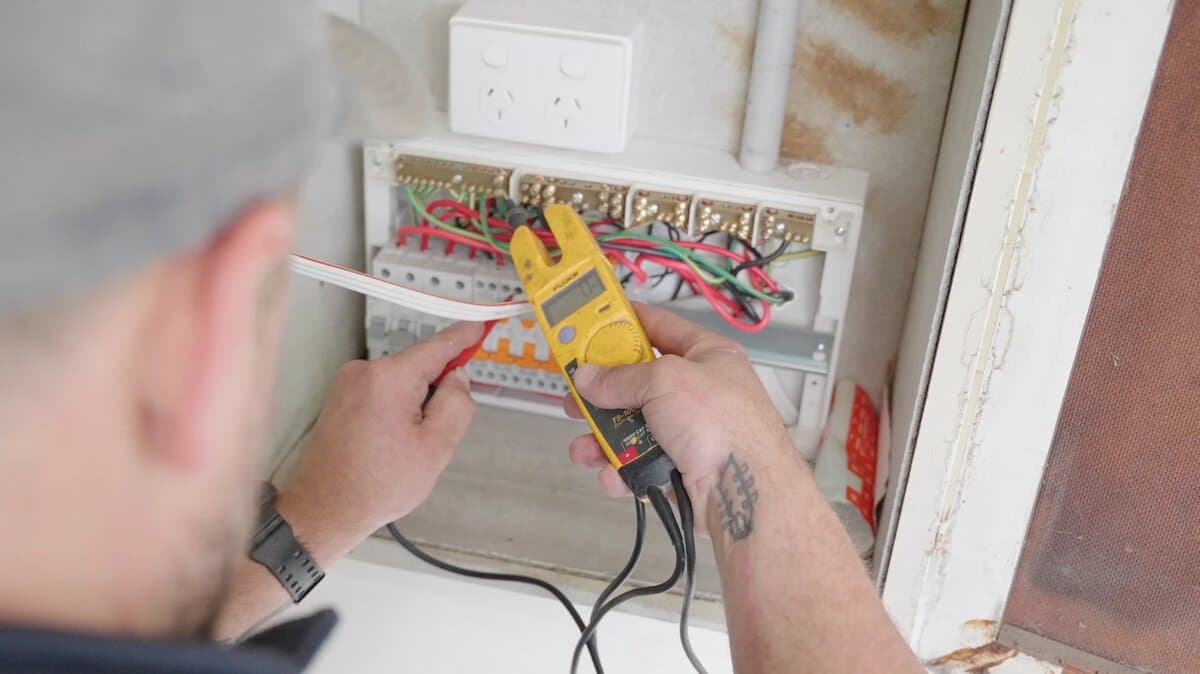
10 Warning Signs Your Property Needs an Electrical Inspection
Know the common warning signs that point to unsafe wiring, overloaded circuits, switchboard issues, or electrical wear that should be checked sooner rather than later.
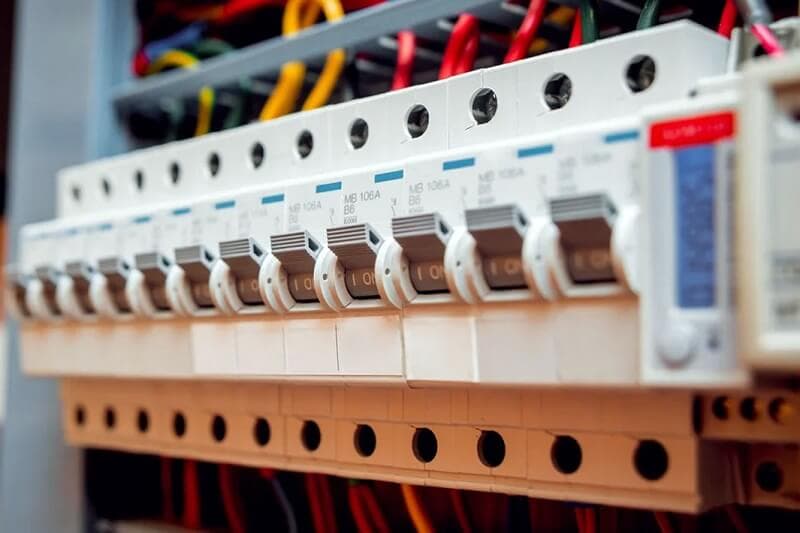
When a Switchboard Upgrade Is Worth Doing
Understand the signs that a switchboard may be outdated, overloaded, or no longer suited to the way the property is used.
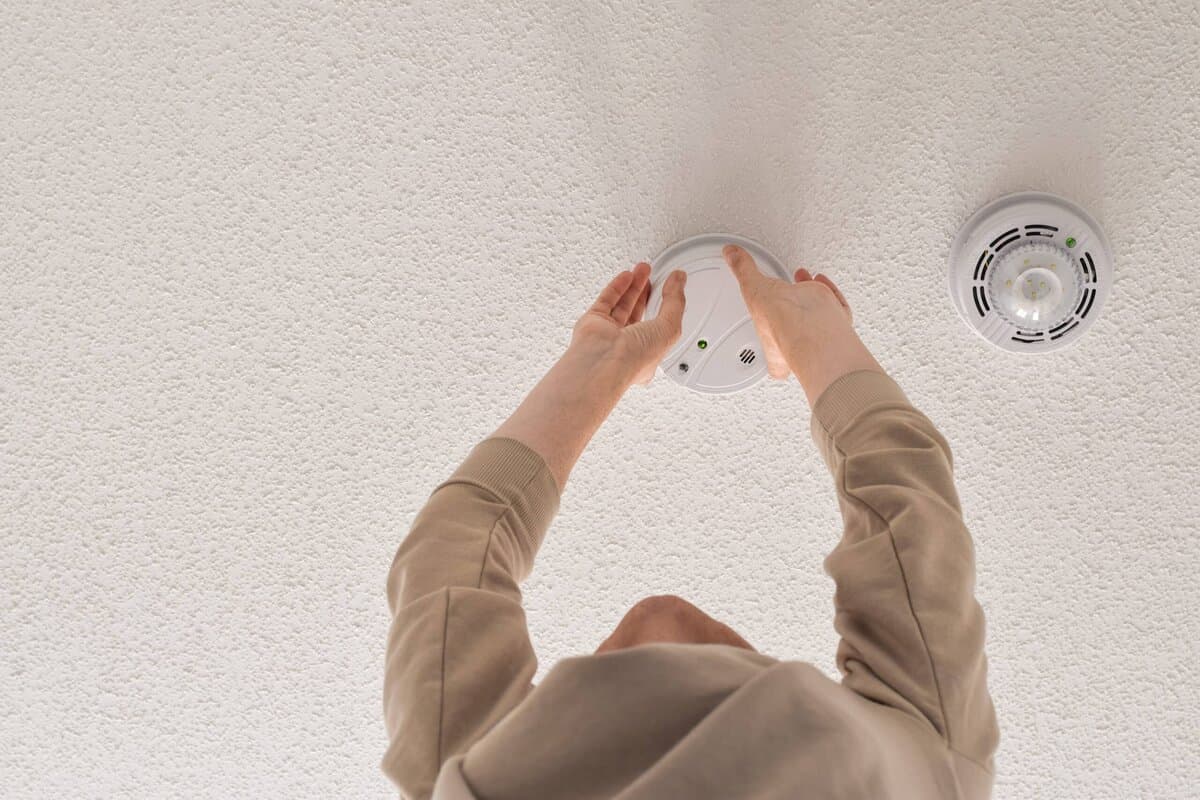
NSW Smoke Alarm Rules: What Property Owners Need to Know
A current overview of why smoke alarm compliance matters, what to review, and when it is worth organising an electrician to update the setup.