
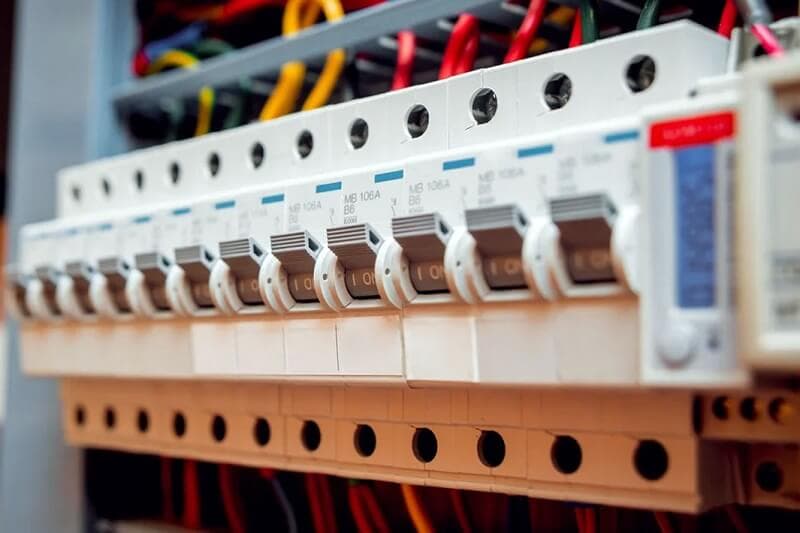
A switchboard upgrade is worth considering when the existing board is outdated, overloaded, or no longer suited to the way the property is used. The switchboard is the central control point for every circuit in the building, so its condition directly affects safety, reliability, and the property's ability to handle modern electrical loads.
This is not an optional cosmetic update. A failing or inadequate switchboard can cause repeated tripping, increase fire risk, and prevent the installation of new circuits for appliances, renovations, or additions.
Signs a switchboard upgrade may be needed
Common signs that the switchboard needs attention include:
- Repeated tripping. If breakers trip regularly, especially under normal load, the board may not have enough capacity or the breakers may be worn.
- Ceramic fuses instead of circuit breakers. Rewirable fuses are outdated and do not provide the same level of protection as modern circuit breakers. They are also harder to diagnose when something goes wrong.
- No safety switches (RCDs). Safety switches protect against electric shock by detecting earth leakage faults. Many older boards do not have them, or only have one covering the lighting circuit.
- Visible damage or poor condition. Cracked casing, burn marks, corrosion, or loose wiring at the board are all signs that the board needs professional assessment.
- Limited circuit capacity. If the board is full and there is no room to add new circuits, an upgrade is needed before any additional wiring work can be done.
- Frequent electrical issues across multiple rooms. If faults keep appearing in different parts of the property, the common factor may be the switchboard rather than individual fittings.
- The property was built before 1990. Boards from this era were designed for much lower electrical loads and fewer circuits than modern properties require.
If those issues are showing up, switchboard work is the right conversation to have.
What a switchboard upgrade involves
The exact scope depends on the property, but a typical residential switchboard upgrade includes:
- Assessment. Inspecting the existing board, wiring, and circuits to determine the current condition and what needs changing.
- Removing the old board. Disconnecting the existing fuses, breakers, and bus bars. If asbestos is present in the backing panel, it must be handled according to safety requirements.
- Installing the new board. Fitting a modern enclosure with DIN rail mounting for circuit breakers and safety switches.
- Installing circuit breakers. Each circuit gets an appropriately rated breaker. This is also the time to split overloaded circuits or add new ones.
- Installing safety switches. Modern boards should have safety switches covering all circuits, not just lighting.
- Labelling and testing. Every circuit is labelled clearly, tested for correct operation, and documented.
- Issuing a Certificate of Compliance. Required under NSW regulations for this type of prescribed electrical work.
Most residential switchboard upgrades are completed in a single visit, typically taking 3 to 5 hours depending on the size of the board and the condition of the existing wiring.
Why the switchboard matters for safety
The switchboard controls the protection for every circuit in the property. If the protection devices are outdated, incorrectly rated, or missing, the property is at higher risk of:
- Electrical fires. Fuses and breakers that do not trip quickly enough allow wiring to overheat.
- Electric shock. Without safety switches, a fault that sends current to earth (through a person, for example) may not be detected.
- Appliance damage. Voltage irregularities and unbalanced loads can damage sensitive electronics.
- Inability to add new circuits. Renovations, air conditioning, EV chargers, and solar systems all require additional circuits that an old board may not support.
When an upgrade becomes urgent
Treat the switchboard as urgent if:
- The board is hot to touch or there is a burning smell.
- A breaker trips immediately every time it is reset.
- There are visible burn marks, melted plastic, or arcing damage.
- The property has no safety switches at all.
- The board has been flagged by an inspector, insurer, or another electrician.
In those cases, emergency electrician support may be more appropriate than a standard booking.
Switchboard upgrades during renovations
Renovations are a natural trigger for switchboard work. Adding rooms, upgrading kitchens and bathrooms, installing air conditioning, or converting garages all increase the electrical demand on the property.
If the switchboard is not reviewed as part of the renovation, the new circuits may overload the existing board, cause nuisance tripping, or violate the electrical code. It is cheaper and less disruptive to upgrade the board at the same time as the renovation rather than retrofitting it later.
What happens if you do not upgrade
Ignoring a switchboard that needs attention usually leads to:
- More frequent faults and tripping as the system degrades.
- Higher repair costs as individual problems are fixed without addressing the root cause.
- Safety risk that increases over time as wiring ages and loads grow.
- Difficulty selling the property. Buyers, building inspectors, and insurers increasingly ask about switchboard condition and safety switch installation.
What to do next
If you are unsure whether the board needs repair or a full upgrade, send photos of the switchboard and a short description of the issues you have noticed. Contact AB Electrical or use the main switchboard service page to decide what fits best.
Related Articles
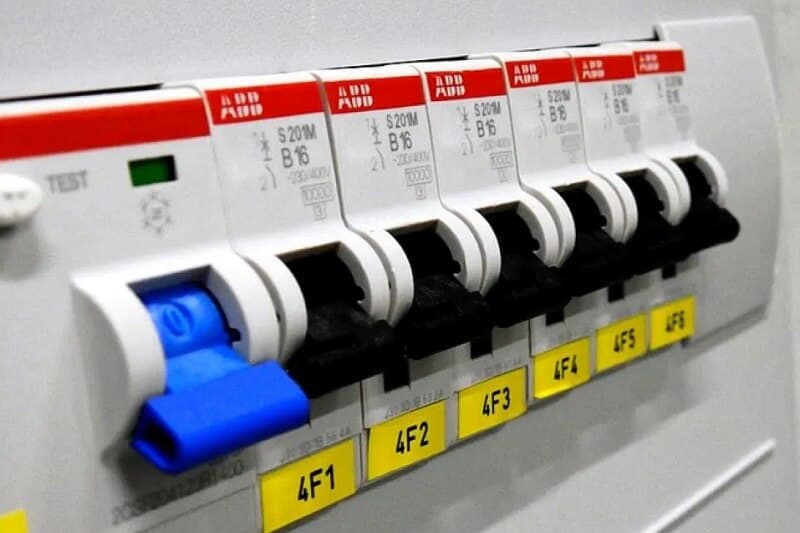
Why Circuit Breakers Keep Tripping
Repeated tripping is usually a sign of a real fault or overload. This guide explains the common causes and when to stop resetting the breaker.
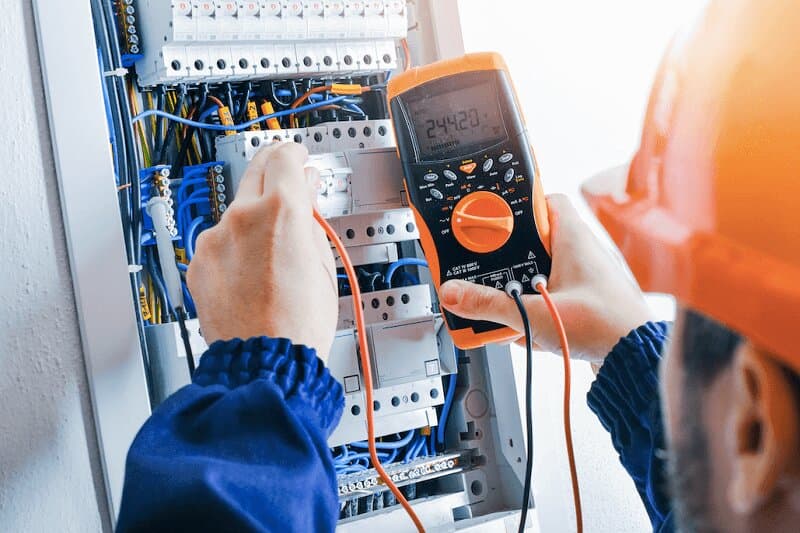
How Much Does an Electrician Cost on the Central Coast?
A practical guide to what affects electrician pricing, when urgency changes the job, and how to think about value rather than just hourly rate.
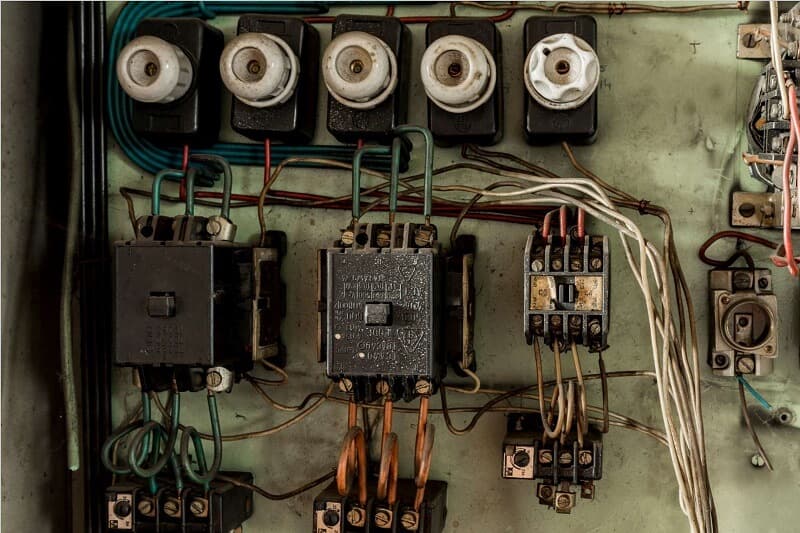
Electrical Red Flags to Check in an Older Home
Older homes can hide outdated circuits, switchboards, and safety issues. This guide covers what to look for before you buy or renovate.