
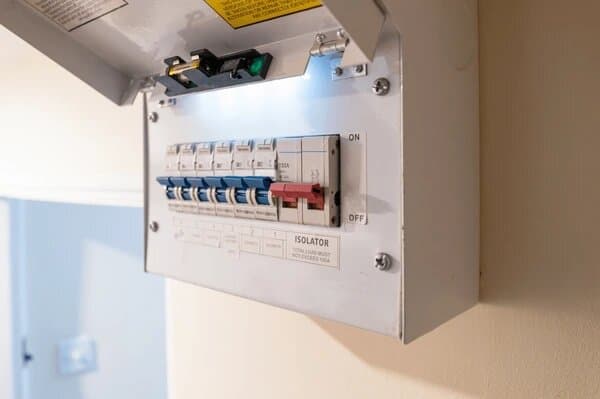
A switchboard upgrade is one of the highest-value electrical jobs a Central Coast homeowner can do, and it is also one of the jobs where the quote can vary wildly depending on what the existing board looks like and what the electrician finds once the cover comes off. This guide explains what drives the cost, what the typical ranges look like, and how to think about the decision without getting blindsided by the final number.
Why switchboard upgrades matter
The switchboard is the heart of the electrical system. It is where the incoming supply is distributed to the rest of the home, where overloads and faults should be cut off automatically, and where modern safety switches protect people from electric shock. A lot of Central Coast homes still have boards that were installed in the 1970s, 80s, or even earlier, and they were never designed for how much power a modern household actually uses.
Ceramic fuses, wooden backing boards, no RCDs, and circuits that run hot under normal household load are the classic warning signs. When a board like that finally fails, it usually fails hard — a repeated trip that will not reset, a burning smell from inside the enclosure, or a breaker that has quietly melted into its housing over a long period of time.
An upgraded board does three things at once: it makes the home safer (through RCD protection), it makes the system more reliable (through properly rated modern breakers), and it adds capacity for the kind of load today's households put on the circuits — multiple air conditioners, induction cooktops, EV chargers, and home offices running at the same time.
Typical Central Coast price ranges
The cost of a switchboard upgrade depends on the existing board, the property, the number of circuits, and whether any work needs to happen on the supply side (which brings a Level 2 electrician into the picture). As a general guide:
- Adding safety switches to an existing modern board — approximately $400 to $900. This is a straightforward job if the board has spare space and modern wiring.
- Partial upgrade with refresh and added RCDs — approximately $900 to $1,800. Suits homes where the board is tired but not unsafe, and needs modernising rather than replacing entirely.
- Full switchboard replacement in a standard home — approximately $1,800 to $3,500. The most common scenario. The old board comes out, a modern board goes in, every circuit is re-terminated and labelled, and the finished job includes full testing.
- Full replacement in a large or complex home — approximately $3,500 to $6,500. Homes with many circuits, difficult access, or older wiring that needs tidying add significantly to the scope.
- Switchboard repair for a single faulty breaker or RCD — approximately $280 to $650. A targeted fix rather than a full upgrade.
These are indicative ranges. The right price for a specific property depends on what the electrician finds once the cover is off.
What drives the final price
A few factors move the quote up or down:
- Age and condition of the existing board. Ceramic fuses, asbestos panels, wooden enclosures, or visible rodent damage all increase scope because the cleanup work is significant before the new board can go in.
- Number of circuits. More circuits means more terminations, more labelling, and more testing. A four-circuit 1970s board is a very different job from a twelve-circuit modern home.
- Whether new circuits are being added at the same time. Many homeowners use a switchboard upgrade as the moment to add dedicated circuits for air conditioning, a new kitchen, or an EV charger. Doing it at the same time is cheaper than coming back later.
- Level 2 involvement. If the consumer mains (the cable running from the street to the meter) also need upgrading, that pushes the job into Level 2 territory and adds network paperwork and additional scope.
- Access and enclosure location. Boards located in awkward positions, or that need to be relocated, cost more than a straight swap in a convenient spot.
- Temporary supply during the work. Most upgrades can be done in a day with a short isolation window, but larger jobs may need a temporary arrangement for the property to stay partially powered.
How an upgrade usually happens
A typical switchboard upgrade starts with an on-site visit to look at the existing board, photograph the condition, and talk through what the homeowner wants. A written quote follows, covering scope and price, and the work is scheduled for a day when the property can briefly be without power.
On the day, the electrician isolates the supply, removes the old board, installs the new enclosure, re-terminates every circuit, fits modern breakers and RCDs, labels everything clearly, and tests the whole system before re-energising. Most standard residential upgrades are completed in a single day, and the homeowner ends the day with a clean, labelled board and a written test record.
When to upgrade vs. when to repair
Not every switchboard problem needs a full replacement. A single failing breaker or RCD is usually a targeted repair. A one-off nuisance trip can often be traced to a specific circuit or appliance rather than the board itself. But some signs point clearly to upgrade rather than repair:
- The board has ceramic fuses or wooden backing.
- There are no safety switches, or only one safety switch for the whole house.
- Circuits trip repeatedly under normal household load.
- The board is visibly corroded, scorched, or damaged.
- There is insufficient capacity for the appliances the home now runs.
When several of those apply at once, upgrading is the right call. Spending money repairing a board that is already at the end of its life is rarely good value.
What to do next
If a switchboard upgrade is on the list for a Central Coast home, the fastest way to get an accurate price is a short site visit with photos of the existing board. Contact AB Electrical with the suburb and a photo of the current switchboard, and the quote comes back with a clear scope and a firm price before any work starts.
Related Articles
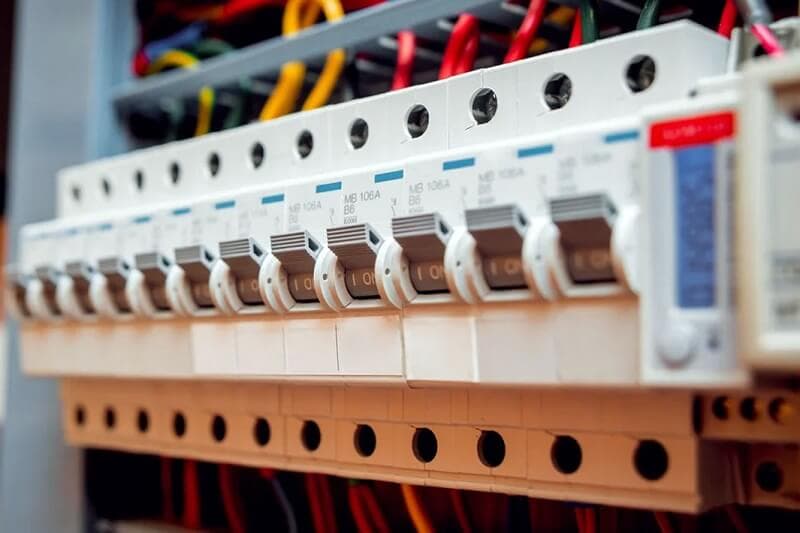
When a Switchboard Upgrade Is Worth Doing
Understand the signs that a switchboard may be outdated, overloaded, or no longer suited to the way the property is used.
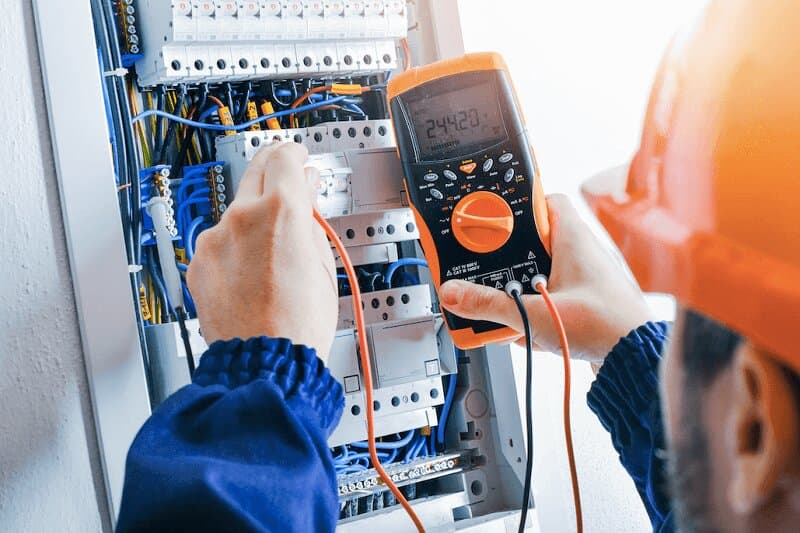
How Much Does an Electrician Cost on the Central Coast?
A practical guide to what affects electrician pricing, when urgency changes the job, and how to think about value rather than just hourly rate.
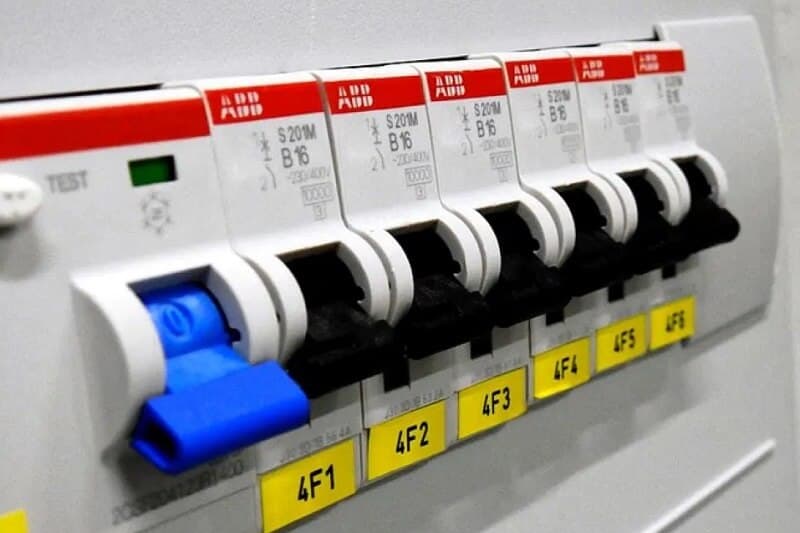
Why Circuit Breakers Keep Tripping
Repeated tripping is usually a sign of a real fault or overload. This guide explains the common causes and when to stop resetting the breaker.