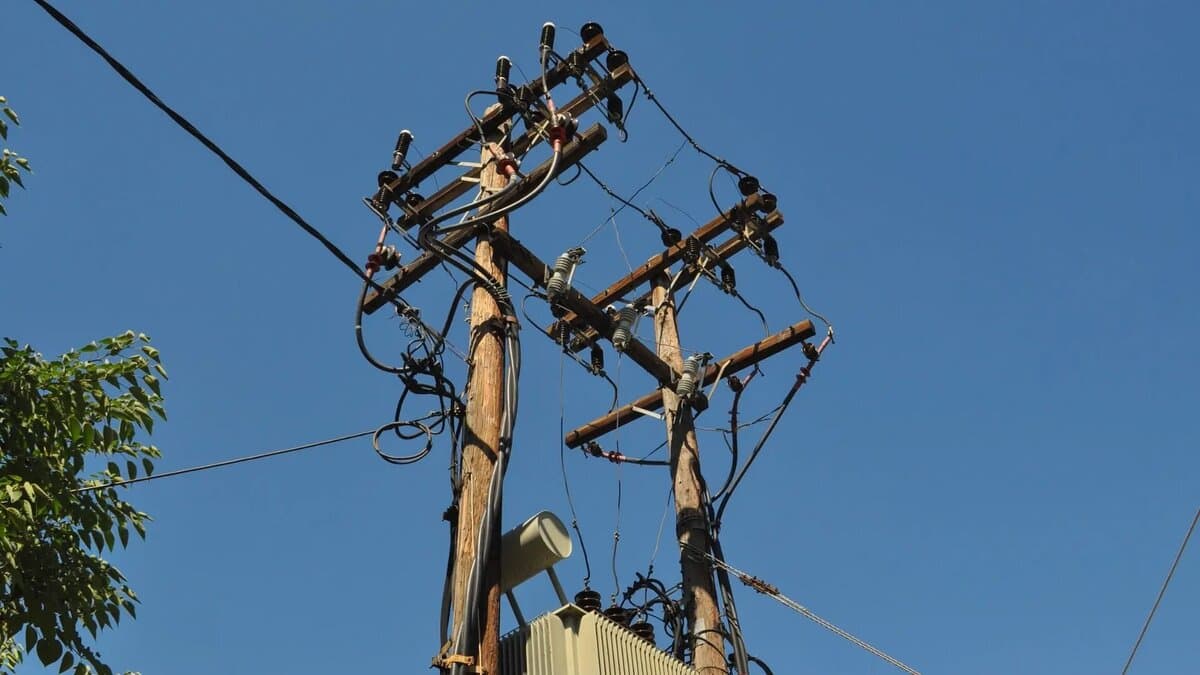
Central Coast storms hit the electrical grid hard. A single major storm can knock out hundreds of properties, damage service lines, take out switchboards through power surges, and leave residents standing in dark hallways trying to figure out whether the problem is on the network side or inside their own walls. This guide walks through what to check first after a storm, what counts as a real emergency, and when to call a 24/7 emergency electrician.
If you can see active sparking, smell burning, or the storm has caused visible damage to your switchboard or service line, stop reading and call 000 first if there's fire risk, then call AB Electrical on 0405 343 343. A licensed Central Coast electrician will be on-site within 60 minutes and will isolate the fault before it spreads.
Storm damage falls into two categories
Knowing which category you're in changes who you call and what happens next:
Category 1 — Network-side damage (Ausgrid's responsibility):
- A power line down on the street
- A pole damaged by a fallen tree
- A substation outage affecting multiple properties
- Damage to the supply line BEFORE it reaches your meter
For these, the network provider (Ausgrid on the Central Coast) is responsible for the repair. You report it via the Ausgrid outage line (131 388) and wait for crews. An electrician cannot work on the network side of the meter unless they hold Level 2 ASP accreditation.
Category 2 — Property-side damage (an electrician's job):
- Your switchboard tripped during the storm and won't reset
- A power surge has damaged appliances or circuits inside the property
- Lightning has struck near the property and circuits are now intermittent
- A roof leak has reached the wiring or a fitting
- A tree branch has fallen on the supply line where it enters your property
- A fitting is now sparking, smoking, or buzzing after the storm
For these, you need a licensed emergency electrician. AB Electrical handles all of category 2 and, where the damage straddles both sides of the meter, coordinates with the network provider on your behalf.
How to tell which category you're in
A few quick checks before calling anyone:
- Is the rest of the street out too? If your neighbours have no power either, it's almost certainly a network outage. Wait for Ausgrid.
- Is just your property out? It's more likely to be a property-side fault. The switchboard, an internal circuit, or the consumer mains (the cable from the pole to the meter box) is the likely cause.
- Did you hear or see a strike? Lightning strikes can damage circuits even when the property doesn't appear visibly damaged. Test a few circuits — if any are dead or behaving strangely, get an electrician to check the switchboard before turning things back on.
- Is there visible damage to the supply line? A sagging or downed cable from the pole to your house is dangerous and is Level 2 work — call AB Electrical and we'll coordinate with the network.
- Is anything inside the property warm, smoking, or smelling? That's a property-side fault. Don't wait. Call straight away.
Storm damage scenarios and what to do
Scenario 1: Power went out at the start of the storm and hasn't come back
Most likely cause: network outage. Check the Ausgrid outage map first. If your street is listed, wait for repair. If only your address is out, the safety switch in your switchboard probably tripped — try the switchboard first (carefully), and if it won't reset, call an electrician.
Scenario 2: Power came back after the storm but some circuits are dead
Most likely cause: a circuit-level fault triggered by the surge. The main supply is restored but one or more individual breakers have tripped and won't reset. Don't keep trying to reset them — that re-energises the fault. Call AB Electrical.
Scenario 3: There's a burning smell from the switchboard after the storm
Most likely cause: a damaged breaker, a melted connection, or an arcing fault inside the board. This is a same-night emergency. Turn off the main switch if it's safe, leave the immediate area, and call AB Electrical.
Scenario 4: A fitting has been water-damaged after a roof leak
Most likely cause: water has reached the wiring or a fitting. Even if it looks fine now, water inside a powerpoint or light fitting can cause arcing, electric shock, or fire days later. Treat the fitting as live, isolate the circuit at the switchboard if you know which one it is, and book an electrician for the same day.
Scenario 5: A tree branch has fallen on the power line to your property
Most likely cause: damage to the consumer mains. This is dangerous — the cable could be live and the branch is conducting. Stay clear, keep everyone away, call 000 if anything is sparking or smoking, then call Ausgrid (131 388) and AB Electrical. Both will coordinate the repair.
What you can safely check yourself
Some property-side checks are safe for anyone to do, even after a storm:
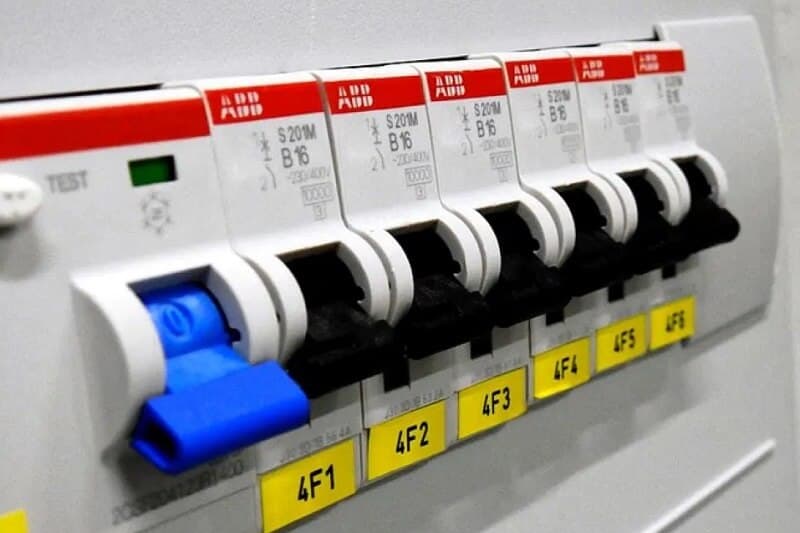
- Look at the switchboard from a safe distance. Are any breakers in the off (down) position? Is anything visibly damaged, scorched, or melted?
- Try resetting a single tripped breaker. Turn it fully off, then back on. If it holds, the fault was a one-off trip. If it trips again immediately, leave it off and call an electrician.
- Test a few outlets in different rooms to see whether the problem is one circuit or the whole property.
- Check that the main switch at the top of the board is in the on position — sometimes a major surge trips the main switch as well.
What you should never do after a storm:
- Touch any wiring, cable, or fitting that looks damaged
- Stand in standing water near electrical equipment
- Try to repair damaged switchboards or service lines yourself
- Keep resetting a breaker that won't hold
- Plug appliances in to test them on a circuit you suspect is faulty
What AB Electrical does on a storm callout
A typical storm-damage emergency callout follows a clear pattern:
- Phone triage — describe what you're seeing, what's working, what isn't. The electrician on the phone will tell you whether it's safe to wait or whether they need to come immediately.
- Arrival within 60 minutes — for most Central Coast addresses
- Isolate the affected circuit or supply — make the property safe before doing anything else
- Diagnose the root cause — test which circuits are damaged and what caused it
- Repair where possible on the first visit — replace damaged breakers, repair burnt connections, restore safe supply
- Coordinate with the network provider if needed — for damage on or near the supply line
- Written outcome — clear explanation of what happened, what was fixed, and whether any follow-up work is worth booking
Save the number before the next storm
The Central Coast gets several major storms a year. The single best preparation is to save 0405 343 343 in your phone now, before you need it, and bookmark the Central Coast emergency electrician page so you can reach AB Electrical quickly when something does happen.
If you're already in the middle of storm damage, stop reading and make the call.
Related Articles
What to Do When the Power Goes Out
A straightforward emergency guide covering what to check first, when to stop troubleshooting, and when to call an emergency electrician.
Burning Smell from a Powerpoint? Treat It as Urgent
A burning smell near an outlet is not something to ignore. Here is what it can mean, what not to do, and when to call for urgent help.
Why Circuit Breakers Keep Tripping
Repeated tripping is usually a sign of a real fault or overload. This guide explains the common causes and when to stop resetting the breaker.