
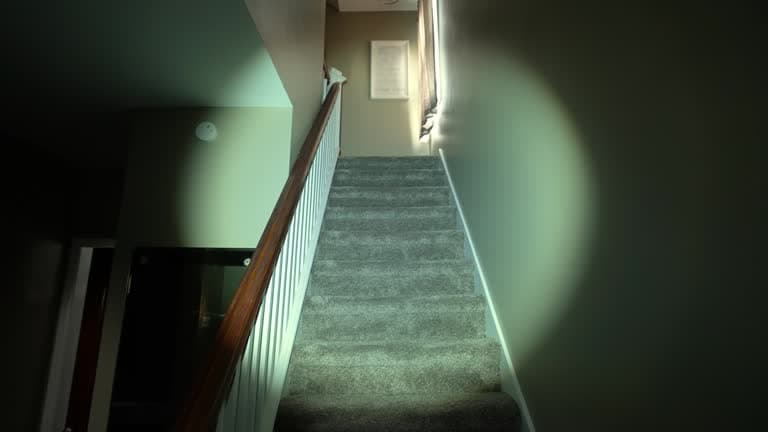
When the power goes out, the first thing to work out is whether the problem is on your property or part of a wider supply issue. That distinction decides whether you need to check the switchboard, wait for the network provider, or call an electrician.
Most power outages in homes are caused by a tripped safety switch, an overloaded circuit, or a faulty appliance rather than a network-wide failure. Knowing how to check safely can save time and help you explain the situation clearly if you do need to call for help.
First checks
Before you do anything else:
- Check whether neighbouring properties still have power. If the whole street is dark, it is likely a network issue.
- Look at the switchboard for any tripped breaker or safety switch. A switch that has moved to the middle or off position is the most common cause.
- Try resetting the tripped switch once. If it holds, the issue may have been a momentary overload or a faulty appliance.
- Turn off or unplug high-load appliances before resetting, especially heaters, air conditioners, or anything that was running when the power dropped.
- If you smell burning, see scorch marks, or notice heat at the switchboard, stop and call an emergency electrician immediately.
What not to do
Do not keep resetting a breaker that trips repeatedly. Each trip is the safety device doing its job. Forcing it back on without finding the cause can damage wiring or create a fire risk.
Do not open the switchboard or touch exposed wiring unless you are qualified and certain it is safe.
Do not assume the outage is harmless just because one room still has power. Partial outages can point to a real fault on a specific circuit, and the unaffected circuits are not evidence that everything is fine.
Do not use candles near the switchboard or in enclosed spaces while investigating. Use a torch.
When the issue is inside your property
The problem is more likely to be internal if:
- Only one section of the house is affected while other rooms still have power.
- A breaker or safety switch has clearly tripped at the switchboard.
- The outage started immediately after an appliance was plugged in or turned on.
- There is a burning smell, heat, or visual damage at a fitting or outlet.
- Neighbours on both sides still have power and streetlights are working.
In those cases, the safest next step is to leave the tripped switch off and contact an electrician to diagnose the fault properly.
When it is probably a supply issue
If the whole street is dark, the neighbours have no power, and there is no obvious fault at your switchboard, the issue is most likely on the network side. You can check your energy distributor's outage map or call their outage line to confirm.
Even after a network outage, it is worth checking your switchboard when supply returns. Surges during restoration can trip safety switches or, in rare cases, damage equipment.
Common causes of local power outages
When the outage is confined to your property, common causes include:
- Overloaded circuits. Running too many high-draw appliances on the same circuit, especially in older homes with fewer circuits.
- Faulty appliances. A failing appliance can create a short circuit or earth fault that trips the safety switch.
- Damaged outlets or fittings. Loose wiring, water ingress, or worn connections can cause intermittent faults.
- Switchboard issues. Aging circuit breakers can become unreliable and trip at lower thresholds than they should.
- Storm or impact damage. Lightning, fallen branches, and water entry can all cause sudden faults.
That is why switchboard inspections and fault finding work often sit behind what looks like a simple blackout.
After the power comes back
Once power is restored, whether by resetting the switch or after a network outage, check the following:
- Whether any appliance on the affected circuit seems damaged, smells unusual, or behaves differently.
- Whether the breaker feels warm or trips again shortly after being reset.
- Whether the same fault happens when you reconnect appliances one at a time.
- Whether your clocks, timers, or electronic devices need resetting, which can indicate a longer interruption than expected.
If the issue returns, do not keep testing. Book a proper diagnosis so the underlying cause can be found and fixed.
When to call an electrician
Call an electrician rather than continuing to troubleshoot if:
- The breaker trips again immediately after resetting.
- There is a burning smell, heat, or visible damage at the switchboard or any outlet.
- You cannot identify which appliance or circuit is causing the problem.
- The outage keeps recurring on the same circuit over days or weeks.
- The property has an older switchboard without modern safety switches.
For urgent situations on the Central Coast, call AB Electrical directly so the job can be triaged. For less urgent faults, send through the details including the suburb and what you observed so the response can be more targeted.
Related Articles
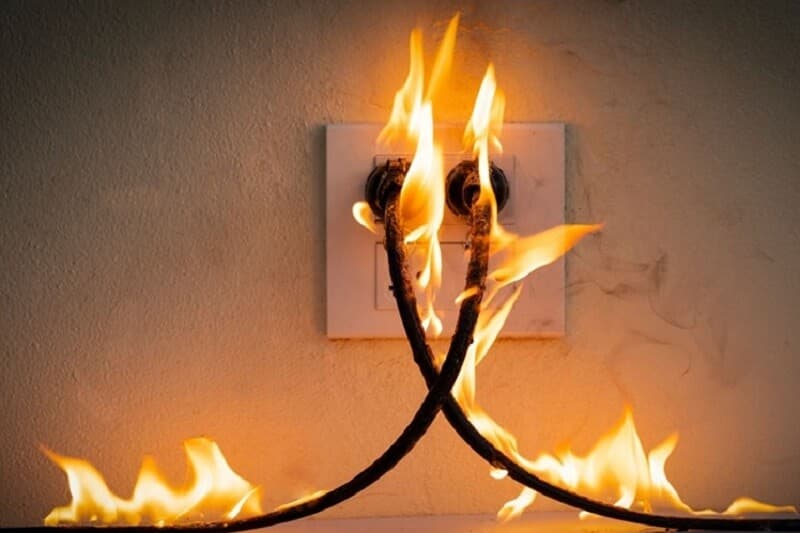
Burning Smell from a Powerpoint? Treat It as Urgent
A burning smell near an outlet is not something to ignore. Here is what it can mean, what not to do, and when to call for urgent help.
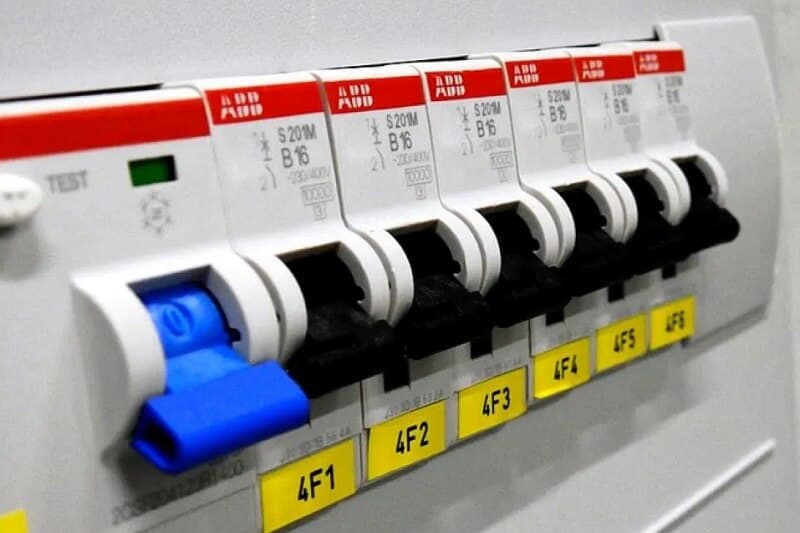
Why Circuit Breakers Keep Tripping
Repeated tripping is usually a sign of a real fault or overload. This guide explains the common causes and when to stop resetting the breaker.
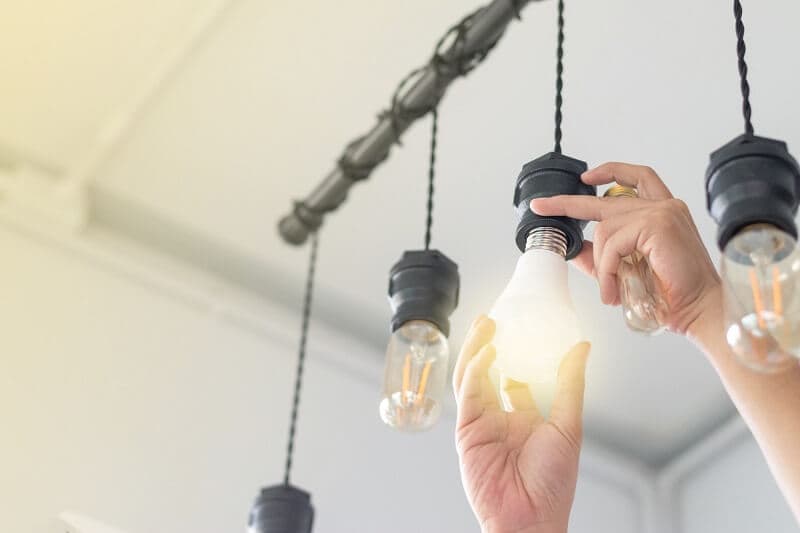
Why Lights Flicker and When It Matters
Flickering lights can be minor or a sign of a deeper electrical problem. Learn what to look for and when to organise an electrician.