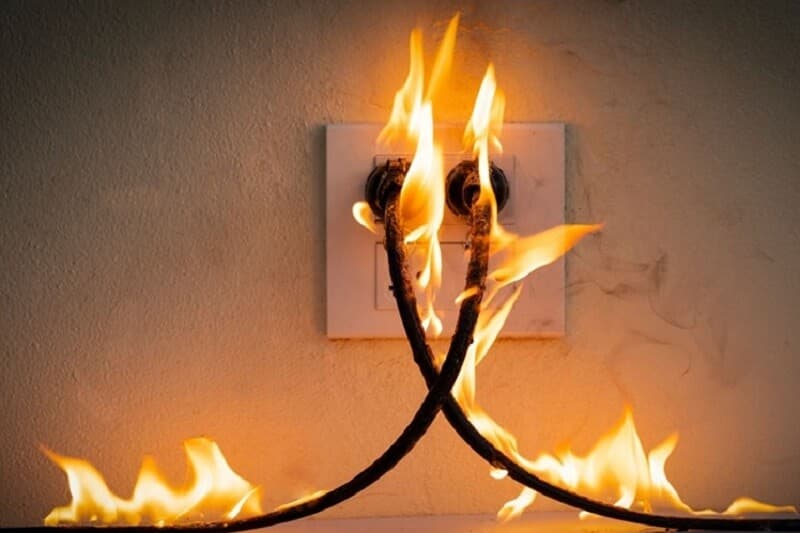
A burning smell coming from a powerpoint, light switch, or nearby wall is not normal. It usually points to heat build-up, arcing, loose connections, or damaged components that need attention quickly. The right response is not to keep using the outlet and hope it settles down.
If you can smell something electrical burning, treat it as an urgent fault and take action straight away.
What to do immediately
If it is safe to do so:
- Turn off power to the affected circuit at the switchboard. If you are not sure which circuit it is, turn off the main switch.
- Unplug everything connected to the outlet.
- Do not touch the fitting if it is hot, discoloured, or visibly damaged.
- Do not use the outlet again until it has been inspected by a licensed electrician.
- Call an emergency electrician if the smell is strong, the outlet is warm to touch, there is visible scorching, or you hear crackling or popping sounds.
If there is active smoke or flames, leave the property and call 000.
What a burning smell usually means
A burning smell from a powerpoint can be caused by:
- A loose connection behind the outlet. Over time, wire terminals can loosen, causing arcing and heat. This is one of the most common causes.
- A worn or overloaded powerpoint. Outlets that regularly handle high-draw appliances like heaters, irons, or air conditioners can degrade faster.
- A damaged appliance plug or lead. Sometimes the problem is the device, not the outlet. A melted or discoloured plug is a sign.
- A circuit carrying more load than it should. If multiple high-draw devices share one circuit, the wiring and outlet can overheat.
- Hidden wiring damage. Rodent damage, nail strikes during renovations, or aged insulation can cause faults that are not visible from the front of the outlet.
That is why powerpoint replacement is often part of the repair, but not always the whole story. The electrician may need to trace the fault deeper into the wiring or check the switchboard.
Signs the situation is urgent
Treat the issue as urgent if you notice any of the following:
- Heat at the outlet or the surrounding wall surface.
- Popping, crackling, or buzzing sounds from behind the wall plate.
- Repeated tripping of the circuit breaker or safety switch.
- Visible scorch marks, melting, or discolouration on the outlet face.
- A smell that gets stronger when something is plugged in or when the circuit is under load.
- Sparks when plugging in or unplugging a device.
Any of these symptoms can indicate an active electrical fault that could lead to a fire if left unaddressed.
What not to do
Do not keep resetting the circuit to test whether the smell comes back. Each reset re-energises the fault.
Do not keep plugging devices back in to isolate the problem. Let an electrician do that with proper testing equipment.
Do not assume a single outlet issue is isolated. A faulty powerpoint can be a symptom of broader wiring or switchboard problems, especially in older properties.
Do not use tape, glue, or other temporary fixes on a damaged outlet. The fitting needs to be replaced properly.
What an electrician will check
A licensed electrician will normally inspect:
- The outlet itself for signs of arcing, heat damage, or loose terminals.
- The wiring behind the wall plate for damage, discolouration, or incorrect connections.
- The circuit load to determine whether the outlet has been overloaded.
- The switchboard to check whether the circuit is properly protected by a safety switch and appropriately rated breaker.
- Surrounding outlets on the same circuit, since the fault may extend beyond the single fitting.
Depending on what is found, the repair may be as simple as replacing the outlet and tightening connections, or it may involve rewiring part of the circuit or upgrading the switchboard protection.
How to prevent powerpoint problems
While not all faults are preventable, a few habits reduce the risk:
- Avoid daisy-chaining power boards or overloading outlets with multiple high-draw appliances.
- Replace old, cracked, or discoloured outlets before they fail.
- Have the electrical system inspected every few years, especially in older properties.
- Use appliances that are in good condition with undamaged plugs and leads.
- If a powerpoint feels warm after normal use, have it checked rather than continuing to use it.
What to do next
If the smell is new or getting worse, stop using the outlet and contact an electrician. If you want to send details before calling, use the contact page and include the suburb, the location of the outlet, and a short description of what you noticed.
Related Articles
What to Do When the Power Goes Out
A straightforward emergency guide covering what to check first, when to stop troubleshooting, and when to call an emergency electrician.
10 Warning Signs Your Property Needs an Electrical Inspection
Know the common warning signs that point to unsafe wiring, overloaded circuits, switchboard issues, or electrical wear that should be checked sooner rather than later.
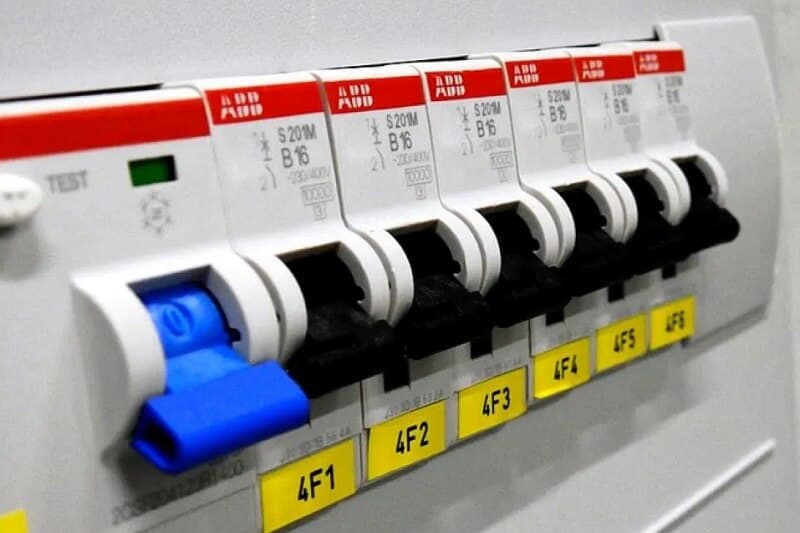
Why Circuit Breakers Keep Tripping
Repeated tripping is usually a sign of a real fault or overload. This guide explains the common causes and when to stop resetting the breaker.