In NSW, almost all electrical work must be carried out by a licensed electrician. This is not just a recommendation. It is the law, and the penalties for unlicensed electrical work include fines, voided insurance, and serious safety consequences.
Some basic checks are safe for anyone to do, but the line between what is acceptable and what requires a licence is much stricter than most people realise. This guide explains what you can handle yourself, what must be done by a professional, and why the distinction matters.
What is safe to do yourself
Homeowners can usually handle low-risk tasks such as:
- Checking whether a device is plugged in properly and switched on.
- Replacing a bayonet or screw-in light globe in a standard fitting, with the switch turned off.
- Resetting a tripped circuit breaker or safety switch at the switchboard (once, not repeatedly).
- Confirming whether the issue is isolated to one appliance by testing it in a different outlet.
- Gathering photos, notes, and observations before calling an electrician, which helps the diagnosis.
- Testing smoke alarm buttons to confirm they are working.
- Replacing batteries in battery-operated smoke alarms.
These tasks do not involve touching any fixed wiring, removing cover plates, or modifying the electrical installation.
What must be done by a licensed electrician
In NSW, the following work requires a licensed electrical contractor or tradesperson:
- Any wiring or rewiring of a circuit, including running new cable, extending existing circuits, or connecting new fittings.
- Replacing powerpoints, light switches, or fixed fittings. Even if the replacement looks simple, the connection involves fixed wiring.
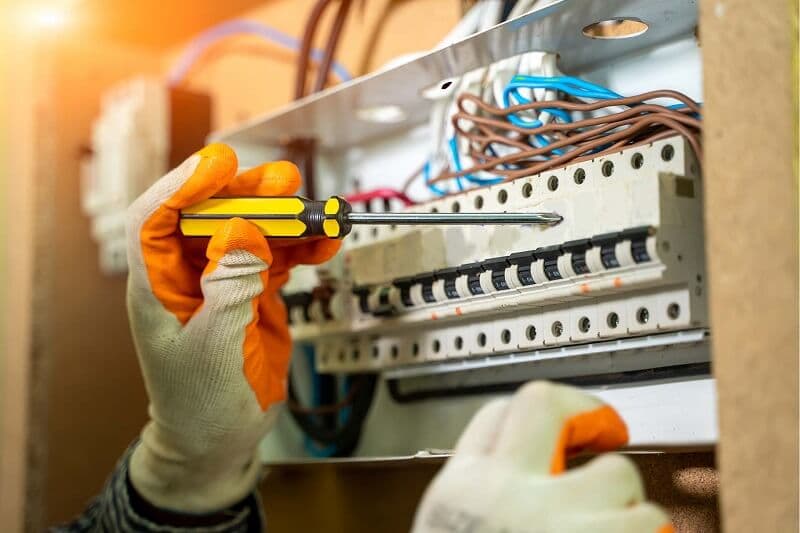
- Switchboard work of any kind, including replacing breakers, adding circuits, or upgrading safety switches.
- New powerpoint or lighting installations. This includes ceiling fans, downlights, outdoor fittings, and garden lighting.
- Any work requiring a level 2 electrician. This covers mains connections, metering, and supply-side work between the pole and the switchboard.
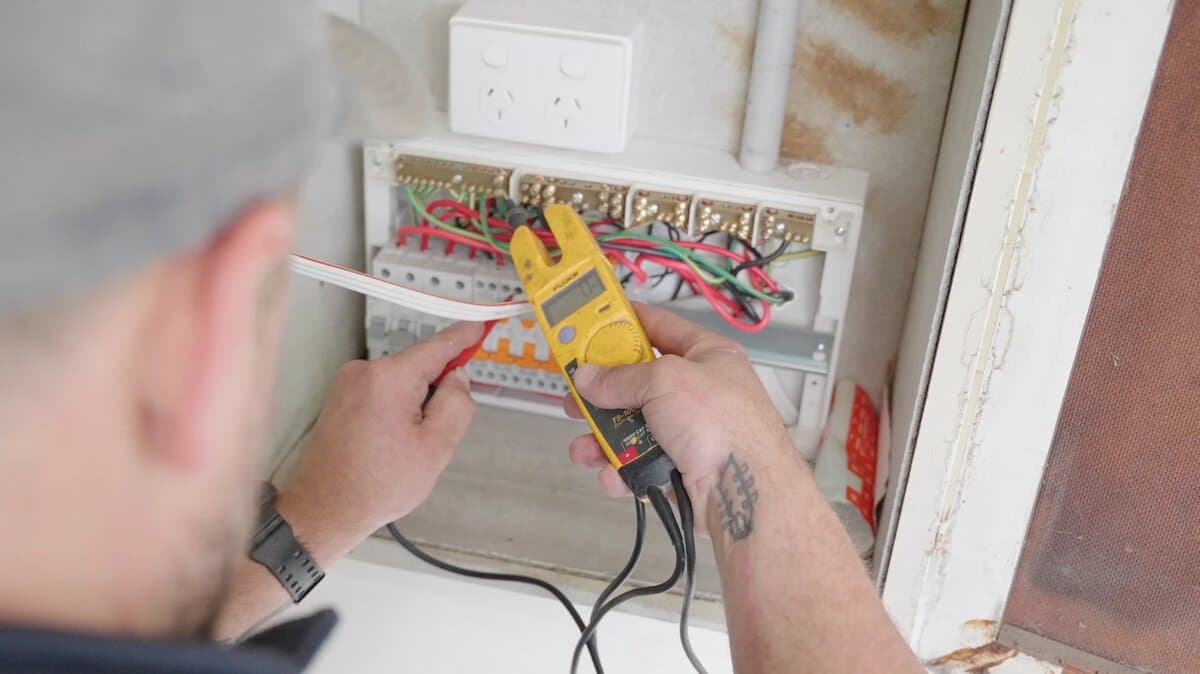
- Fault finding and diagnosis. Tracing an intermittent fault through wiring requires testing equipment and knowledge of circuit behaviour.
- Smoke alarm installation or replacement of hardwired units.
- Hot water system and air conditioning electrical connections.
A licensed electrician will also issue a Certificate of Compliance for prescribed work, which is required under NSW regulations and may be needed for insurance or property sale purposes.
Why the risk is higher than people think
Electrical faults are not always obvious. A problem can look like a simple blown fitting when it is actually a loose connection, an overloaded circuit, or damaged insulation behind the wall. That is why the scope of the job can change once proper diagnosis starts.
Common risks of DIY electrical work include:
- Electric shock. Contact with live wiring can cause serious injury or death, even at standard household voltage.
- Fire. Incorrect connections, undersized wiring, and loose terminals are leading causes of electrical fires in homes.
- Voided insurance. If unlicensed electrical work is found to have contributed to a fire or injury, the property insurance may not cover the claim.
- Non-compliance. Unlicensed work will not come with a compliance certificate. This can create problems when selling the property or during a building inspection.
- Making the problem worse. An incorrect repair can mask the real fault and create a more expensive problem later.
When DIY becomes a delay
If the same issue keeps returning, DIY troubleshooting stops being practical and starts delaying the actual fix. Common examples include:
- A breaker that keeps tripping after you reset it.
- Lights that flicker after you replace the bulb.
- A powerpoint that smells hot or feels warm to touch.
- Smoke alarms that chirp, fail tests, or behave inconsistently.
- An outlet that works intermittently.
At that point, the most practical step is to call an electrician rather than continuing to test the fault yourself.
How to find a licensed electrician in NSW
To verify that an electrician is licensed in NSW:
- Ask for their licence number. AB Electrical holds NSW Contractor Licence #354068C.
- Check the licence on the NSW Fair Trading website, which shows the licence class, conditions, and expiry.
- Confirm they carry public liability insurance. AB Electrical carries $20,000,000 in public liability cover.
- Ask whether they will issue a Certificate of Compliance for prescribed work.
A practical rule of thumb
If the task changes the wiring, the protection devices, or any part of the fixed electrical installation, it must be done by a licensed electrician. If you are unsure whether a job is DIY-safe, that uncertainty is itself a good reason to stop and ask a professional.
What to do next
If you are not sure whether a job needs an electrician, ask before touching it. Contact AB Electrical with the suburb and a short description of the issue. A quick conversation can save time, money, and risk.
Related Articles
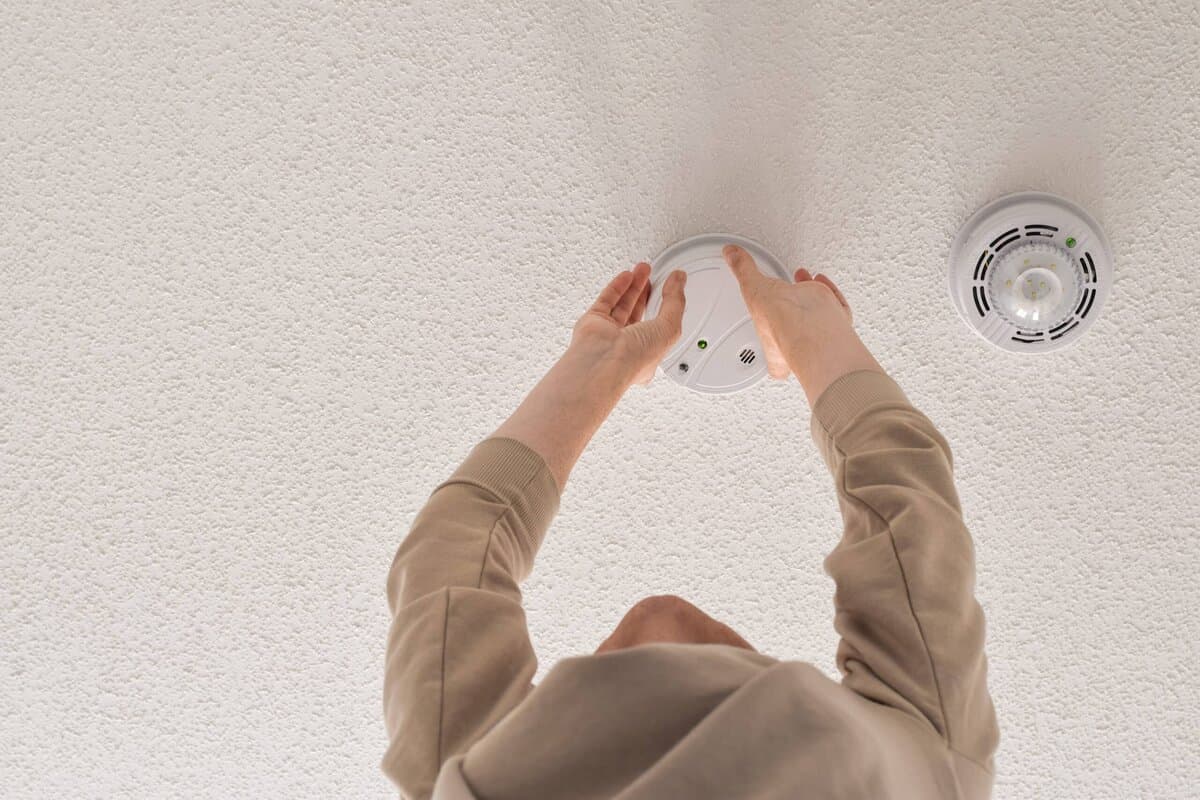
NSW Smoke Alarm Rules: What Property Owners Need to Know
A current overview of why smoke alarm compliance matters, what to review, and when it is worth organising an electrician to update the setup.
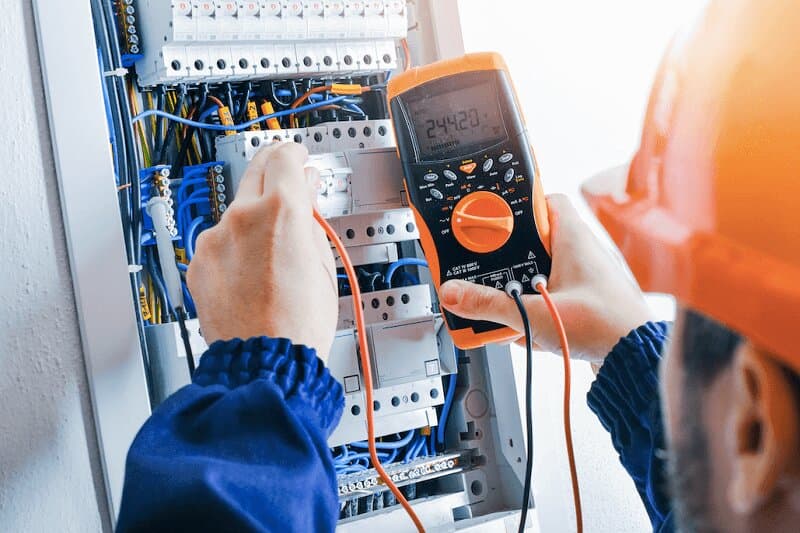
How Much Does an Electrician Cost on the Central Coast?
A practical guide to what affects electrician pricing, when urgency changes the job, and how to think about value rather than just hourly rate.
10 Warning Signs Your Property Needs an Electrical Inspection
Know the common warning signs that point to unsafe wiring, overloaded circuits, switchboard issues, or electrical wear that should be checked sooner rather than later.