
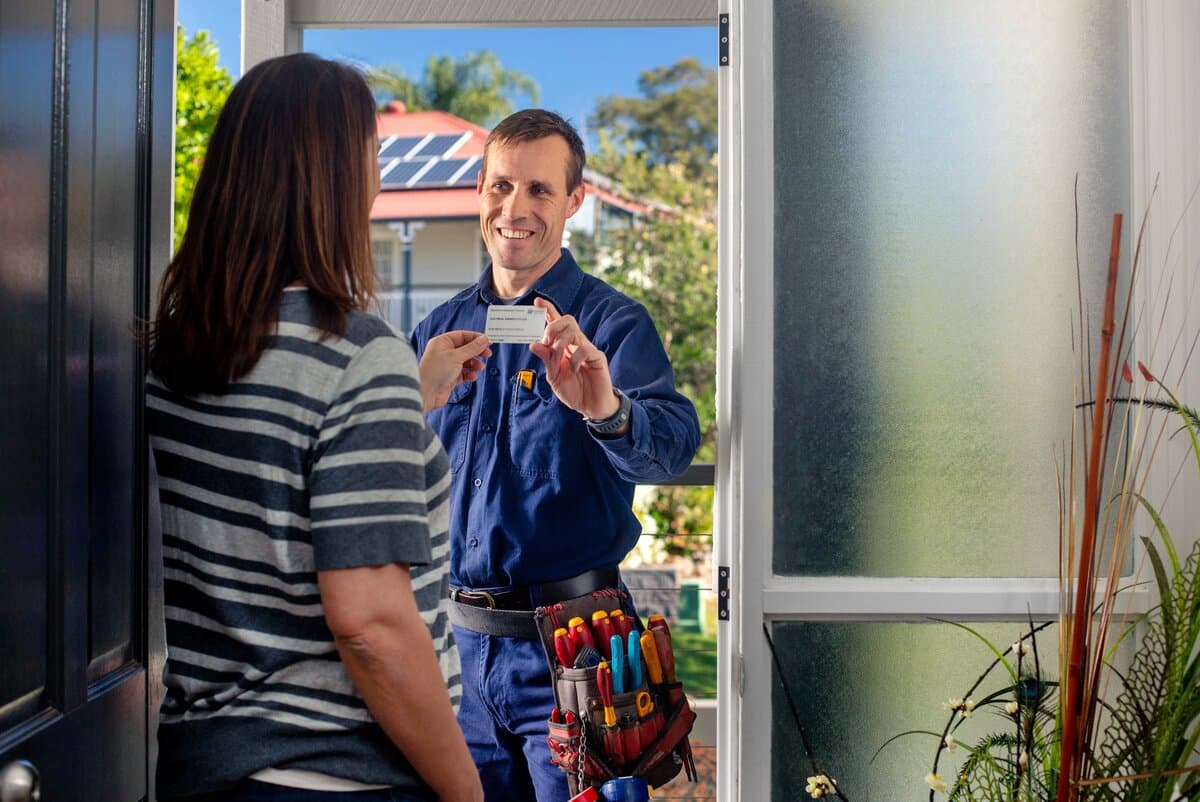
Finding the right electrician is more than just picking the first name from a search result. Electrical work is legally restricted, safety-critical, and expensive to redo if it goes wrong — so it is worth spending a few minutes up front to confirm the person you are about to hire is properly qualified, properly insured, and actually capable of the job. This checklist walks through what to look for before signing off on any electrical work.
Why it matters
Unlicensed electrical work is illegal in NSW. It is also uninsurable. If something goes wrong — a fire, a shock, a claim on the home policy — work done by someone without the correct licence is on the homeowner. Licensed electricians carry public liability insurance, follow the wiring rules, and their work can be verified by NSW Fair Trading.
The good news is that checking a licence takes about 30 seconds. The bad news is that most people never do it.
Step 1: Check the licence on NSW Fair Trading
Every licensed electrical contractor in NSW has a number that can be verified online. The NSW Fair Trading website has a free public search tool. Type the licence number (or the business name) into the search, and the result shows:
- Whether the licence is current
- What class of work the licence covers
- Any conditions attached to the licence
- Any disciplinary history
If the electrician you are speaking to cannot provide a licence number, or the number does not verify, stop there. There is no reason to proceed with someone who cannot demonstrate that they are entitled to do the work.
Step 2: Confirm the licence class matches the job
Not every electrical licence covers every job. A standard electrical contractor licence covers most residential and commercial work — repairs, upgrades, installations, switchboard work, lighting, powerpoints, smoke alarms, and general household electrical. But some jobs require additional accreditation:
- Level 2 ASP accreditation is required for any work on the supply side of the meter — consumer mains, metering, disconnections, reconnections, and private pole work.
- Specific endorsements may be required for certain specialised installations.
If the job involves work on the supply side or anything unusual, ask the electrician directly whether they are accredited for it. A reputable electrician will say so without hesitation.
Step 3: Verify insurance
Public liability insurance is a standard expectation for any licensed electrician. It covers damage to the property and third-party injury claims if something goes wrong. A typical current amount on the Central Coast is $20,000,000. Ask for confirmation in writing if the job is significant — reputable electricians will provide a copy of the certificate of currency without pushback.
Step 4: Check how long they have been operating
Experience matters more in electrical work than in almost any other trade. A newly licensed electrician is legally entitled to do the work, but they are still building the pattern recognition that comes from years of seeing how different faults present, how different houses behave, and what questions to ask before committing to an approach. For high-stakes jobs — emergency callouts, switchboard upgrades, fault finding — experience is often the difference between a clean result and a callback.
Step 5: Ask about the specific job
A good electrician asks questions. They want to know the age of the property, whether there has been recent work done, what the homeowner has noticed, and whether there are any existing photos that help scope the job. An electrician who jumps straight to a price without asking anything is either very experienced with the specific problem or not really thinking about it.
On the homeowner side, it is reasonable to ask:
- How will the work be quoted? Fixed price, hourly, or attendance plus repair?
- What does the callout fee cover? Some include the first diagnostic work, others charge travel separately.
- Will the electrician return if there is a follow-up issue? A workmanship guarantee is a sign of confidence in the work.
- How soon can the job happen? Urgent jobs should have a clear response time commitment.
Step 6: Read reviews, but read them carefully
Google reviews and similar platforms are useful but not infallible. A few things to look for:
- Volume and consistency. A business with dozens of detailed five-star reviews over several years is different from one with three generic reviews from last month.
- Specific details. Reviews that mention the suburb, the type of work, or the electrician's name by memory are more trustworthy than generic "great service!" comments.
- Responses to negative reviews. Nobody is perfect. How an electrician responds to criticism says more than the criticism itself.
Step 7: Trust the phone call
A lot of hiring decisions come down to the first phone call. Is the electrician patient? Do they ask sensible questions? Do they explain the options clearly? Do they treat the job like it matters? Those signals are often more accurate than anything else — because they reflect what the actual experience of working with that electrician will feel like.
Red flags
Walk away from any electrician who:
- Cannot produce a licence number that verifies on the NSW Fair Trading site.
- Pressures you to commit immediately without letting you compare options.
- Asks for full payment upfront for a job that has not started.
- Is evasive about insurance or workmanship guarantees.
- Claims that a licensed competitor's quote is "illegal" without explaining why.
- Suggests shortcuts that avoid a compliance certificate.
Those behaviours are warning signs in any trade, but they are especially important in electrical work because of the safety implications.
What to do next
If the job is ready to go, the next step is a short conversation with an electrician who meets the checklist. Contact AB Electrical with the suburb, the type of work, and a short description — the quote comes back with the licence number, insurance detail, and clear scope so the comparison is simple.
Related Articles
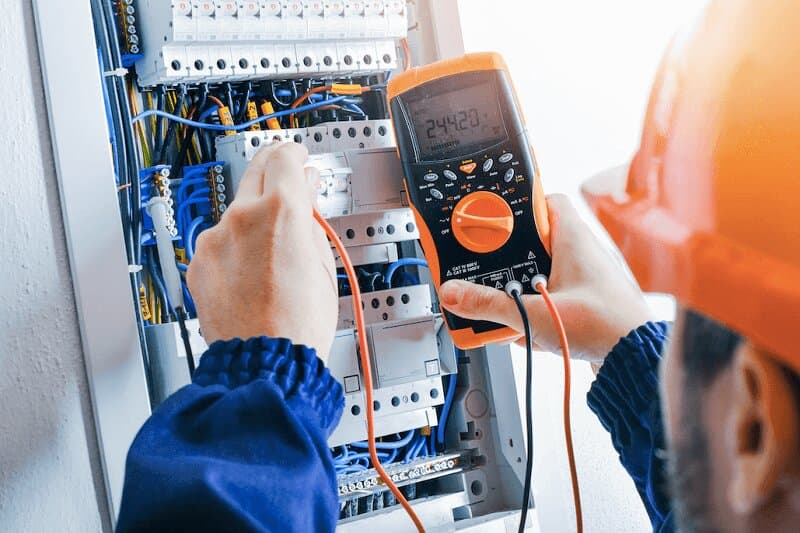
How Much Does an Electrician Cost on the Central Coast?
A practical guide to what affects electrician pricing, when urgency changes the job, and how to think about value rather than just hourly rate.
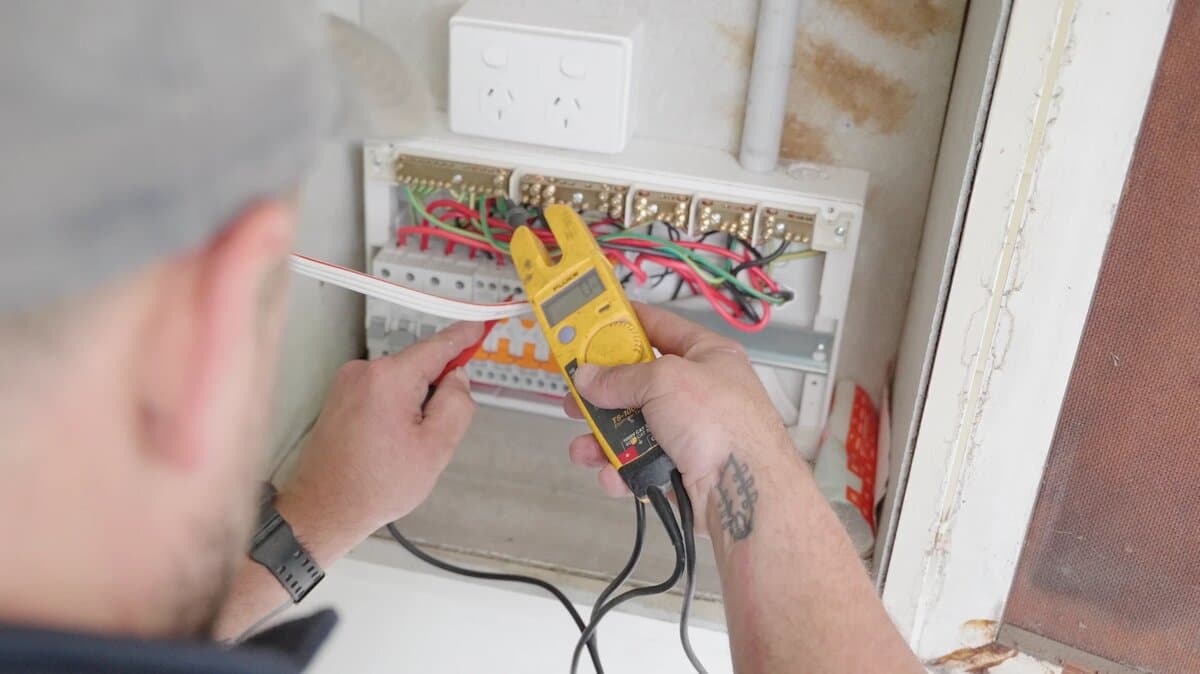
10 Warning Signs Your Property Needs an Electrical Inspection
Know the common warning signs that point to unsafe wiring, overloaded circuits, switchboard issues, or electrical wear that should be checked sooner rather than later.
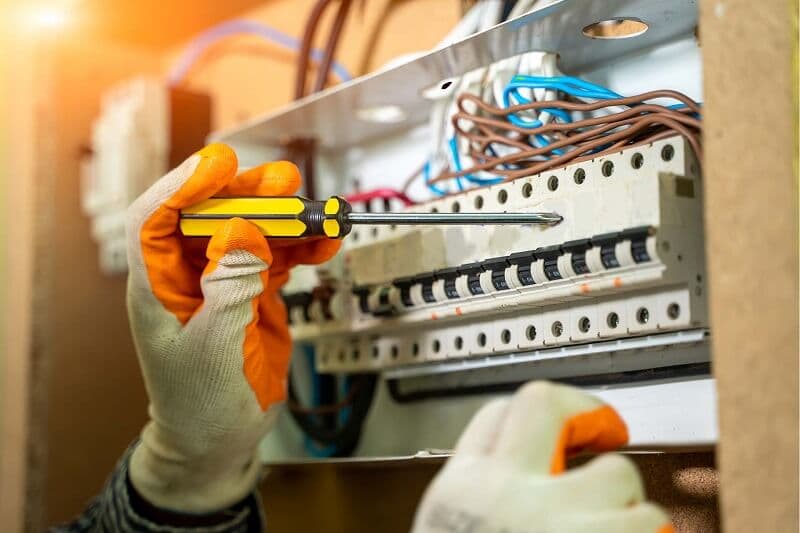
DIY vs Professional Electrical Work in NSW
A simple guide to why electrical work is not the place to guess, and why getting the right licensed help matters for safety and compliance.