Losing hot water is one of the most disruptive household problems, and it is almost always an electrical issue rather than a plumbing one. Before calling a plumber or assuming the whole tank needs to be replaced, there are a few targeted things to check — and a few things to avoid. This guide walks through the most common causes, what is safe to check without touching anything electrical, and when to stop troubleshooting and call a licensed electrician.
The usual suspects
When hot water stops working, the problem is usually one of five things:
- A tripped circuit breaker at the switchboard. This is the simplest and most common cause — and the easiest to check.
- A failed heating element inside the tank. Elements wear out, especially in older systems or hard-water areas.
- A failed thermostat that controls when the element turns on. A faulty thermostat can stop heating entirely or cause erratic temperature behaviour.
- A faulty safety switch on the hot water circuit that is tripping because of a leak to earth inside the system.
- A genuine plumbing problem like a leak, stuck valve, or failed anode — which is less common but needs a plumber rather than an electrician.
The key point is that four out of five of these are electrical problems, which is why trying a plumber first is often a false start.
Step 1: Check the switchboard
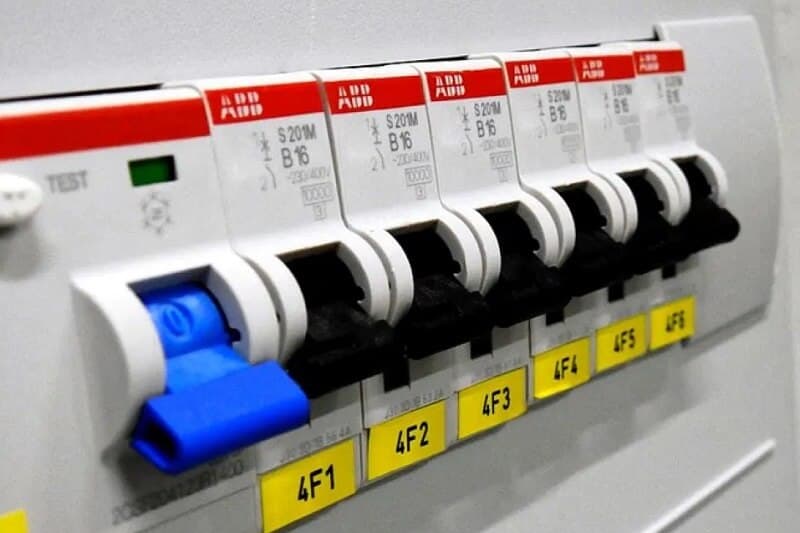
Go to the switchboard and look for a breaker labelled "hot water" or "HWS". If it is in the off or tripped position, that is the answer to the first question — the circuit has tripped.
Do not immediately flip it back on. Before resetting, isolate any obvious electrical cause. If the breaker trips again the moment it is reset, there is a fault somewhere in the circuit or the system itself, and forcing it back on will not help.
If the breaker holds after one reset, wait a few hours and check whether the water is heating up. If it is, the issue was a one-off and nothing more is needed. If it trips again within a day or two, call an electrician — repeated tripping is a sign of an underlying fault.
Step 2: Check the hot water isolator
Most hot water systems have a dedicated isolator switch near the tank — usually in a weatherproof enclosure. This is a separate switch from the circuit breaker at the main board. Make sure it is in the on position. It is surprisingly common for somebody to have turned it off during unrelated work and forgotten to turn it back on.
Step 3: Look (but don't touch) for visible problems
A quick visual check around the tank can reveal a few things:
- Water leaking visibly from the tank or its connections — the tank itself may have failed.
- Rust or corrosion around the electrical connections — a sign that moisture has got in where it should not.
- Burn marks or discoloration on the isolator or the cable — a sign of overheating that needs immediate attention.
- A tripped pressure-temperature relief valve that is dripping — usually a plumbing issue rather than electrical.
Do not open the tank, remove any covers, or touch any wiring. These checks are strictly visual.
Step 4: Note the symptoms carefully
When calling an electrician, a few specific details make the diagnosis much faster:
- Is there no hot water at all, or just lukewarm water? Complete failure usually points to an element or breaker. Lukewarm water often points to a thermostat.
- Did the system stop after a storm or power event? Power surges can damage elements and thermostats.
- Does the breaker trip immediately or after a delay? Immediate trips usually indicate a dead short. Delayed trips usually indicate an overload or a failing element.
- Is there any burning smell or sound? Smell or unusual noises change the urgency of the response.
- How old is the system? Systems over 10 years old are more likely to need full replacement, while newer systems are usually worth repairing.
What an electrician will do
A licensed electrician can diagnose and fix most hot water electrical faults in a single visit:
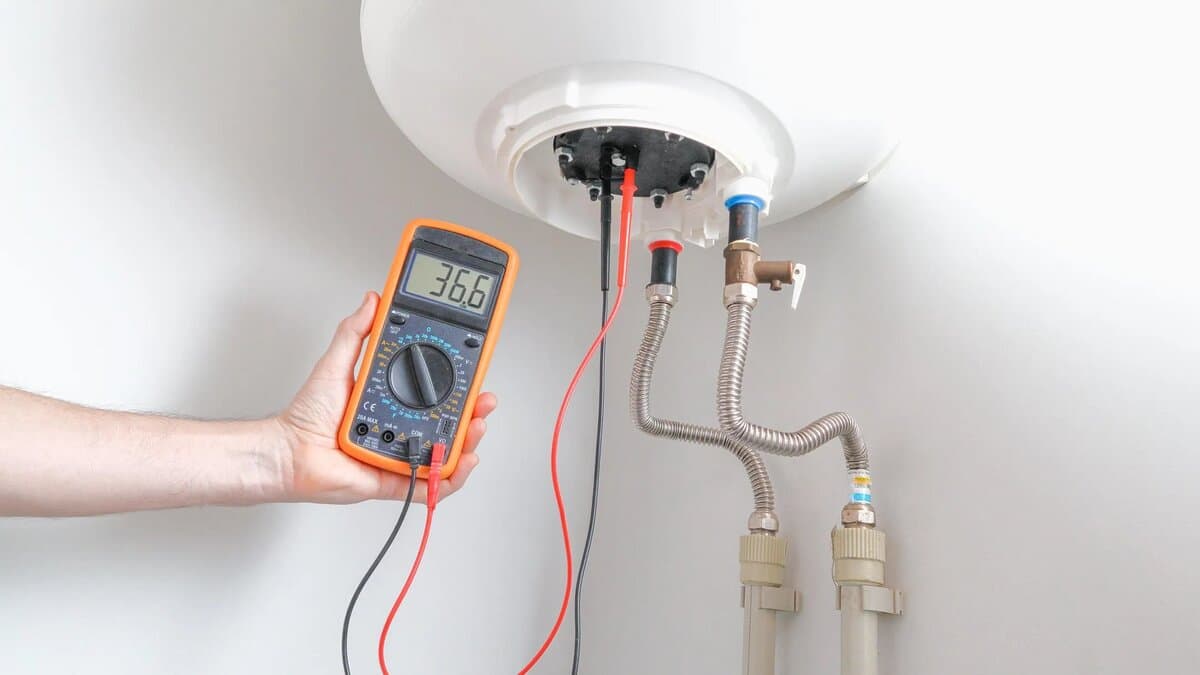
- Test the element with a multimeter to confirm whether it has failed.
- Test the thermostat and safety switch to check they are operating correctly.
- Check the circuit for earth leakage that might be tripping the safety switch.
- Replace the element, thermostat, or safety switch if that is the problem.
- Confirm that the tank itself is still viable, or advise if it has reached end of life.
Most electrical repairs to hot water systems cost between $220 and $560 depending on what has failed. If the tank itself is finished, the electrician will coordinate with a plumber for the changeover rather than trying to repair something that is beyond repair.
When to skip troubleshooting and call immediately
Some symptoms should trigger an immediate call to an electrician rather than further investigation:
- Any visible scorching, smoke, or burning smell around the tank or its electrical connections.
- A breaker that trips the instant it is reset.
- Water visibly leaking near the electrical components.
- A buzzing or crackling sound from the isolator or the tank.
- An older system (15+ years) that has stopped working completely.
In those cases, treat the issue as urgent and do not attempt to reset anything or touch the system.
What not to do
Do not keep resetting the breaker. If it trips once and holds, fine. If it trips twice, stop. Each reset re-energises the fault.
Do not open the tank or remove any covers. Hot water systems operate at mains voltage and can cause fatal shocks.
Do not call a plumber first. The majority of "no hot water" problems are electrical. Starting with an electrician avoids paying for a plumber visit that ends with "you need an electrician".
Do not assume the whole tank needs replacing. Elements and thermostats are replaceable parts. A single component failure is not the same as system failure.
What to do next
If the system has stopped working and the quick checks above have not resolved it, the next step is a visit from a licensed electrician. Contact AB Electrical with the suburb, the age of the system, and a short description of what is happening. For urgent situations — visible damage, burning smell, or tripping that returns immediately — call directly rather than waiting on a form response.
The hot water systems service page covers the electrical side of repair and replacement work in more detail.
Related Articles
Why Circuit Breakers Keep Tripping
Repeated tripping is usually a sign of a real fault or overload. This guide explains the common causes and when to stop resetting the breaker.
Burning Smell from a Powerpoint? Treat It as Urgent
A burning smell near an outlet is not something to ignore. Here is what it can mean, what not to do, and when to call for urgent help.
What to Do When the Power Goes Out
A straightforward emergency guide covering what to check first, when to stop troubleshooting, and when to call an emergency electrician.