
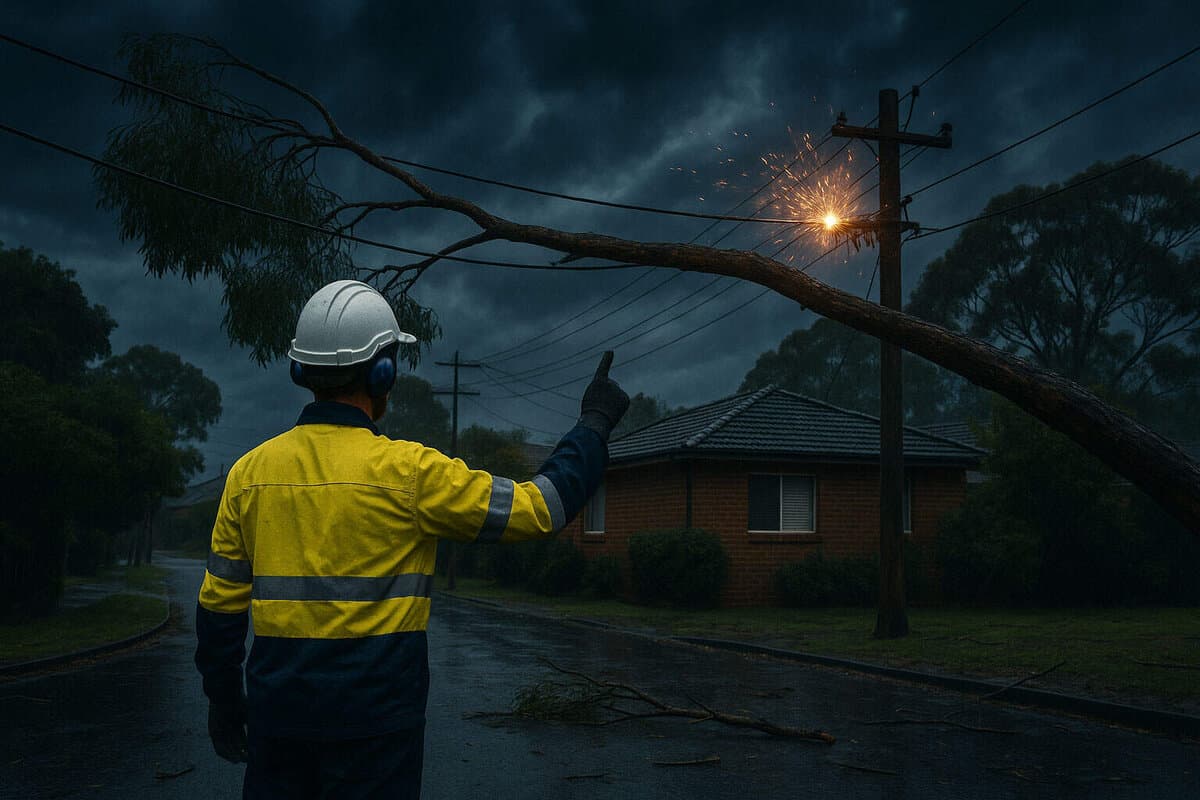
If your power has just gone out at 11pm, your switchboard smells like burning plastic, or a fitting is sparking after a storm, the question of cost is rarely the first thing on your mind — but it is usually the second. This guide gives you realistic Central Coast figures for after-hours emergency electrical callouts, explains why after-hours pricing exists, and shows what to expect on the invoice when the work is done.
If the situation is unsafe right now, stop reading and call AB Electrical on 0405 343 343. The licensed electrician on the line will walk you through making the property safe before anyone arrives, and the cost is confirmed in writing before any repair work begins.
What "after hours" actually means
After-hours pricing applies whenever the callout falls outside standard business hours. For most Central Coast electricians, including AB Electrical, that means:
- Weekday evenings — typically after 5pm and before 7am
- Weekends — all day Saturday and Sunday
- Public holidays — including Christmas Day, Boxing Day, New Year, Easter weekend, and the major NSW public holidays
- Storm or flood response — even during business hours, callouts that involve heavy weather may attract a higher rate because of the risk and travel conditions
The reason after-hours work costs more is straightforward: the electrician is being asked to be available outside their normal working time. Most of the cost difference is the on-call premium, not the actual labour rate — once they're on-site, the work happens at the same pace as a standard repair.
Realistic Central Coast emergency pricing
For Central Coast addresses, here's what to expect from a typical 24/7 emergency electrician:
- Standard business-hours callout: $180–$260 attendance, plus the work
- After-hours / weekend callout: $240–$380 attendance, plus the work
- Public-holiday callout: usually the same as weekend pricing, occasionally with a small additional premium for major holidays
- Fault finding and isolation (on-site, after diagnostic gear is used): $150–$350
- Minor urgent repair completed on first visit: $250–$650 total
- Switchboard fault repair: $400–$1,200 depending on the failure mode
These ranges are realistic for the Central Coast in 2026 and reflect the kind of jobs AB Electrical handles week to week. They are not "starting from" headline numbers — they are typical totals for the categories of work most callouts fall into.
What's included in the callout fee
When you pay a callout fee, you're paying for:
- The electrician's response time — getting someone qualified, licensed, and properly equipped to your address quickly
- The diagnostic work on-site — testing circuits, isolating faults, and identifying the root cause
- The first hour of attendance — most callout fees include the initial diagnostic and any immediate isolation work
- Making the property safe — even if a full repair can't happen on the first visit, the property is left in a safe state
What's not usually included in the callout fee:
- Replacement parts — fittings, breakers, and components are extra
- Extended diagnostic work — if the fault takes longer than the first hour to find
- Major repair work — switchboard rebuilds, rewiring, follow-up jobs
Will the callout fee be added to the repair?
This is the question most homeowners actually want answered, and the honest answer is: it depends on the job.
For a straightforward emergency where the repair is completed on the first visit (a single faulty breaker, a damaged powerpoint, a loose connection), the callout fee is usually absorbed into the total cost — you pay one combined invoice rather than callout + repair stacked on top of each other. AB Electrical does this by default where the work is straightforward.
For larger jobs where the emergency only stabilises the situation and a follow-up visit is needed (a full switchboard replacement, a rewire, a Level 2 supply repair), the callout and the follow-up are quoted separately. You won't be charged twice for the diagnostic work, but you will see two distinct line items: the emergency response and the planned repair.
Either way, the cost is always confirmed in writing before any work begins beyond the initial diagnostic. No surprises on the invoice.
How to keep the cost down on an after-hours callout
A few practical ways to keep the total cost in the lower end of the range:
- Call early. The cost difference between calling at 6pm (when you first notice the problem) and 11pm (when it gets worse) is usually small, but the difference between a small repair and a major one is large. Most emergency callouts that cost $1,000+ started as $300 jobs that were ignored.
- Describe the fault clearly on the phone. Tell the electrician what you're seeing, smelling, or hearing. The more specific the description, the more likely they arrive with the right parts and the right plan — saving an extra trip.
- Take a photo from a safe distance. Photos of the switchboard, the affected fitting, or the problem area help with phone triage and let the electrician arrive prepared.
- Don't keep resetting tripped breakers. Each reset re-energises the fault, which can extend the damage and the eventual repair scope.
- If it's safe, turn off the main switch. Isolating the property at the main switch buys time and prevents further damage while you wait.
When to call now vs. when to wait until morning
Some symptoms can wait safely. Others can't. As a rough guide:
Call straight away (do not wait):
- Burning smell from any electrical fitting
- Visible smoke, sparks, or arcing
- A breaker that trips the moment it is reset
- Warm or discoloured powerpoints
- Total power loss with no obvious cause
- Active electrical fault during a storm
Can usually wait until business hours:
- A single non-working light fitting in a non-essential room
- A powerpoint that doesn't work but isn't damaged
- A new appliance that's not working (test it on another circuit first)
- A circuit that has been off for a long time (likely an isolated fault, not active)
When in doubt, call the Central Coast emergency electrician on 0405 343 343 — describe what's happening and get a recommendation on whether it warrants a same-night response or can wait until the next business day.
What to do next
If you're reading this with an active fault, call AB Electrical now. If you're researching for a future situation, save the number — 0405 343 343 — and bookmark the emergency electrician page so you have it handy when something does happen. The cost of being prepared is zero. The cost of finding an emergency electrician at 2am while standing in a dark hallway is much higher.
Related Articles
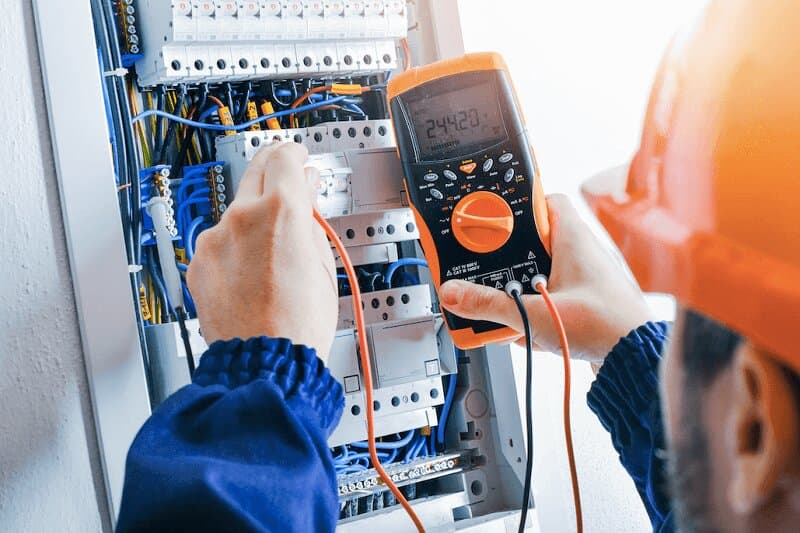
How Much Does an Electrician Cost on the Central Coast?
A practical guide to what affects electrician pricing, when urgency changes the job, and how to think about value rather than just hourly rate.
What to Do When the Power Goes Out
A straightforward emergency guide covering what to check first, when to stop troubleshooting, and when to call an emergency electrician.
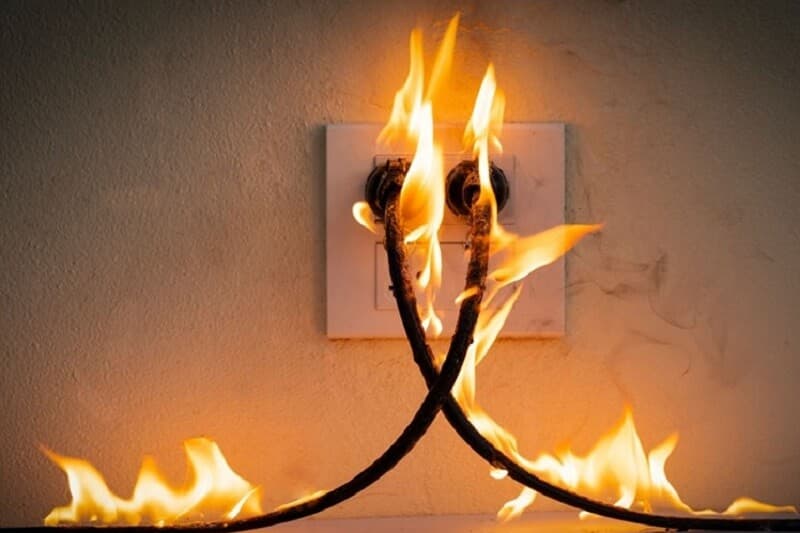
Burning Smell from a Powerpoint? Treat It as Urgent
A burning smell near an outlet is not something to ignore. Here is what it can mean, what not to do, and when to call for urgent help.