
Renovating a Central Coast home is a great opportunity to fix the electrical issues that have been quietly building up — but only if the electrical scope is planned properly before the walls open up. Most renovation budgets blow out on electrical work because the planning happens too late, the scope changes mid-build, and what should have been a clean 2-day job becomes a stop-start sequence of callbacks. This checklist walks through what to plan, when to plan it, and how to think about the electrical side of a renovation before you call an electrician.
If you already know the renovation is going ahead and you want a written quote, the licensed Central Coast residential electrician at AB Electrical can be added to a build schedule and walk the property with the builder before any wiring decisions are locked in.
Why renovation electrical work needs to be planned early
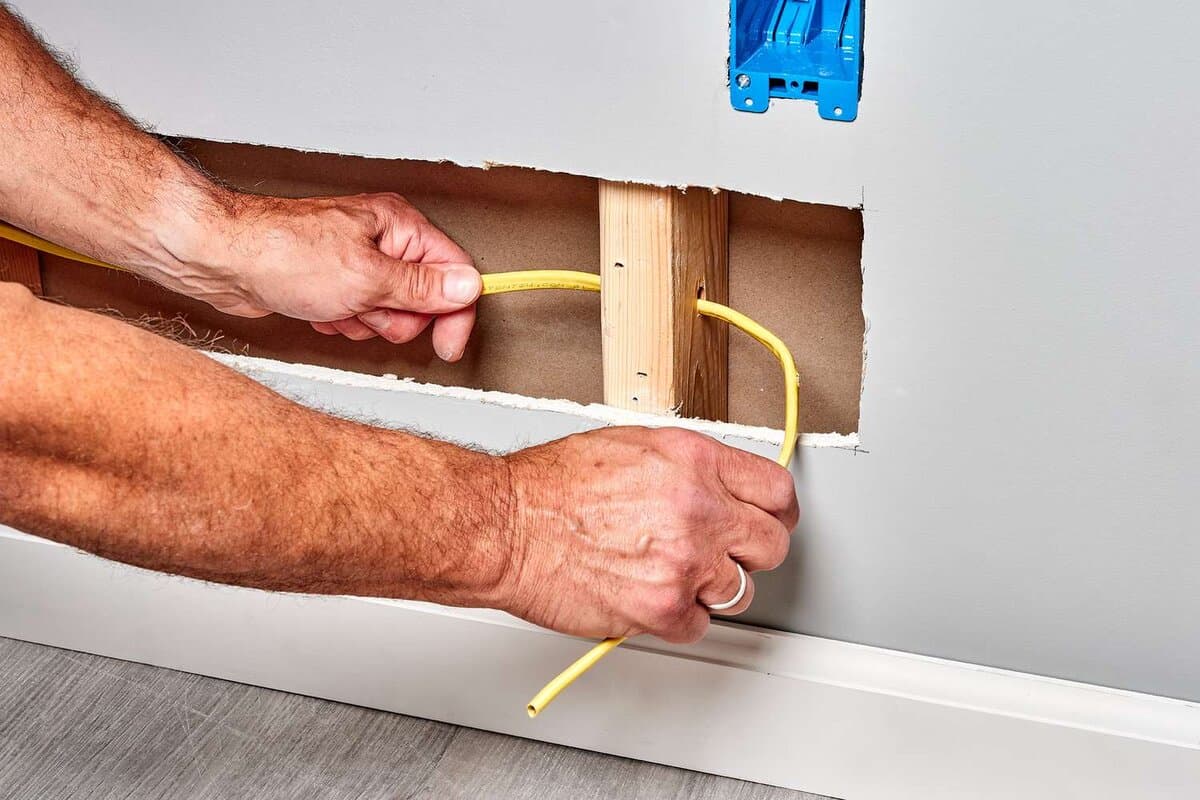
Renovations create a moment in the life of a property when the walls are open, the trades are on site, and everything that has been hidden for 30 years is suddenly accessible. That moment is the cheapest time to do electrical work — before plaster goes back on, before painted walls would need to be cut into, and before the kitchen island stops you from running a new circuit overhead.
Decisions made after this moment cost 3-5 times more and leave visible scars. A new powerpoint added six months after the renovation finishes means cutting the wall, chasing the cable, patching the plaster, repainting, and probably re-cutting tile or skirting. The same powerpoint added before the plasterer arrives is a 15-minute job.
That cost gap is why an early electrical walkthrough is the single most valuable thing you can do before any renovation budget gets locked in.
The renovation electrical checklist
Use this checklist before you finalise the renovation plans, not after.
1. Walk the property with the electrician before the builder finishes plans
Before drawings are locked in, walk the property room by room with a licensed residential electrician. Talk through what each room is going to be used for after the renovation, how you actually use power in your day-to-day life, and what is missing in the current layout. This walk is where 80% of the value comes from — the electrician sees things you will not think of (insufficient circuit capacity for a new oven, an old switchboard that cannot handle another circuit, lighting layouts that fight with the planned cabinetry).
2. Decide on the lighting layout before the ceiling is closed
Lighting positions are the hardest thing to change after a renovation finishes. Downlight spacing, pendant locations, kitchen island lighting, bathroom vanity lights, exterior fittings — all of these need to be marked on the plans and run as wiring before plasterboard goes back on. A 30-minute lighting design conversation with the electrician at the start of the renovation saves multiple callbacks later.
3. Plan the powerpoints to match how you actually use the room
Standard plans almost always have too few outlets. For each room, walk through how the room will actually be used:
- Kitchen — coffee machine, toaster, kettle, microwave, blender, air fryer, sometimes a dishwasher and a wine fridge. That is 6-8 dedicated outlets in the bench-line alone, not counting under-bench appliances.
- Living area — TV wall, side tables, lamps, possibly a media unit, a charging zone, console gaming. Plan for 6-8 outlets across the space.
- Bedrooms — bedside outlets on both sides (two each), a desk position if applicable, a charging spot, room for a heater or fan. Standard 2-outlet bedroom plans run out of capacity within a year.
- Home office — at minimum a quad outlet at the desk position, with separate circuits if multiple monitors and computers will run on the same line.
- Outdoors — at least one weatherproof outlet for outdoor lighting, BBQ, or garden tools. Plan for two if the deck is large.
4. Confirm the switchboard can handle the new load
This is where most renovations get caught out. The existing switchboard might be full, undersized, or using outdated protection that does not meet modern compliance for new circuits. If the renovation is adding an extra bathroom, kitchen appliances, ducted air conditioning, or an EV charger, the board often needs an upgrade as part of the renovation — which is much cheaper than doing it as a separate job afterwards.
The electrician should check the board on the early walkthrough and tell you whether it needs replacing, expanding, or adding sub-circuits. This is the single most important question to ask before construction starts.
5. Decide on smoke alarm coverage and compliance
NSW requires interconnected photoelectric smoke alarms in specific positions in residential properties. A renovation is the right time to bring the smoke alarm coverage up to current standards because the wiring is accessible and the cost of running new alarm cables is minimal during construction.
6. Plan for what you might want in 2-3 years
The cheapest time to install conduits, draw cables, and pre-wire for future things is now, while the walls are open. Even if you do not plan to install solar, an EV charger, a home network, smart switches, or outdoor cameras immediately, running the conduits during the renovation costs almost nothing extra and saves a separate cable run in the future.
7. Ask for a written quote that breaks down the renovation electrical scope
A renovation electrical quote should cover the scope clearly:
- New circuits and any switchboard work
- Powerpoints and outlet positions (with a count)
- Lighting positions and switching plan
- Smoke alarm compliance work
- Any conduits or future-proofing
- Compliance certificates included
- Workmanship guarantee
A quote that just says "renovation electrical work — $X" without breaking the scope down is hard to compare and almost guarantees scope creep mid-build.
How AB Electrical works with builders on Central Coast renovations
AB Electrical regularly co-ordinates with builders, kitchen installers, bathroom fitters, and project managers on Central Coast residential renovations. We can be added to a build schedule, walk the property at the start of the project, agree on the rough-in stage and the second-fix stage, work alongside other trades on site, and supply the certificates of compliance the builder needs at sign-off. The renovation runs more smoothly when the electrical scope is locked in early and the same licensed electrician handles both the rough-in and the second fix.
What to do next
If you are planning a Central Coast renovation, get the electrical walkthrough done early — before the drawings are locked in, before the demolition starts, and before the budget is finalised. Contact AB Electrical with the suburb, the approximate scope of the renovation, and any plans you have so far, and we will come back with a written quote and a clear scope.
For more on what residential electrical work covers, see the Central Coast residential electrician page.
Related Articles
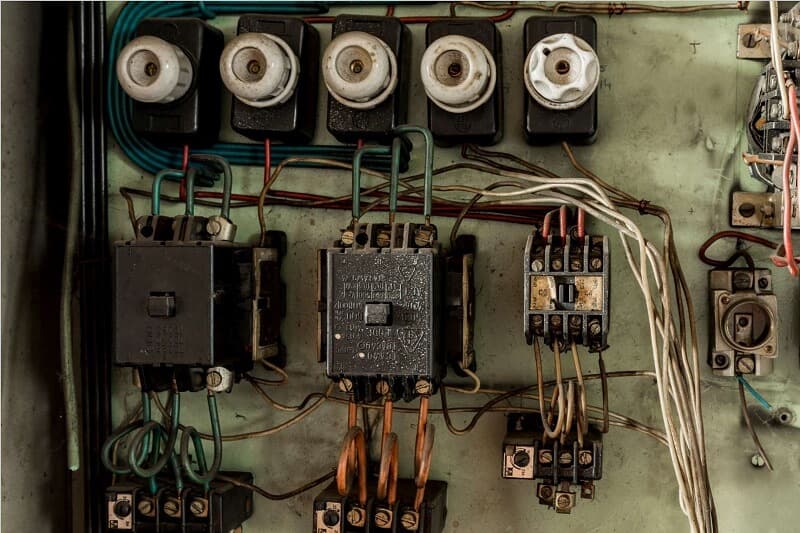
Electrical Red Flags to Check in an Older Home
Older homes can hide outdated circuits, switchboards, and safety issues. This guide covers what to look for before you buy or renovate.
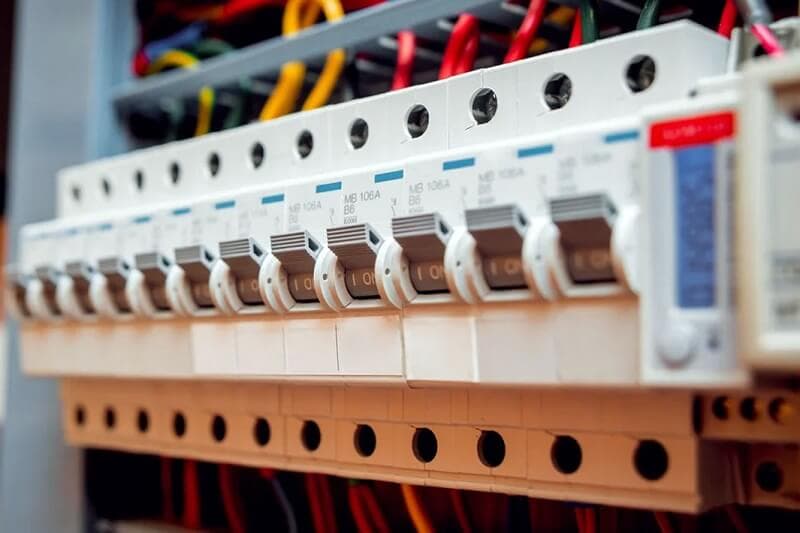
When a Switchboard Upgrade Is Worth Doing
Understand the signs that a switchboard may be outdated, overloaded, or no longer suited to the way the property is used.

How to Read an Electrical Quote — What's Standard, What's a Red Flag
A homeowner-friendly guide to reading a residential electrical quote — what should be on it, what is normal, what is a red flag, and how to compare quotes from different Central Coast electricians without being misled by formatting differences.