

Reducing an electricity bill is usually less about one dramatic change and more about removing waste, improving control, and making sure the property is not running on old or inefficient fittings. Small upgrades in the right places can add up to meaningful savings over a billing cycle.
If you own a home or manage a property on the Central Coast, these are the upgrades and checks that usually make the most practical difference.
1. Switch to LED lighting
Lighting is one of the easiest places to cut waste without changing how the property feels or functions. Older halogen downlights in particular draw significantly more power and produce more heat than their LED equivalents.
A good lighting upgrade can reduce the power draw of your lighting circuits by 80% or more while also improving brightness, colour quality, and lifespan. LED fittings typically last 25,000 to 50,000 hours compared to 2,000 hours for halogen. That means fewer replacements and less maintenance over time.
The best candidates for LED upgrades are rooms that are lit for long periods: kitchens, living areas, offices, and outdoor security lighting.
2. Replace faulty or outdated powerpoints
Bad outlets do not just create safety risk. They can also make the property awkward to use, which leads to extension leads, power boards, and overloaded circuits. Each of those workarounds increases the load on the system and the risk of wasted energy through heat.
Powerpoint work can clean that up. Installing outlets where they are actually needed removes the need for power boards and reduces circuit stress. Modern outlets with built-in USB charging also reduce the number of plug-in chargers drawing standby power.
3. Check the switchboard
If the switchboard is outdated or overloaded, the property may not be distributing power efficiently. Older boards with ceramic fuses and no safety switches can also mask faults that waste energy, such as a circuit with a slow leak to earth that keeps the system working harder than it should.
A review of switchboards can reveal issues that are worth fixing before they become bigger problems. A modern board with properly rated breakers and balanced circuits runs more efficiently and is easier to diagnose when something goes wrong.
4. Stop hidden energy waste
Common sources of waste that are easy to overlook include:
- Old fittings that run hotter than they should, especially halogen transformers and incandescent fixtures.
- Appliances on standby that draw power 24 hours a day. A single device may use little, but 10 devices on standby across the property adds up.
- Lighting left on in low-use areas like garages, laundries, and hallways. Motion sensors or timers can eliminate this.
- Circuits that keep tripping and forcing repeated resets, which can indicate a fault that is also wasting energy.
- Hot water systems running on outdated elements or timers that do not match your actual usage pattern.
5. Match electrical upgrades to how the property is actually used
What works in a small unit is not the same as what works in a family home, retail space, or commercial office. AB Electrical often sees better results when the upgrade matches the property type and usage pattern rather than following a generic checklist.
For example, a family home with kids might benefit most from lighting timers and efficient kitchen circuits. A retail space might save more by upgrading display lighting and reducing after-hours standby load. An office might see gains from efficient workstation power layouts and automated lighting controls.
6. Review air conditioning and hot water electrical efficiency
If the property uses air conditioning heavily, it may be worth checking how the electrical supply is managing that load. An undersized circuit or a unit running on an older electrical connection can draw more power than necessary. See air conditioning if the electrical side of the system needs attention.
Similarly, electric hot water systems that run on older elements or inefficient heating cycles can account for a large portion of the bill. In some cases, switching from continuous to off-peak heating, or upgrading the element, can make a noticeable difference.
7. Fix electrical problems before they become expensive
When lights flicker, breakers trip, outlets run warm, or the switchboard buzzes, the property is telling you something. These symptoms often indicate a fault that is wasting energy in addition to being a safety concern.
A flickering light caused by a loose connection draws more power than a stable one. A circuit that keeps tripping forces appliances to restart repeatedly, which uses more energy than continuous operation. Fixing these faults early avoids both the energy waste and the more expensive repair that comes later.
Where savings usually show up
The gains from electrical upgrades are usually practical rather than dramatic:
- Lower lighting costs from LEDs and better controls.
- Fewer nuisance faults that waste energy and time.
- Safer and more predictable circuits that run efficiently.
- Better usability that eliminates workarounds like power boards and extension leads.
- Reduced maintenance from longer-lasting fittings and properly rated circuits.
What to do next
If you want to cut energy waste without guessing, start with an inspection and a clear list of problem areas. Contact AB Electrical with the suburb, property type, and the symptoms you have noticed so the response can focus on the areas that will make the most difference.
Related Articles
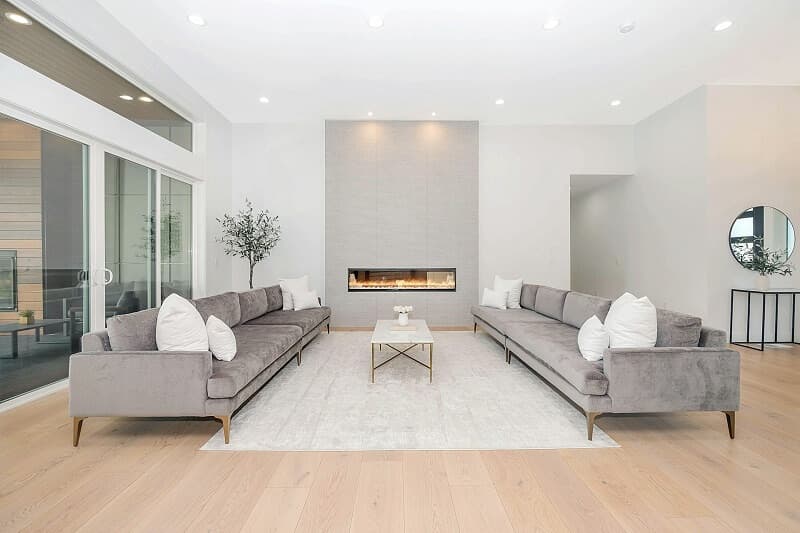
Are LED Lighting Upgrades Worth the Cost?
A practical look at where LED upgrades make the biggest difference and how to think about upfront cost, longevity, and day-to-day usability.
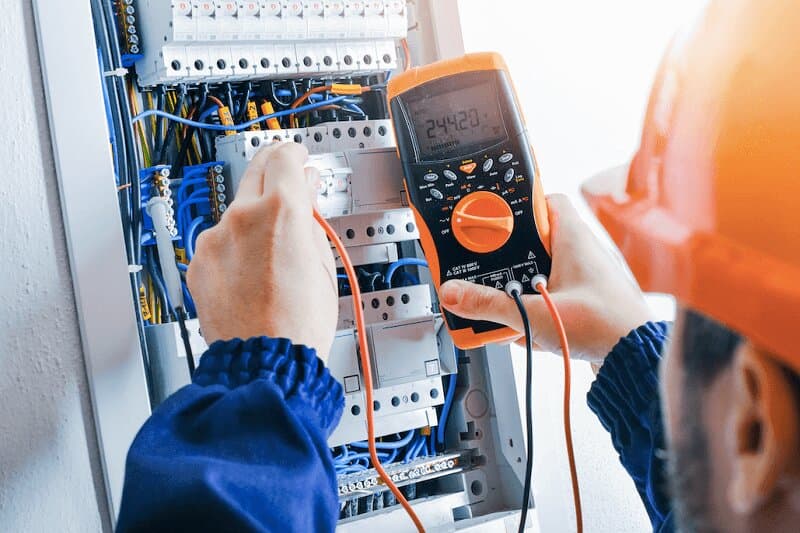
How Much Does an Electrician Cost on the Central Coast?
A practical guide to what affects electrician pricing, when urgency changes the job, and how to think about value rather than just hourly rate.
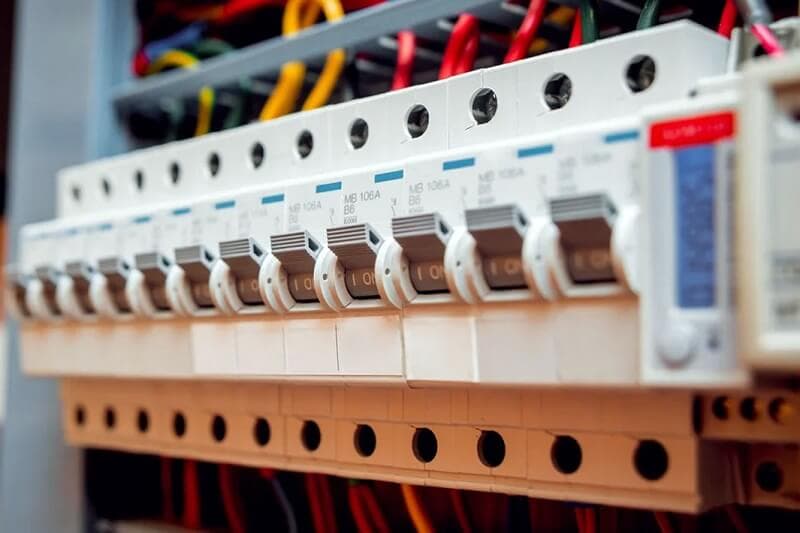
When a Switchboard Upgrade Is Worth Doing
Understand the signs that a switchboard may be outdated, overloaded, or no longer suited to the way the property is used.