
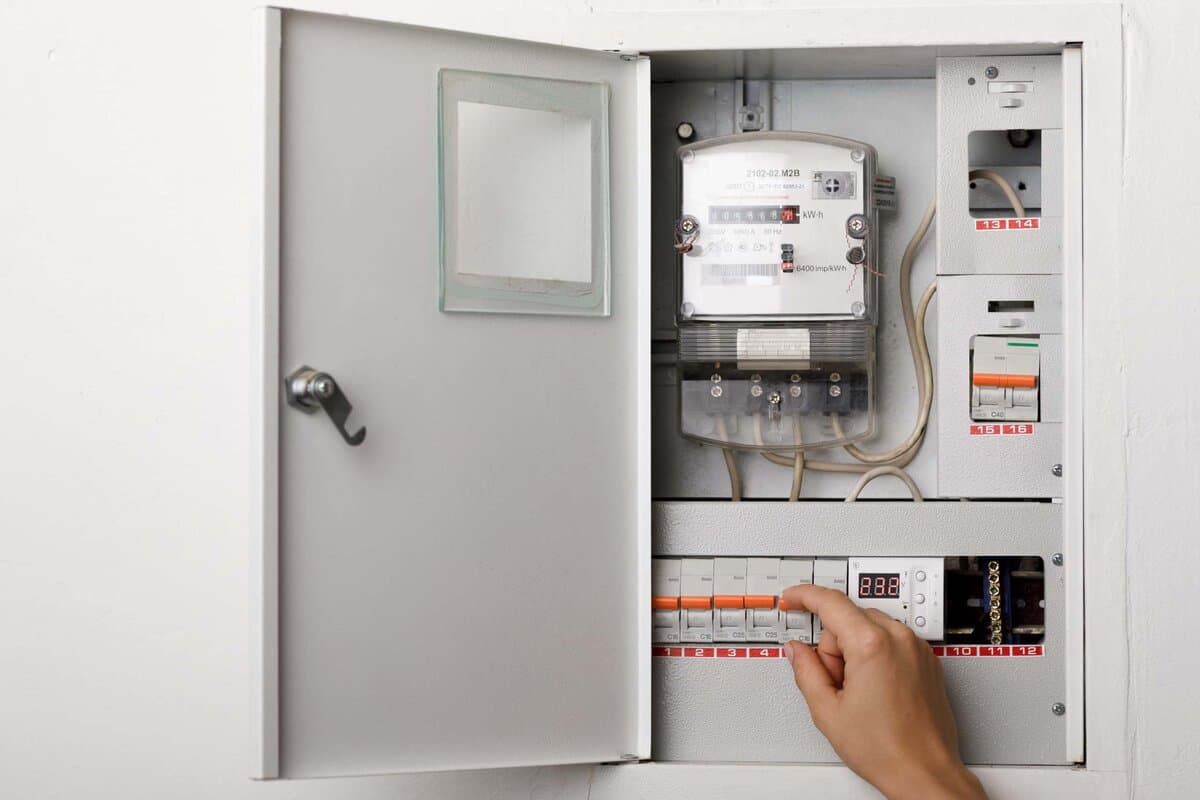
Meter relocation is one of the most common Level 2 electrical jobs on the Central Coast — and one of the most misunderstood. Homeowners planning a renovation, a switchboard upgrade, or an extension often discover mid-project that the meter needs to move, and the process is not as simple as unscrewing a box and putting it somewhere else. The meter connects to the electricity network, which means only an ASP accredited Level 2 electrician can legally do the work, and the coordination with Ausgrid (the network provider on the Central Coast) adds a paperwork step that most homeowners have never dealt with before.
This guide walks through when a meter relocation is needed, what the process actually looks like, how long it takes, what it costs, and how to avoid the delays that catch most people out.
If you already know you need a meter relocated and want to get it organised, contact AB Electrical with the suburb and a short description. AB Electrical is an ASP accredited Level 2 electrician on the Central Coast and handles meter relocations end-to-end — Ausgrid paperwork included.
When a meter relocation is needed
The most common triggers on the Central Coast:
- Renovation — the existing meter position is in the way of new walls, windows, doors, or the reconfigured layout. The builder or architect says "the meter needs to move."
- Switchboard relocation — the switchboard is being moved (for example, from inside the house to the garage), and the meter needs to follow because the consumer mains run between them.
- Extension or granny flat — the property is being extended and the supply entry point no longer makes sense in its current position.
- Compliance or access — the meter is in a location that no longer meets current standards (too high, too low, obstructed, inside a building that is being repurposed).
- Aesthetic or practical — the homeowner wants the meter moved from the front of the house to a less visible side wall or a dedicated meter enclosure.
In all these cases, the meter relocation is Level 2 work because it involves disconnecting from the network supply, moving the metering equipment, and reconnecting — all of which are on the supply side of the electrical system.
What the process looks like
A typical meter relocation on the Central Coast follows this sequence:
1. Site inspection (day 1)
The Level 2 electrician visits the property, looks at the current meter position, the proposed new position, the consumer mains routing, and any constraints (access, cable length, wall material, proximity to the switchboard). This is usually a 30-60 minute visit.
2. Written quote (within 1-2 days)
Based on the inspection, the electrician sends a written quote with: the scope of work, the price, the estimated power-off duration, and the indicative timeline. The price includes the Ausgrid coordination — you should not have to pay Ausgrid separately for a standard residential meter relocation.
3. Ausgrid paperwork (1-2 weeks lead time)
The electrician submits the necessary notifications to Ausgrid. This step is where most delays happen — Ausgrid has a processing lead time that varies depending on the time of year and workload. On the Central Coast in 2026, the typical lead time is 1-2 weeks from submission to confirmed isolation window.
4. Scheduled work day
On the confirmed date, the electrician arrives, isolates the supply (with Ausgrid's authorisation), disconnects the existing meter, routes the consumer mains to the new position, installs the meter equipment at the new location, and reconnects.
Power-off duration: Typically 2-4 hours for a standard residential meter relocation. The isolation window is confirmed with you in advance so you can plan around it.
5. Testing and reconnection
The supply is reconnected, the meter is tested, and the property is live again. A compliance certificate is issued and lodged.
6. Documentation
The electrician provides: the compliance certificate, the Ausgrid lodgement confirmation, and a written summary of what was done. This documentation is important for insurance, future sale, and any builder sign-off.
What it costs on the Central Coast
Realistic Central Coast pricing for meter relocation in 2026:
| Scenario | Typical range |
|---|---|
| Standard meter relocation (same wall or adjacent wall) | $800 – $1,200 |
| Meter relocation with extended consumer mains run | $1,200 – $1,800 |
| Meter relocation combined with switchboard upgrade | $2,500 – $4,500 (combined) |
| Meter relocation from inside to outside the property | $1,000 – $1,600 |
All prices include the Ausgrid coordination, paperwork, disconnection, reconnection, compliance certificate, and GST. The main factors that affect price:
- Distance of the move — a short move on the same wall is cheaper than a long run to the other side of the house.
- Consumer mains routing — if the consumer mains need to be extended or rerouted, the cable and trenching add cost.
- Wall material — brick, weatherboard, and rendered walls have different mounting and cable-entry requirements.
- Whether the switchboard also needs to move — if the switchboard stays in its current position but the meter moves, the consumer mains between them need to be rerouted. If both move together, the combined job is often cheaper than doing them separately.
- Ausgrid requirements — most standard residential meter relocations are straightforward, but some situations (multi-meter installations, CT metering, three-phase supply) require additional Ausgrid-specific work.
Common mistakes that cause delays
A few patterns that come up regularly on Central Coast meter relocations:
- Not checking meter relocation early enough in the renovation. The meter position should be confirmed in the first week of the renovation plan, not the third month. Ausgrid lead time means a meter relocation that wasn't planned for can hold up the entire project by 2-3 weeks.
- Assuming a regular electrician can do it. A standard electrical contractor cannot legally disconnect or reconnect the meter. If you have already engaged a regular electrician for the switchboard work, they will need to bring in a Level 2 electrician for the meter relocation — which is another coordination step. Better to use one electrician who holds both accreditations (like AB Electrical) so the whole job runs through one contact.
- Not mentioning it to the builder. The builder needs to know that a meter relocation is happening because it affects the build schedule — the isolation window needs to be coordinated with the other trades on site. AB Electrical regularly works alongside builders on Central Coast renovations and can slot the meter relocation into the build sequence.
- Trying to do the switchboard and meter as separate jobs at separate times. If both need to happen, doing them together saves a second isolation window, a second Ausgrid notification, and a second round of compliance paperwork. Combined jobs are usually 15-20% cheaper than the same work done separately.
What to do next
If you have a Central Coast renovation, extension, or compliance situation that requires a meter relocation, the single best thing you can do is get the Level 2 electrician involved early — before the builder locks the renovation schedule. Contact AB Electrical with the suburb, the proposed new meter position, and the renovation timeline, and we will reply with a written scope, price, and indicative Ausgrid timeline.
For more on what Level 2 work covers, see the ASP accredited Level 2 electrician page. For switchboard upgrade pricing, see the switchboard upgrade cost guide.
Related Articles
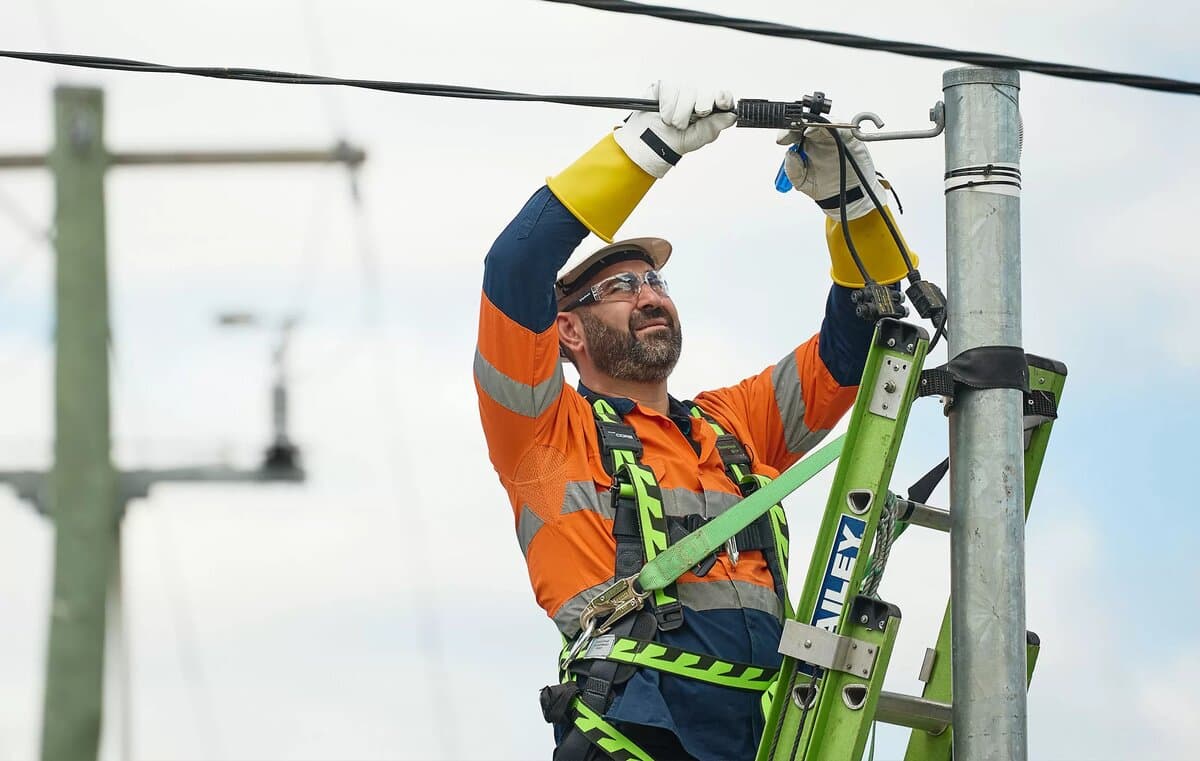
What Is a Level 2 Electrician and When Do You Need One?
A clear explanation of what Level 2 ASP accreditation means, when you need a Level 2 electrician instead of a standard one, what the work involves, how the Ausgrid coordination works, and what it typically costs on the Central Coast.
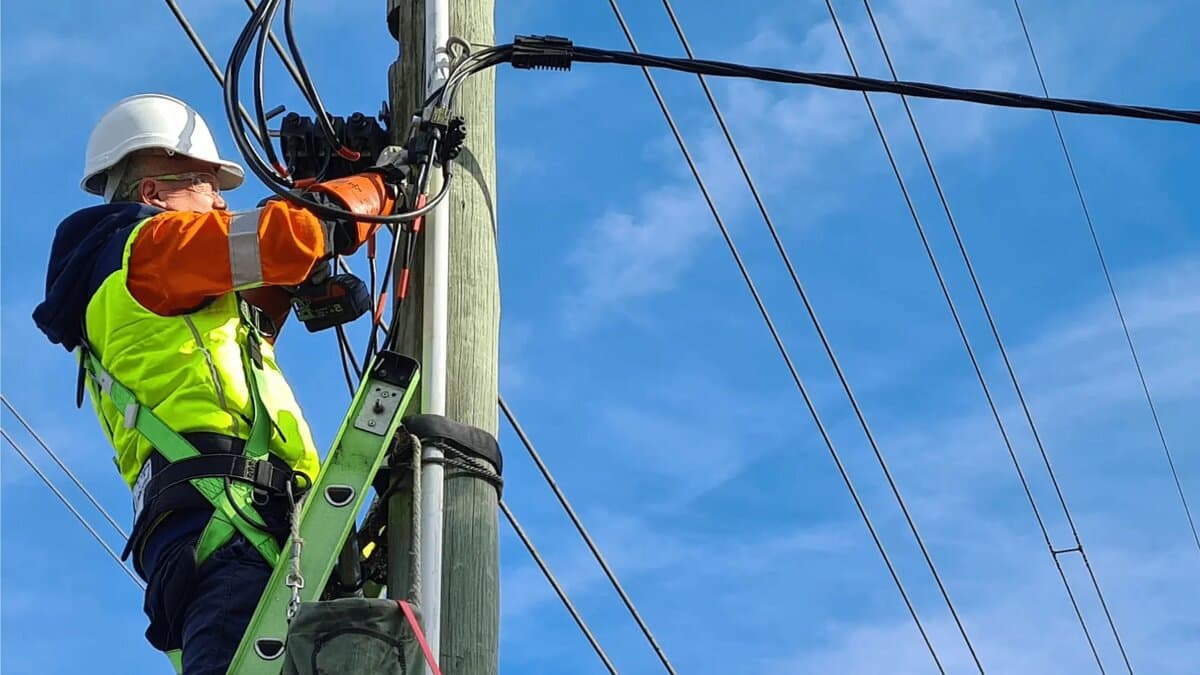
Consumer Mains Upgrade: Do You Need One and What Does It Cost?
A guide to consumer mains upgrades on the Central Coast — what consumer mains are, when an upgrade is needed (solar, EV, renovation, defect notice), overhead vs underground, how long the power is off, and realistic pricing.
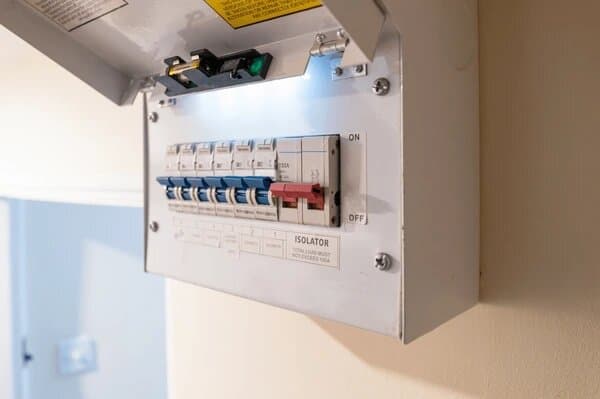
How Much Does a Switchboard Upgrade Cost on the Central Coast?
Typical Central Coast switchboard upgrade ranges, what drives the price up or down, and how to think about the decision without being blindsided by the quote.