
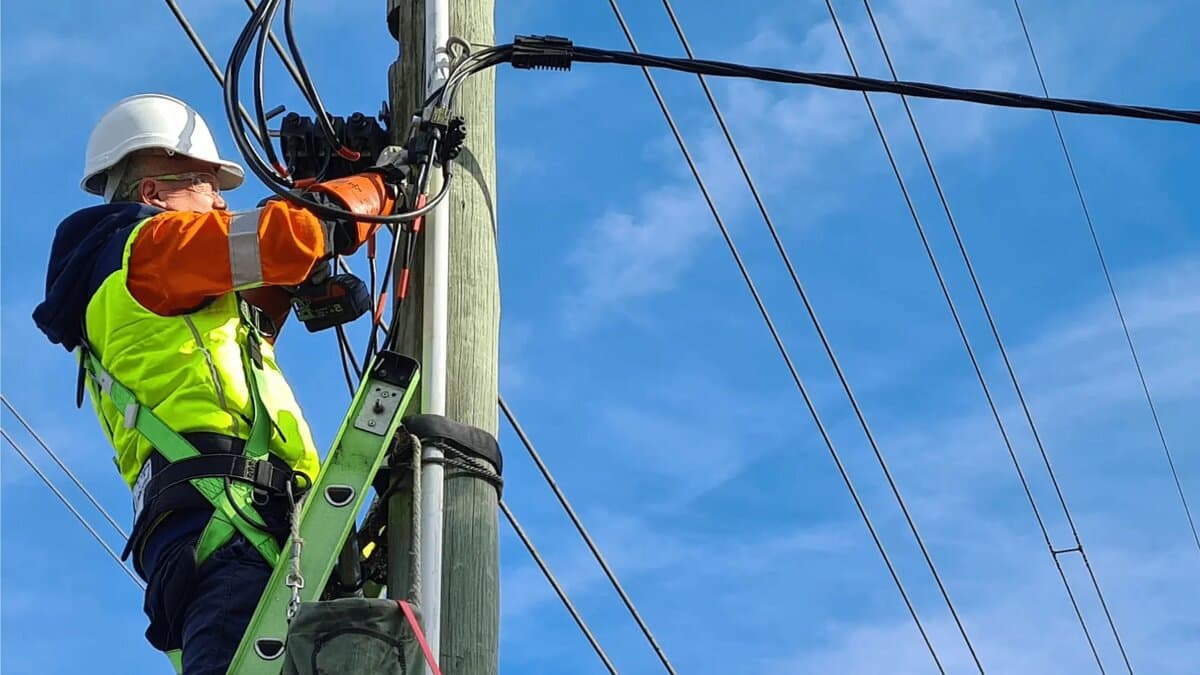
Consumer mains is the cable that connects your property to the electricity network — it runs from the street (or the pole) to your meter box. Most Central Coast homeowners never think about it until an electrician tells them the existing cable is undersized, damaged, or not rated for the load the property now needs. At that point, the question becomes: do I actually need a consumer mains upgrade, what does it involve, how long will the power be off, and how much will it cost?
This guide answers all four questions clearly. If you already know you need a consumer mains upgrade and want to get it organised, the ASP accredited Level 2 electrician at AB Electrical handles consumer mains work end-to-end — Ausgrid paperwork included.
What consumer mains actually is
The electrical system serving a Central Coast property has three parts:
- Network supply — the power lines, poles, and cables that Ausgrid owns and maintains. This is on the street side.
- Consumer mains — the cable that runs from the network connection point to the meter on your property. This is on YOUR property, even though it connects to the network. It is your responsibility, not Ausgrid's.
- Internal wiring — everything from the meter and switchboard inward: circuits, powerpoints, lights, appliances. A standard electrician handles this.
Consumer mains sits in the middle — it's on your property but it connects to the network, which is why only an ASP accredited Level 2 electrician can work on it. A standard electrical contractor can upgrade your switchboard and add circuits, but they cannot touch the consumer mains cable.
When a consumer mains upgrade is needed
The most common triggers on the Central Coast:
The existing cable is undersized for modern load
A property built in the 1970s might have 16mm or 25mm consumer mains that were designed for a few lights, a stove, and a hot water system. Today the same property might be running multiple air conditioners, a pool pump, an EV charger, a home office, a dishwasher, a dryer, and dozens of devices on charge. If the consumer mains are too small for the total load, the fuse at the pole or the main switch at the meter will trip — and no amount of switchboard upgrading will fix it because the bottleneck is in the cable itself.
Adding solar panels
A solar system that exports power back to the grid needs the consumer mains to carry current in both directions. If the existing cable is undersized, the solar installer will flag it and a Level 2 electrician will need to upgrade the consumer mains before the solar system can be commissioned.
Adding an EV charger
A dedicated EV charging circuit draws significant load — typically 7kW for a single-phase charger or 22kW for three-phase. If the existing consumer mains cannot support the additional draw on top of the household's existing consumption, a supply upgrade is needed.
Switchboard upgrade that reveals undersized supply
This is the most common discovery path. A homeowner books a switchboard upgrade (replace old ceramic fuses with modern circuit breakers and RCDs), and the electrician opens the meter box and finds that the consumer mains are undersized, damaged, or non-compliant. The switchboard upgrade cannot safely proceed until the consumer mains are upgraded — because the new switchboard will allow more load than the old cable can carry.
Defect notice from Ausgrid
Ausgrid periodically inspects supply-side equipment and issues defect notices for consumer mains that are damaged, deteriorated, or non-compliant. A defect notice requires rectification by a Level 2 accredited electrician within a specified timeframe.
Property renovation or extension
A major renovation that adds a granny flat, a second storey, or a significant new load centre may require a supply upgrade to handle the expanded property's total electrical demand.
Overhead vs underground — what's the difference?
Consumer mains come in two forms:
- Overhead — the cable runs from a pole (either a street pole or a private pole on your property) through the air to the service point on your building, then down to the meter. Most older Central Coast homes have overhead consumer mains.
- Underground — the cable runs through a trench from the street connection to the meter on your property. Newer homes and some converted older homes have underground consumer mains.
An overhead upgrade is simpler and cheaper because there is no trenching — the old cable is disconnected and the new one is run along the same path. Typical cost: $1,200-$2,800.
An underground upgrade involves trenching (either through the yard or under a driveway), laying conduit, pulling the cable, and backfilling. The trench needs to be at the correct depth and the conduit needs to be rated for direct burial. Typical cost: $2,500-$5,500.
In some cases, a homeowner will choose to convert from overhead to underground at the same time as upgrading. This removes the overhead cable and the private pole (if applicable), which is an aesthetic improvement and eliminates the ongoing maintenance cost of the pole — but it adds the trenching cost.
How long the power is off
For a consumer mains upgrade:
- Overhead upgrade: typically 4-6 hours of isolation
- Underground upgrade: typically 4-8 hours, depending on trenching time
- Combined with switchboard upgrade: add 1-2 hours for the switchboard work
The isolation window is planned in advance and confirmed with you. AB Electrical co-ordinates the isolation with Ausgrid so the power-off time is minimised and scheduled around your availability.
What the process looks like
- Site inspection — confirm the existing consumer mains (size, type, condition), the new load requirements, and whether the upgrade is overhead or underground
- Written quote — scope, price, and indicative timeline, including Ausgrid coordination
- Ausgrid paperwork — notifications submitted, isolation window confirmed (1-2 weeks lead time)
- Scheduled work day — supply isolated, old consumer mains removed, new cable installed, reconnected
- Testing and compliance — full test, compliance certificate issued and lodged with Ausgrid
- Supply back on — the property is live on the new, correctly-sized consumer mains
What it costs on the Central Coast
Realistic Central Coast pricing for consumer mains upgrades in 2026:
| Scenario | Typical range |
|---|---|
| Overhead consumer mains upgrade (typical home) | $1,200 – $2,800 |
| Underground consumer mains upgrade | $2,500 – $5,500 |
| Consumer mains upgrade combined with switchboard | $3,000 – $6,500 (combined) |
| Supply upgrade for solar or EV charger (if consumer mains are the bottleneck) | $800 – $2,200 |
| Overhead to underground conversion | $3,500 – $7,000 |
All prices include Ausgrid coordination, paperwork, disconnection, reconnection, compliance certificate, and GST.
What to do next
If your electrician has told you the consumer mains need upgrading — or if you suspect the supply is undersized because the main switch keeps tripping — describe the situation to AB Electrical and we will confirm whether a consumer mains upgrade is needed, what the scope looks like, and what it will cost. Contact AB Electrical with the suburb, the property age, and the reason for the upgrade.
For more on what Level 2 work covers, see the ASP accredited Level 2 electrician page.
Related Articles
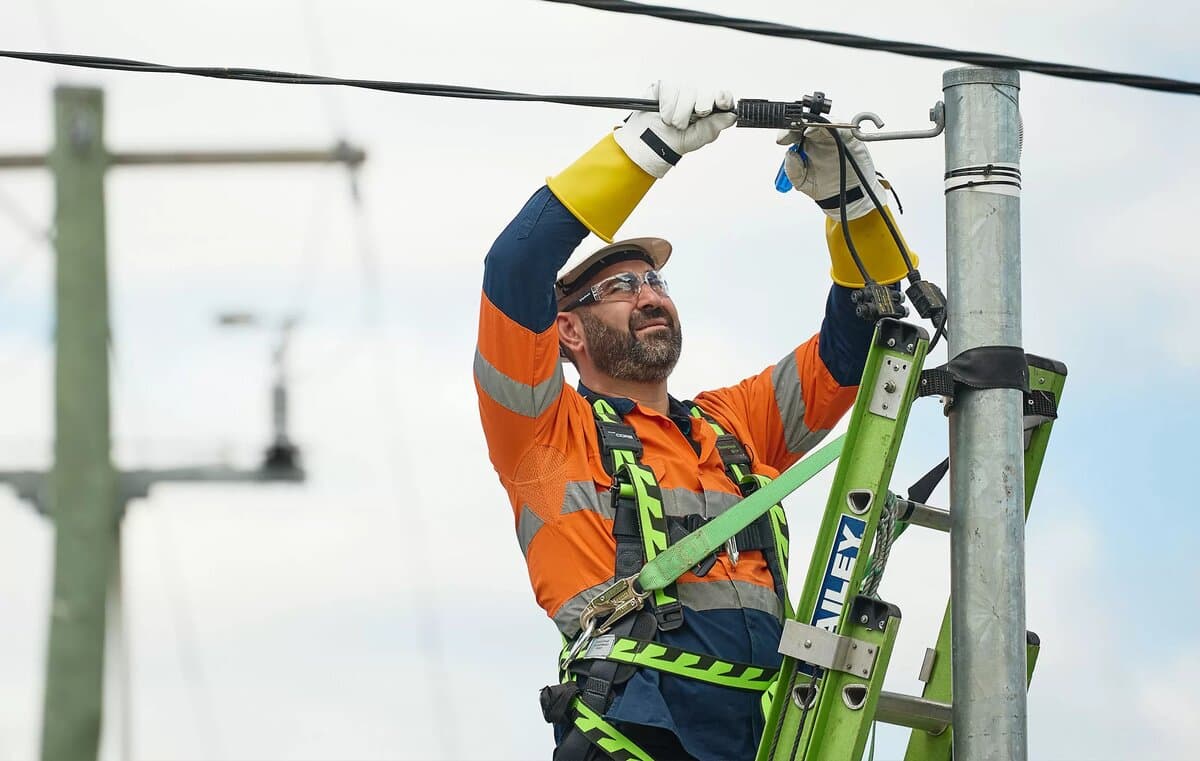
What Is a Level 2 Electrician and When Do You Need One?
A clear explanation of what Level 2 ASP accreditation means, when you need a Level 2 electrician instead of a standard one, what the work involves, how the Ausgrid coordination works, and what it typically costs on the Central Coast.
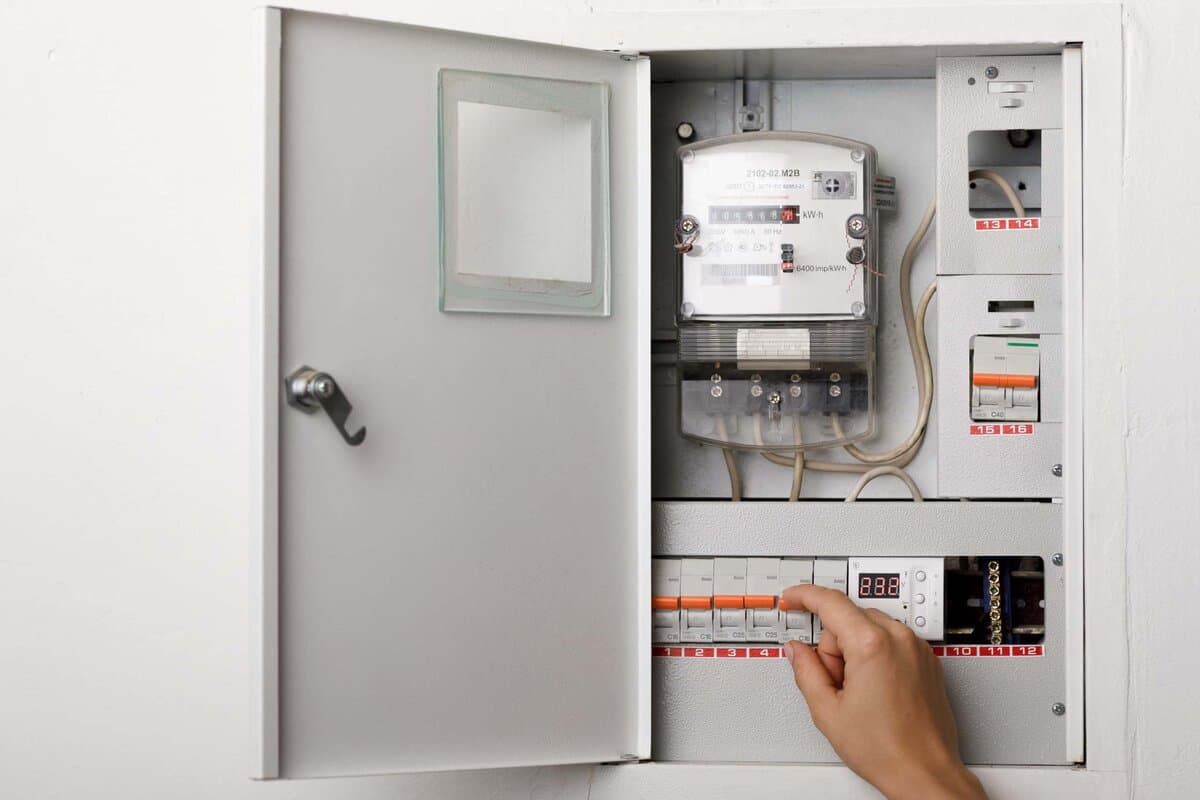
Meter Relocation for a Renovation — Cost, Timeline, and What to Expect
A practical guide to meter relocation on the Central Coast — when it is needed, what the Ausgrid coordination involves, how long the power is off, what it costs, and how to avoid the delays that catch most homeowners mid-renovation.
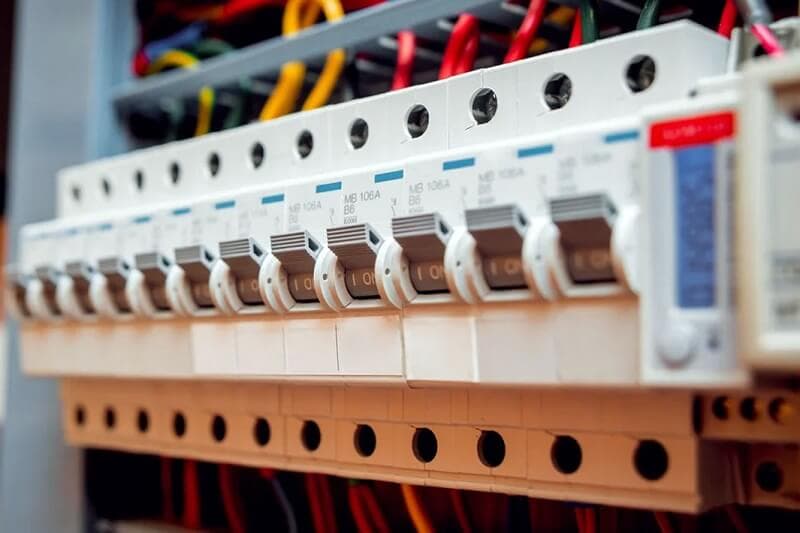
When a Switchboard Upgrade Is Worth Doing
Understand the signs that a switchboard may be outdated, overloaded, or no longer suited to the way the property is used.