
After-hours commercial electrical work has a reputation that doesn't quite match the reality. Most Central Coast business owners assume that scheduling electrical work outside trading hours costs significantly more, takes longer to organise, and is reserved for emergencies — which is why a lot of routine maintenance and upgrade work ends up happening during trading hours, costing the business in lost revenue, customer disruption, and stress. The truth is that planned after-hours electrical work is one of the highest-leverage things a Central Coast business can organise, and it almost always costs less in real terms than the alternative. This guide explains why, when it makes sense, what it actually costs, and how to set it up cleanly.
If you need a Central Coast commercial electrician who can do after-hours work for your trading site, AB Electrical handles after-hours, evening, weekend, and pre-trading work as part of regular commercial scope — not as an emergency exception.
Why "after hours" means different things in different industries
The first thing to understand is that "after hours" is a category, not a single time:
- Cafe and breakfast venues: after hours means after 2-3pm or before 5am
- Retail shops: after hours means after 5-6pm or before 9am
- Hospitality kitchens: after hours means after closing (often 11pm-12am) or before lunch service
- Offices: after hours means evenings, weekends, or before 7am
- Strata commercial common areas: after hours means evenings or weekends, depending on the residential mix
- Small industrial / warehouses: after hours means weekends, public holidays, or late evening shutdowns
A good commercial electrician understands these category differences and quotes accordingly. A great one tells you which window will actually be cheapest for your specific site type — because the cheapest window for a cafe (5am-7am pre-trading) is different from the cheapest window for an office (Saturday morning).
Why after-hours work usually costs less in real terms
The instinct most business owners have is that after-hours work costs more than business-hours work. The hourly rate is sometimes higher, yes — but the total cost to the business is almost always lower. Here's why:
1. No lost trading revenue
A cafe that closes for half a day so the electrician can rewire a kitchen circuit loses 4-6 hours of trading. For a typical Central Coast cafe, that's $800-$2,000 in lost revenue, plus stock that can't be used, plus staff that have to be paid or sent home. A weekend morning visit avoids all of it. Even if the after-hours rate is 20% higher than business hours, the trading revenue saved is usually 5-10x the cost difference.
2. No customer disruption
Customers don't see the work being done. They walk in on Monday morning and the lights are brighter, the powerpoints are where they need to be, the switchboard is clean and labelled. There is no "we're closed for maintenance" sign. There is no awkward conversation with the regular who came in for their morning coffee. There is no Google review complaining about the disruption.
3. No stop-start work
When electricians work during trading hours, they have to constantly stop and start to accommodate customers, deliveries, and staff. A 4-hour job during trading hours can take 6 hours of elapsed time because of the interruptions. The same job done after trading hours runs continuously and finishes faster. The labour cost is often lower because the elapsed time is shorter.
4. No isolation gymnastics
Doing electrical work in a live trading environment usually requires the electrician to isolate one circuit at a time, work around live areas, and come back multiple times to do parts of the job that can't be done with the site occupied. After hours, the electrician can isolate the whole site, do the work in the most efficient sequence, and finish in one visit.
5. No staff workflow disruption
Staff who have to work around an electrician on the floor are slower, less productive, and more stressed. The cost of that productivity loss is rarely calculated but it's real.
When you add up the four hidden costs above — lost revenue, customer disruption, stop-start labour, isolation gymnastics — after-hours work usually wins on total cost by a comfortable margin even when the hourly rate is higher.
When after-hours work is the right call
Some commercial electrical jobs almost always justify after-hours scheduling:
- Switchboard upgrades — require isolation of the whole site, so doing them during trading hours means closing
- Lighting refreshes — need access to ceilings and fittings the customer-facing area uses
- New circuit installs — often need cabling runs across the site, easier to do in an empty space
- Compliance testing that requires power-down — emergency lighting duration tests, switchboard audits
- Renovations and fit-outs — best fit into a build schedule with no trading constraints
- Anything that produces dust, noise, or visual clutter — grinding concrete, chasing walls, cable runs
Some jobs are fine to do during trading hours:
- Single-fitting replacements — one powerpoint, one light, one fan
- Quick repairs — a 30-minute job that doesn't require isolation
- Low-impact testing — test-and-tag for portable equipment, RCD testing on a single circuit
- Diagnostic visits — checking why something isn't working, before any work is done
The right framing is: "Will this work disrupt trading?" If yes, it's probably worth the after-hours premium. If no, business hours are fine.
What after-hours work actually costs on the Central Coast
Realistic Central Coast pricing for after-hours commercial electrical work in 2026:
- Standard business-hours callout (first hour): $180–$280
- After-hours callout (evenings, Saturday morning, pre-trading): $260–$420
- Late-night or Sunday callout: $320–$480
- Public holiday callout: $380–$520
- Scheduled after-hours work (booked in advance, longer than callout): usually quoted as a fixed price, not hourly — and often cheaper per hour than business-hours work because the job runs continuously without interruption
The key insight is that scheduled after-hours work, booked in advance with a fixed price, is materially different from an emergency after-hours callout. A planned after-hours visit that books a 3-hour window and gets the whole job done in one go is often cheaper per total cost than the same job done across multiple business-hours visits.
How to set up after-hours work cleanly
The approach that consistently works best for Central Coast commercial customers:
1. Identify the work that should be after-hours
Make a list of everything you've been putting off because you don't want to close. Switchboard upgrade. New lighting. Powerpoint additions. Compliance testing. Cable tidy-ups. Things that have been on the maintenance list for months because there's no good time to do them.
2. Get a written proposal that includes the after-hours window
Ask the electrician to quote the work specifically as an after-hours job with a fixed price for the agreed window. Don't ask for "after hours rates" generically — ask for "a quote for X work to be done on Y date in Z window."
3. Pick a window that suits your site type
- Cafe: Sunday afternoon or Monday morning before opening
- Retail: Saturday evening or Sunday morning
- Hospitality: late night Sunday (closed Monday)
- Office: Friday evening or Saturday morning
- Strata commercial: evening weekday, depending on residential noise constraints
4. Confirm what's included
Make sure the quote covers: travel, labour, materials, isolation procedures, testing, cleanup, certificates, and the after-hours premium itself. No surprises on the invoice.
5. Plan the access
Most after-hours commercial visits need the electrician to have access to the site without staff present. Either give them a key, arrange for someone to let them in, or use an alarm code. Confirm this in writing as part of the booking — it's the most common point of failure on after-hours visits.
6. Keep the contact open
Have a phone number that the electrician can call if something unexpected comes up during the visit (a fault they didn't anticipate, equipment that needs to be turned off, a question about access). Most after-hours visits don't need this, but having it available avoids 99% of after-hours problems.
Common myths about after-hours commercial work
A few patterns worth correcting:
"After hours always costs double." No. After-hours rates are typically 20-50% higher than business-hours rates, not double. And the total cost (factoring in the time savings and lost-trading avoidance) is often lower.
"You need a week's notice." Most after-hours visits can be booked with 2-3 days' notice for routine work. Emergency after-hours response is usually within 60-90 minutes. The week's-notice myth comes from trying to book after-hours with electricians who don't normally do after-hours work.
"It's only worth it for emergencies." Wrong. The biggest savings come from scheduled after-hours work, not emergency callouts. Emergency after-hours is the most expensive way to do after-hours.
"My electrician doesn't do after hours." Plenty of Central Coast electricians don't, but the ones who do (AB Electrical included) treat it as normal scope, not an exception.
"It's too disruptive to set up." Most after-hours visits are cleaner and quicker than business-hours visits. The "disruption" is actually less, not more, once the job is set up correctly.
How AB Electrical handles after-hours commercial work
After-hours, evening, weekend, and pre-trading work is part of regular commercial scope at AB Electrical — not a special exception. The standard pattern for setting it up:
- Initial conversation about the work and the trading constraints
- Walkthrough or photos to confirm scope
- Written proposal with fixed price, the after-hours window, and what's included
- Confirmed booking with access details and contact
- Visit completed in the agreed window with the site secured at the end
- Certificate of compliance supplied where the work needs it
- Invoice issued after the work, with 30-day account terms available for ongoing customers
The whole point is to make after-hours work feel like a normal scheduled job, not a stressful emergency.
What to do next
If you have commercial electrical work that you've been putting off because you don't want to close — switchboard upgrade, lighting refresh, new circuits, compliance testing, fit-out finish — get a written after-hours proposal. Contact AB Electrical with the site address, the type of premises, the work you need, and your trading hours, and we will reply with a fixed-price proposal for the right after-hours window.
For more on commercial electrical work, see the Central Coast commercial electrician page.
Related Articles

How to Choose a Commercial Electrician for a Cafe, Retail, or Office Fit-Out
A practical guide for Central Coast business owners and project managers planning a fit-out — what to ask a commercial electrician before hiring, what to look for in a fit-out quote, what compliance certificates should be supplied, and the red flags that lead to mid-build problems.
Test and Tag for Central Coast Businesses — What Is Required and How Often
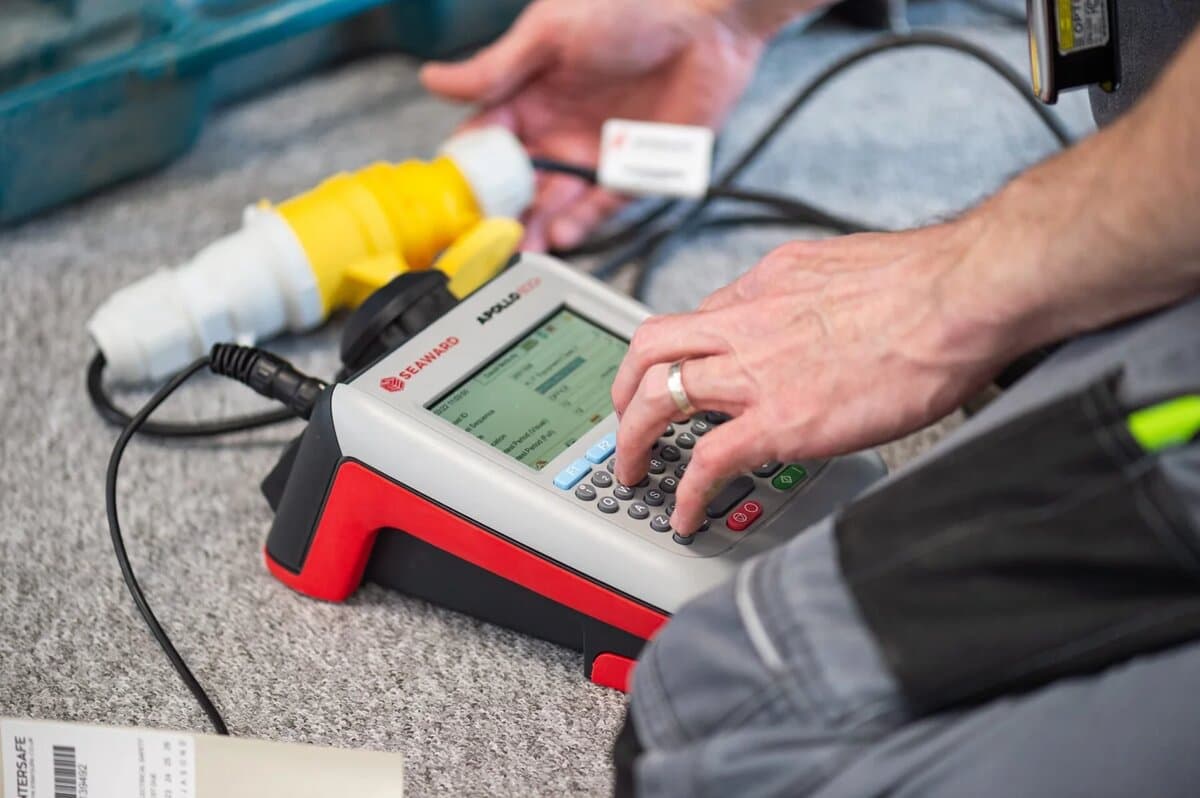
A practical guide to test-and-tag compliance for Central Coast businesses — what AS/NZS 3760 requires, how often each type of premises needs testing, what a typical visit covers, and how to set up a recurring program with clear records.
How Much Does an Electrician Cost on the Central Coast?
A practical guide to what affects electrician pricing, when urgency changes the job, and how to think about value rather than just hourly rate.